REDOUBT
John Skoog in collaboration with Laslo Chenchanna, Julian Ernst, Gabriel Karlsson, Erlend Rødsten, Søren Schwarzberg, Ernst Skoog
Malmö, 14.2 2026 – 17.5 2026
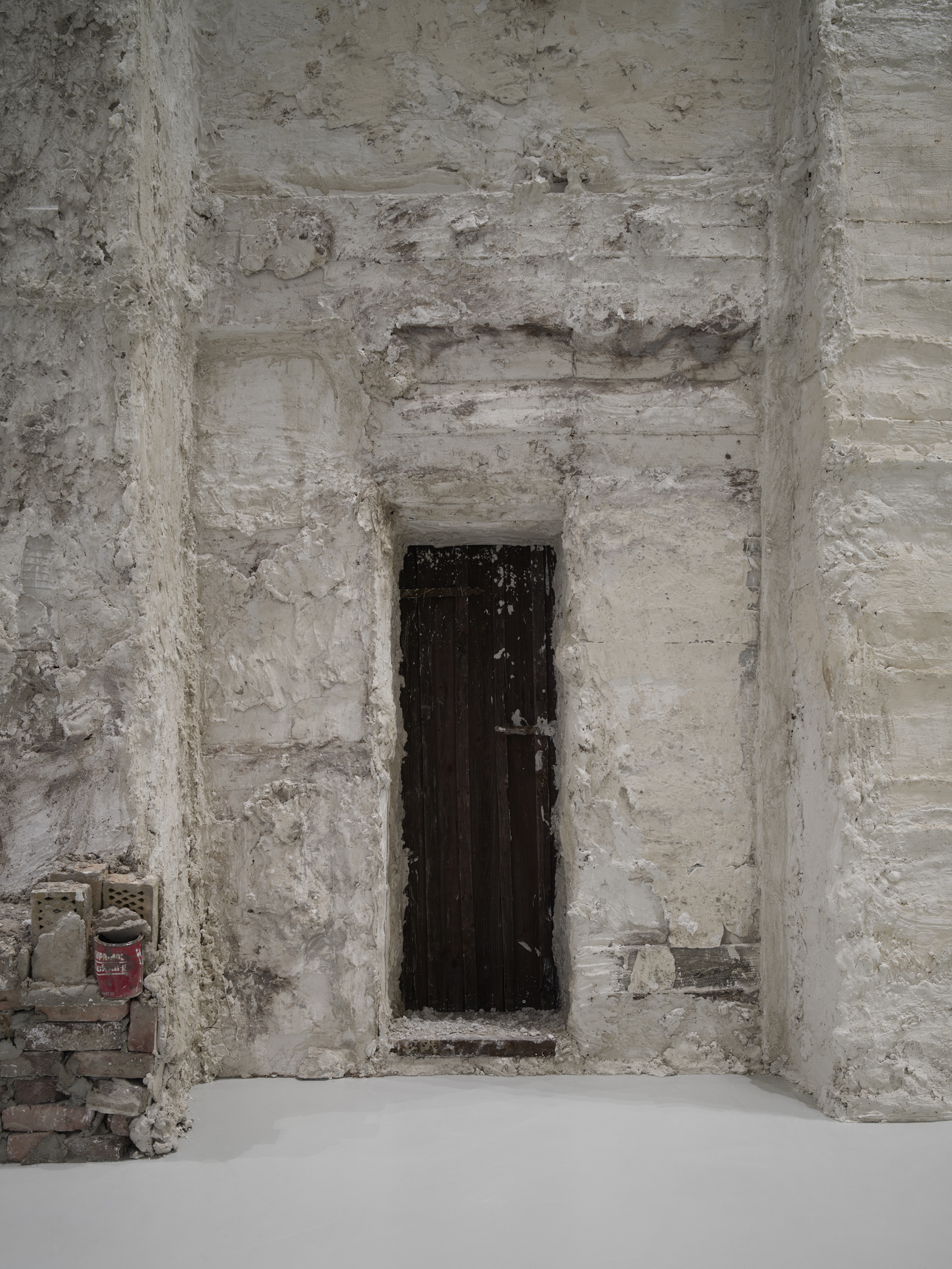
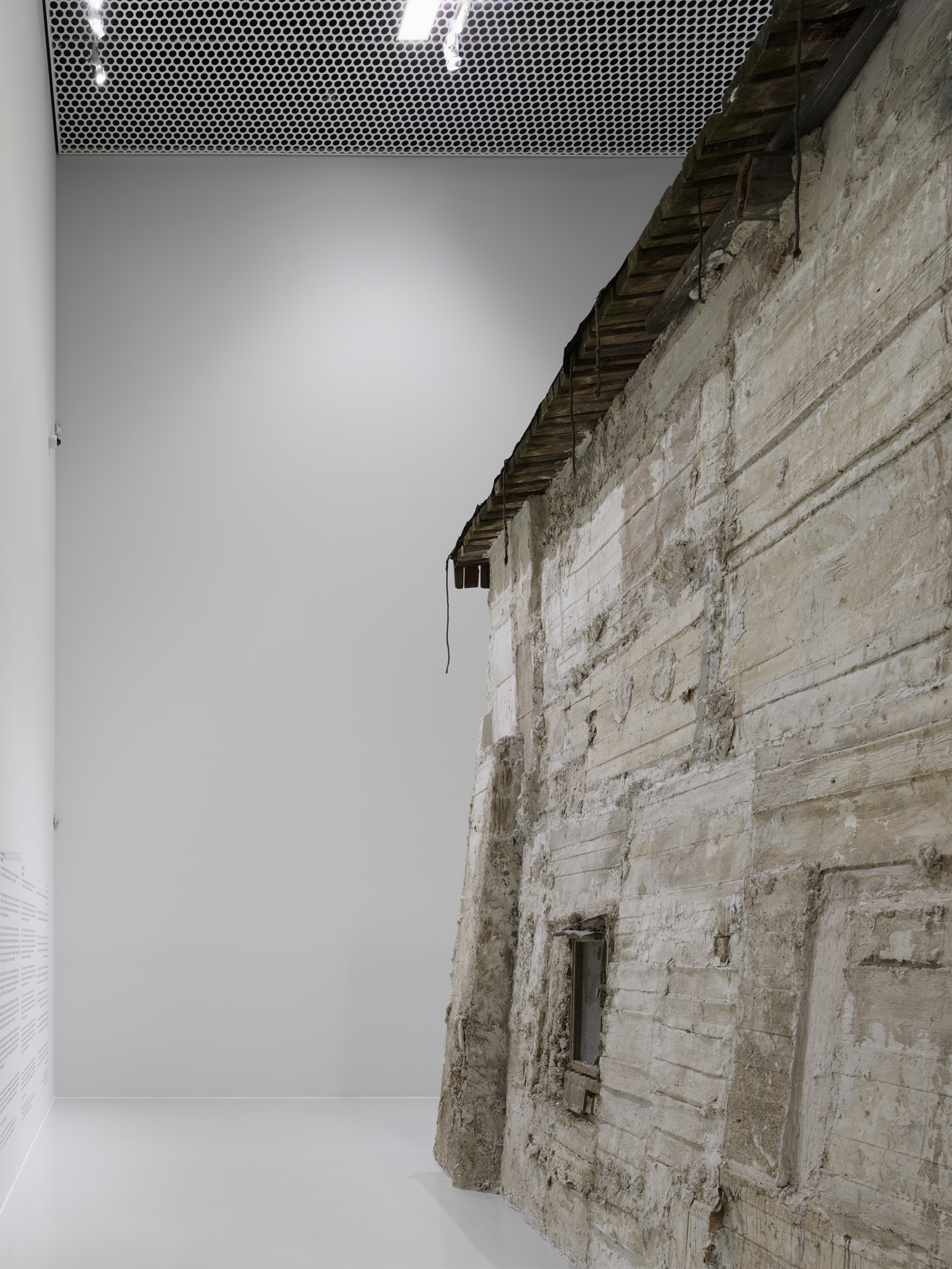
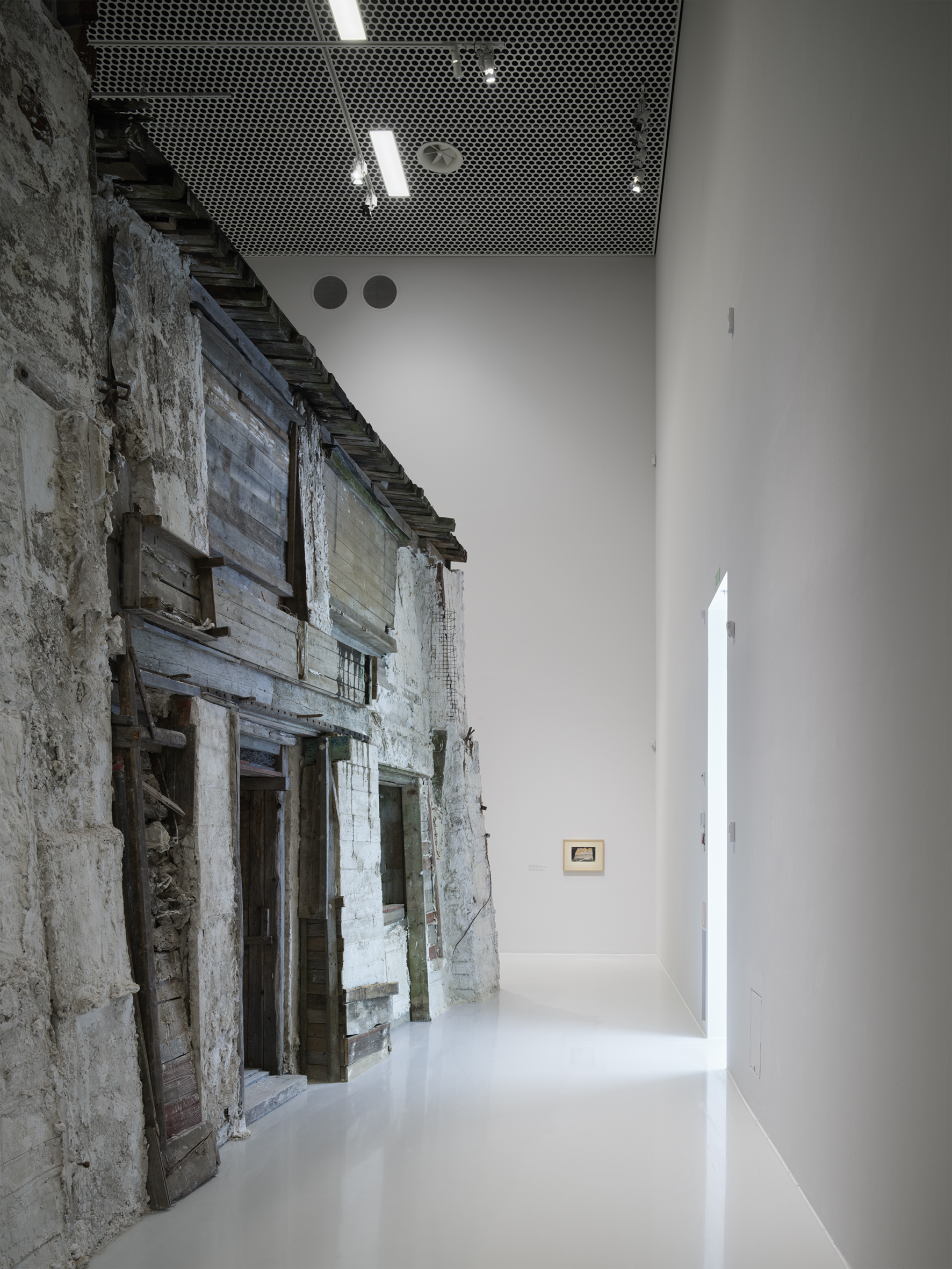
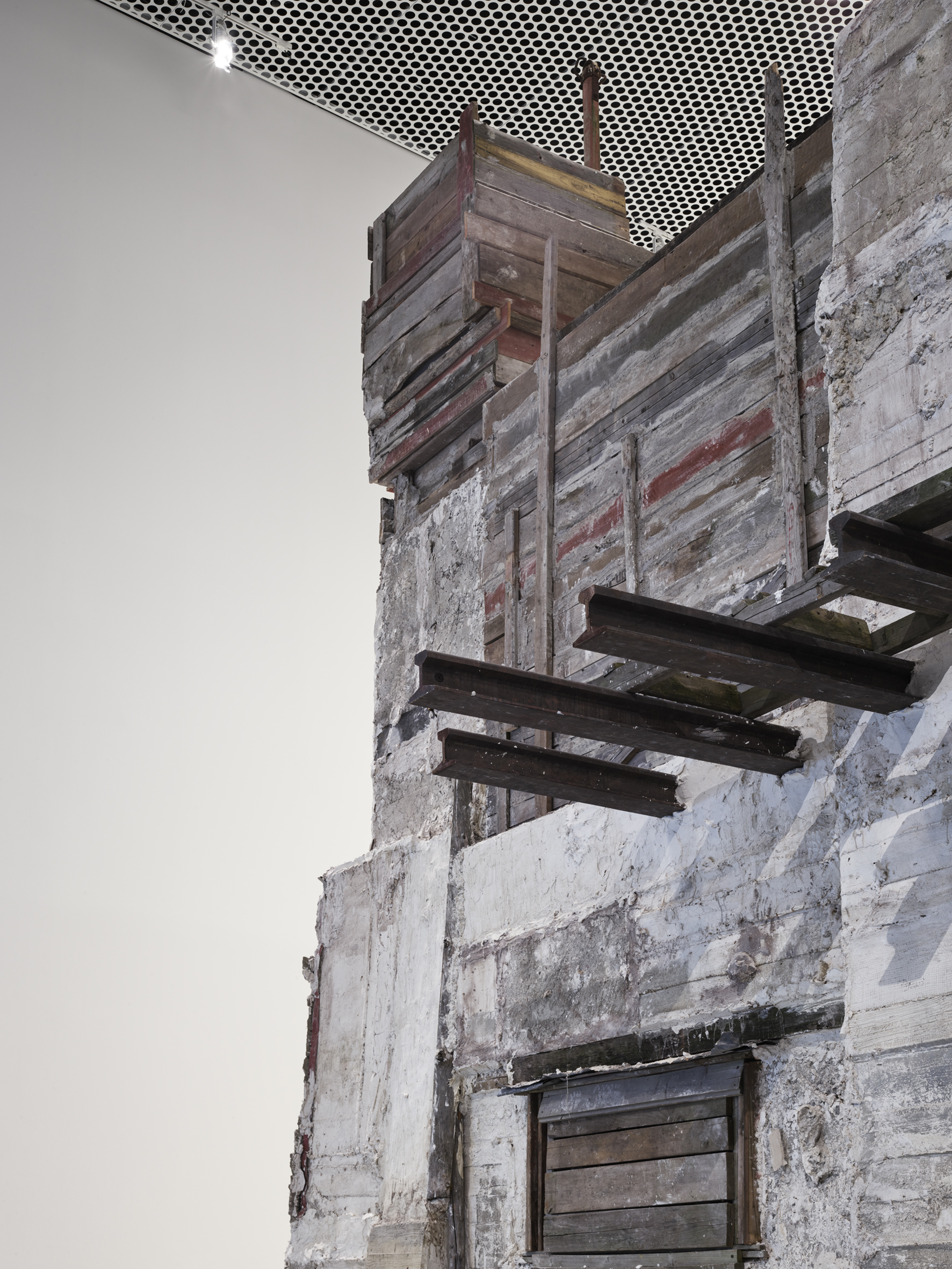
Armoured bunker or a simple hut? A protective redoubt for a Scanian village – or a brutalist sculpture? In “REDOUBT”, visitors move through the borderlands of twilight: between fantasy and reality, between play and gravity. Here are austerity and petrified paranoia – but also the deepest care.
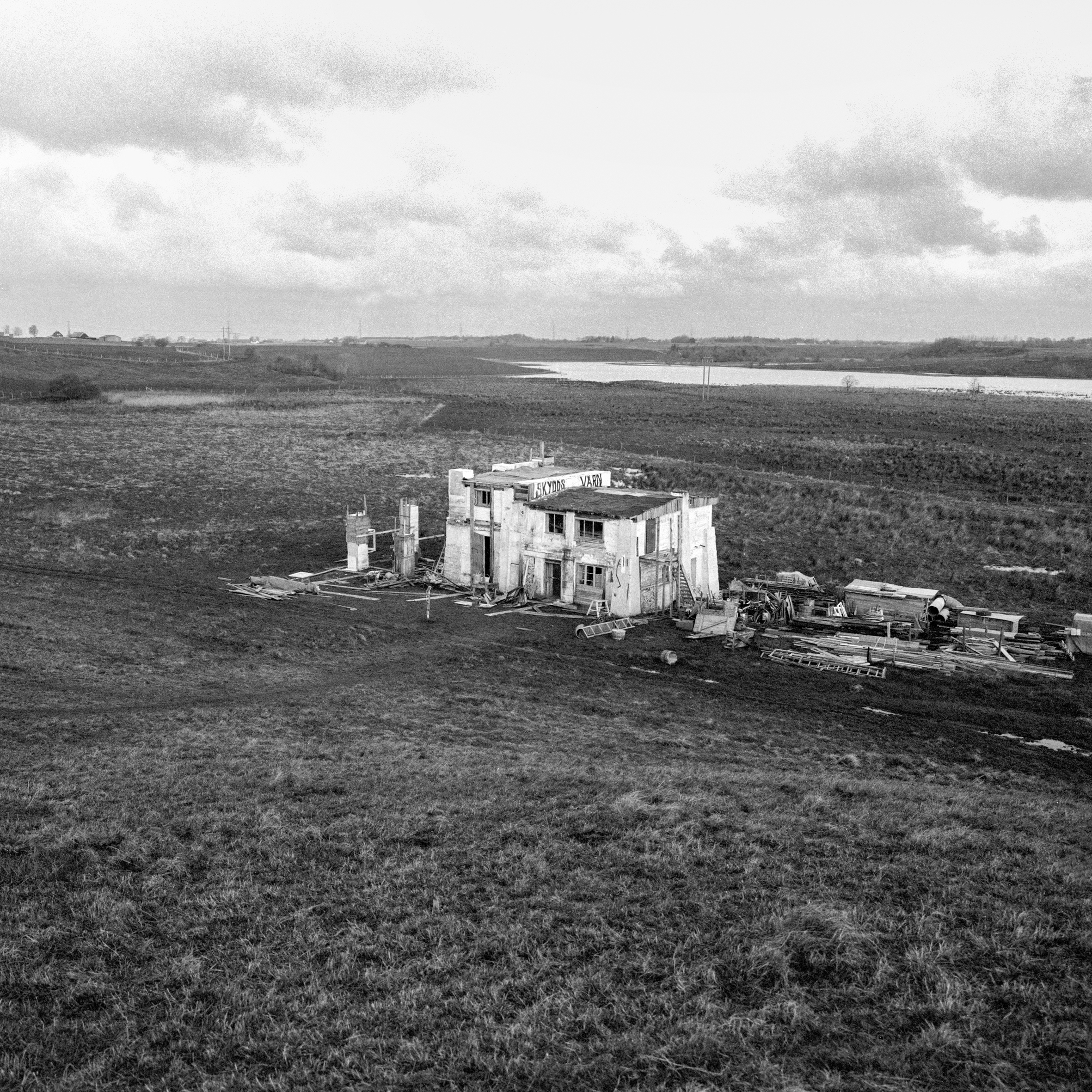
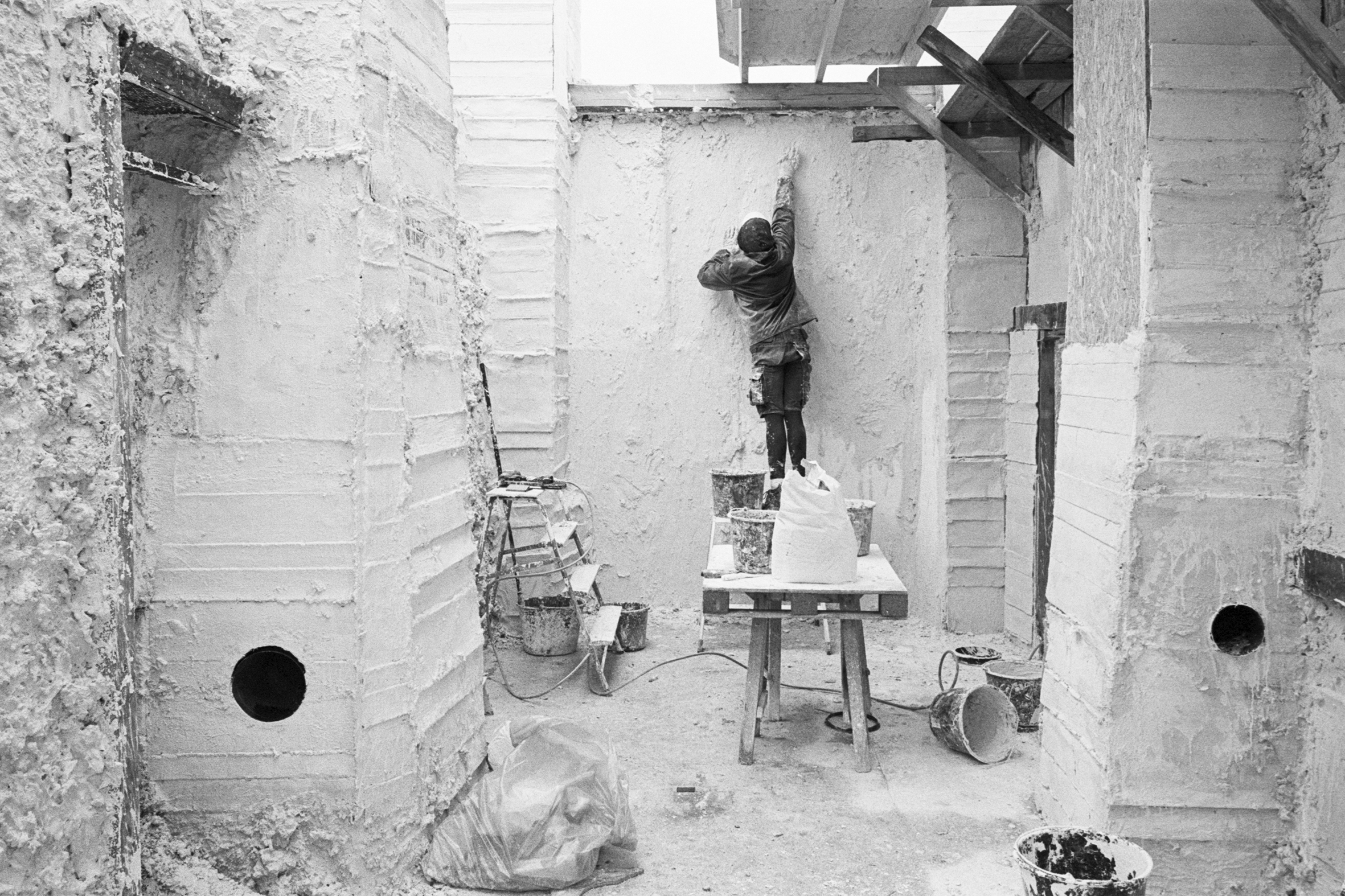
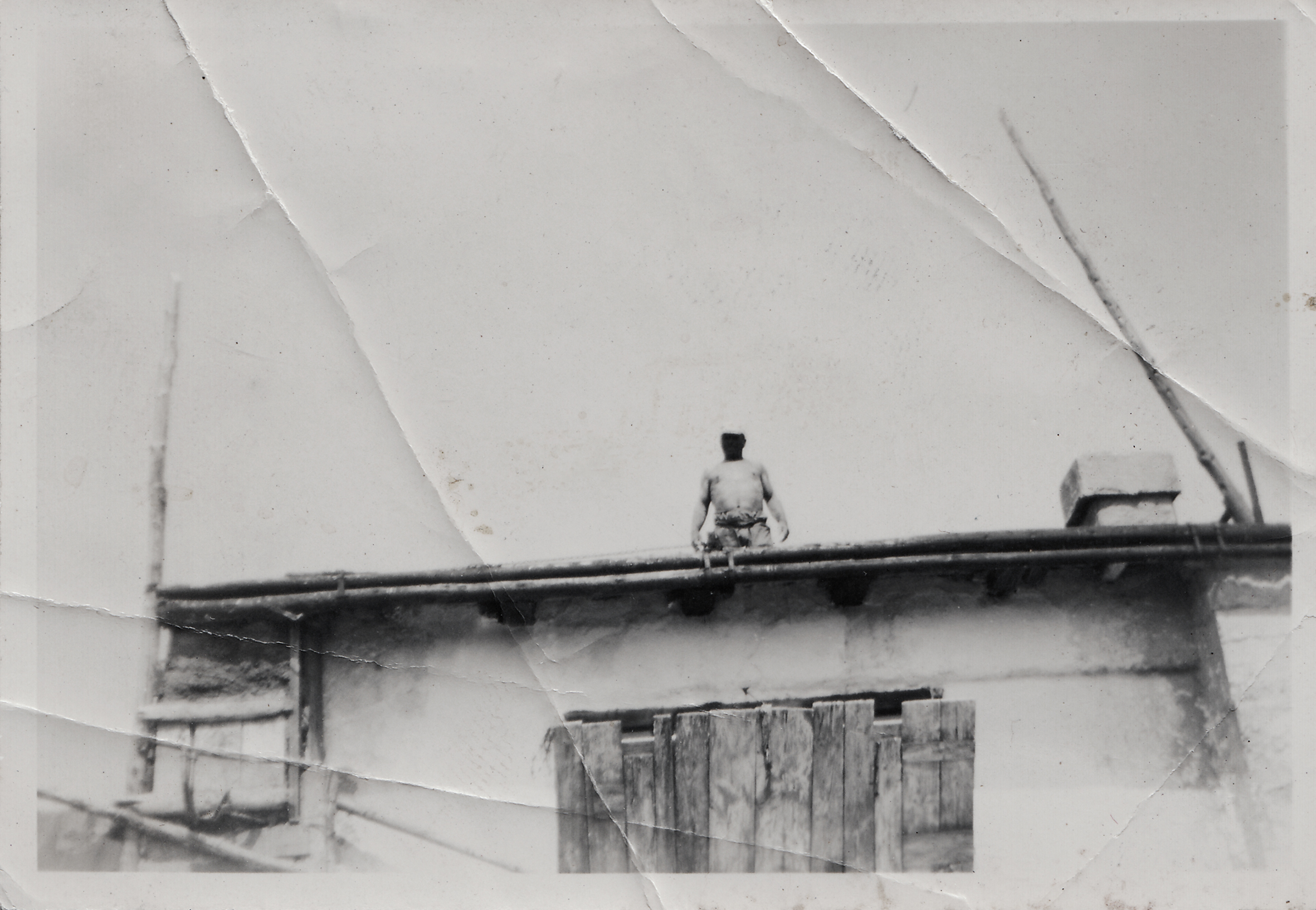
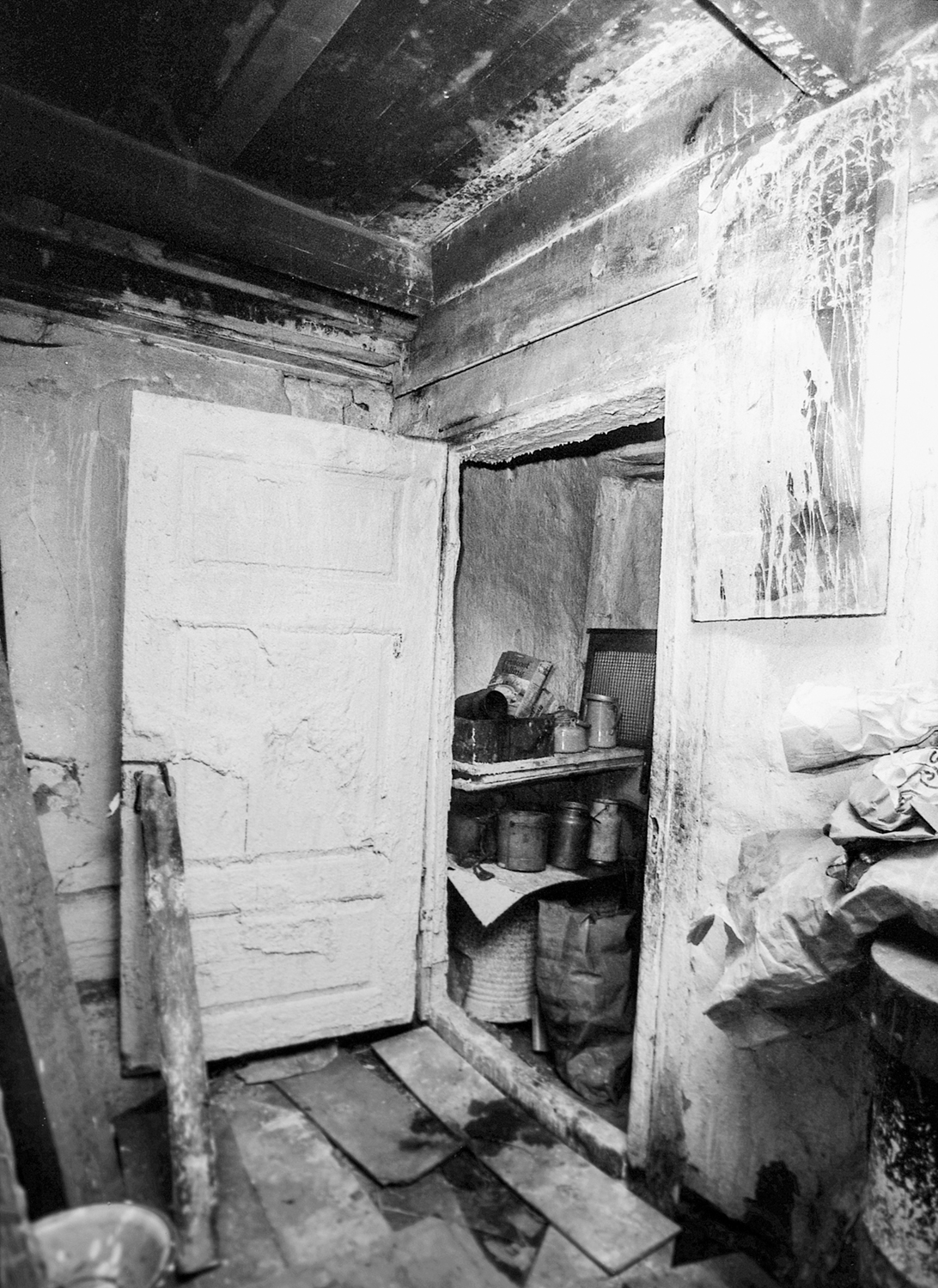
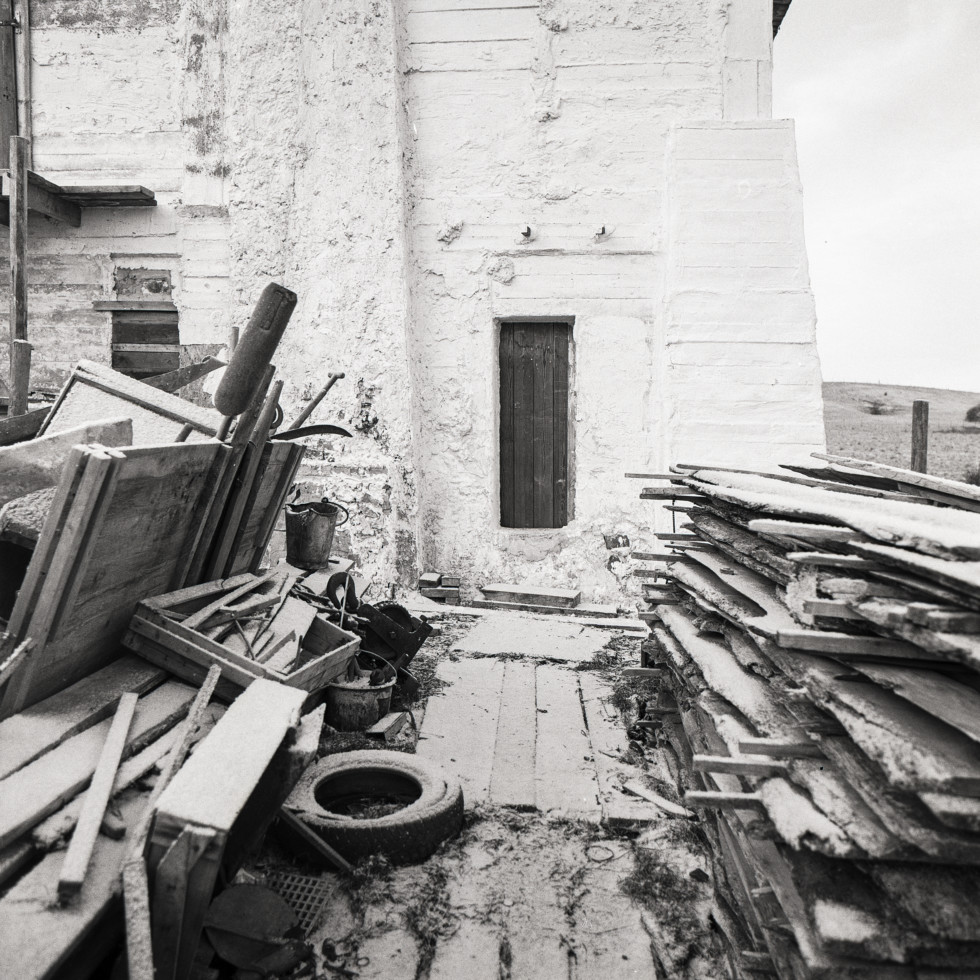
It was in the Scanian plains, near Hörby, that agricultural worker Karl-Göran Persson (1894 –1975) transformed his home into an armoured fortress: protection against a war he feared, a war that never came. He poured fear into concrete, and loneliness became masonry in a structure that still rises over the fields – a secretive embodiment of collective unease.
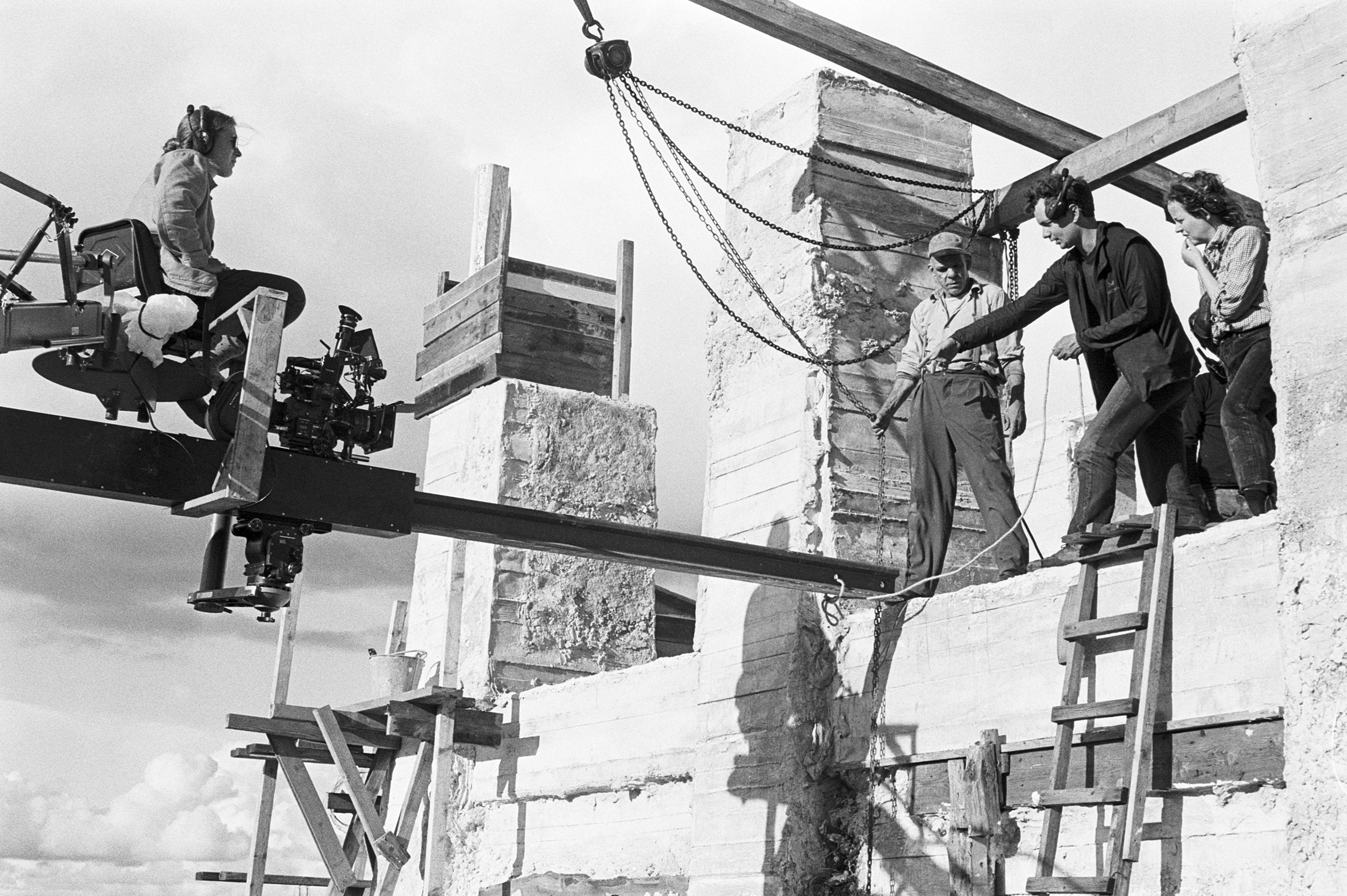
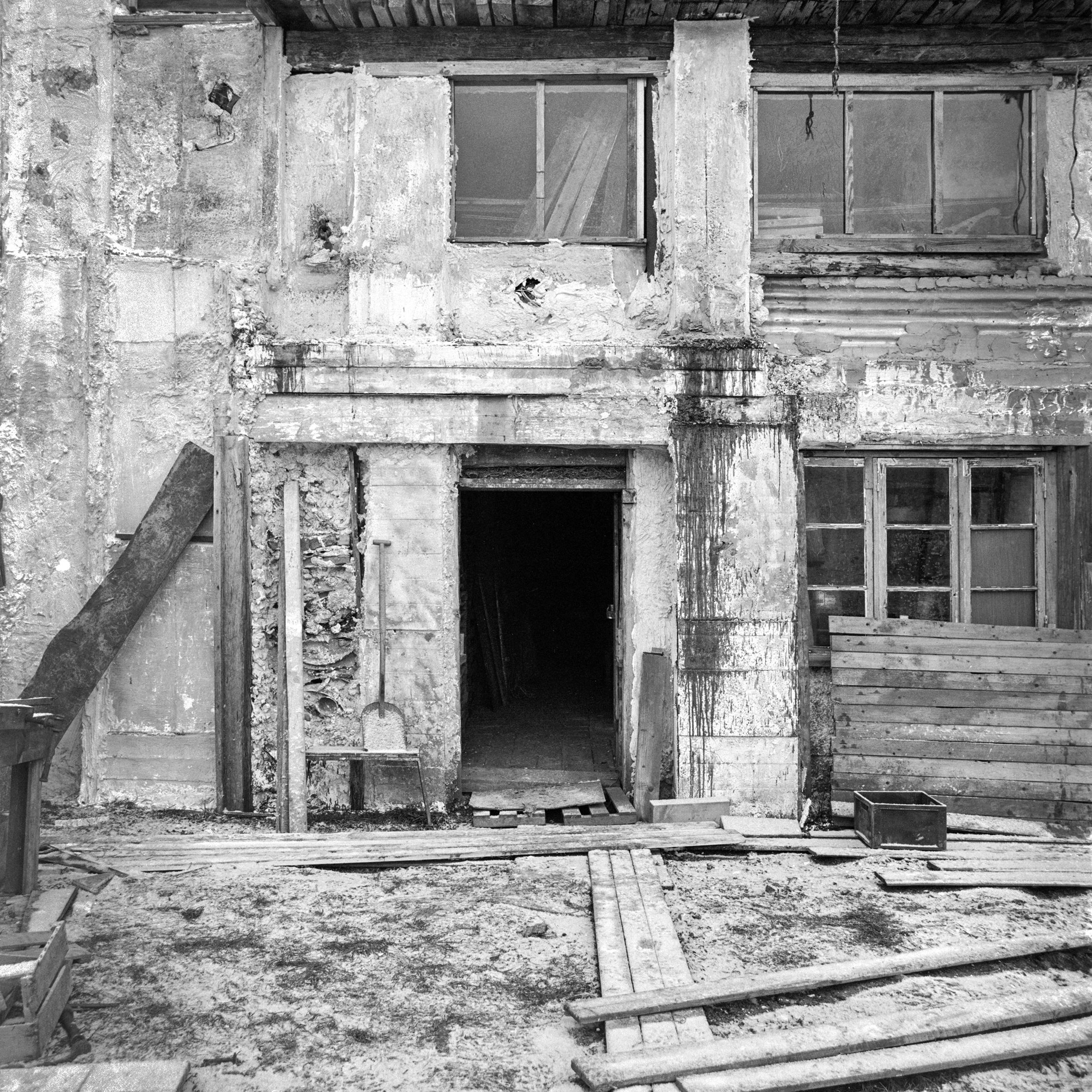
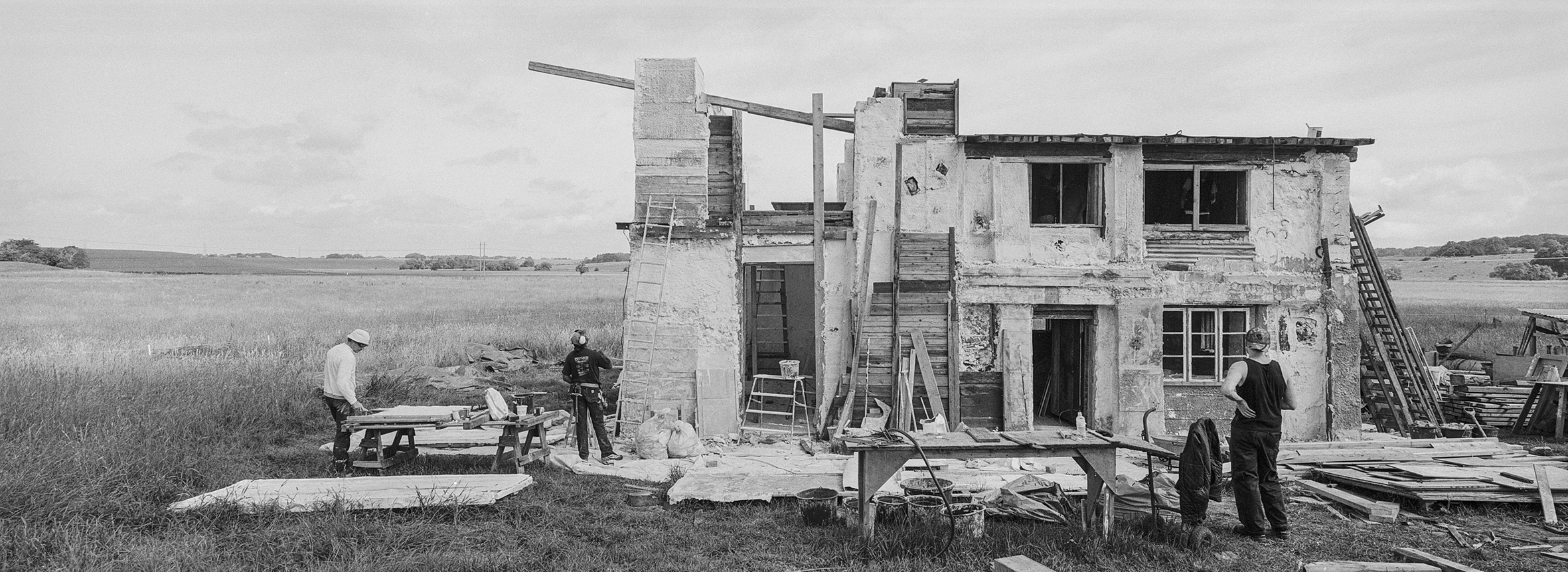
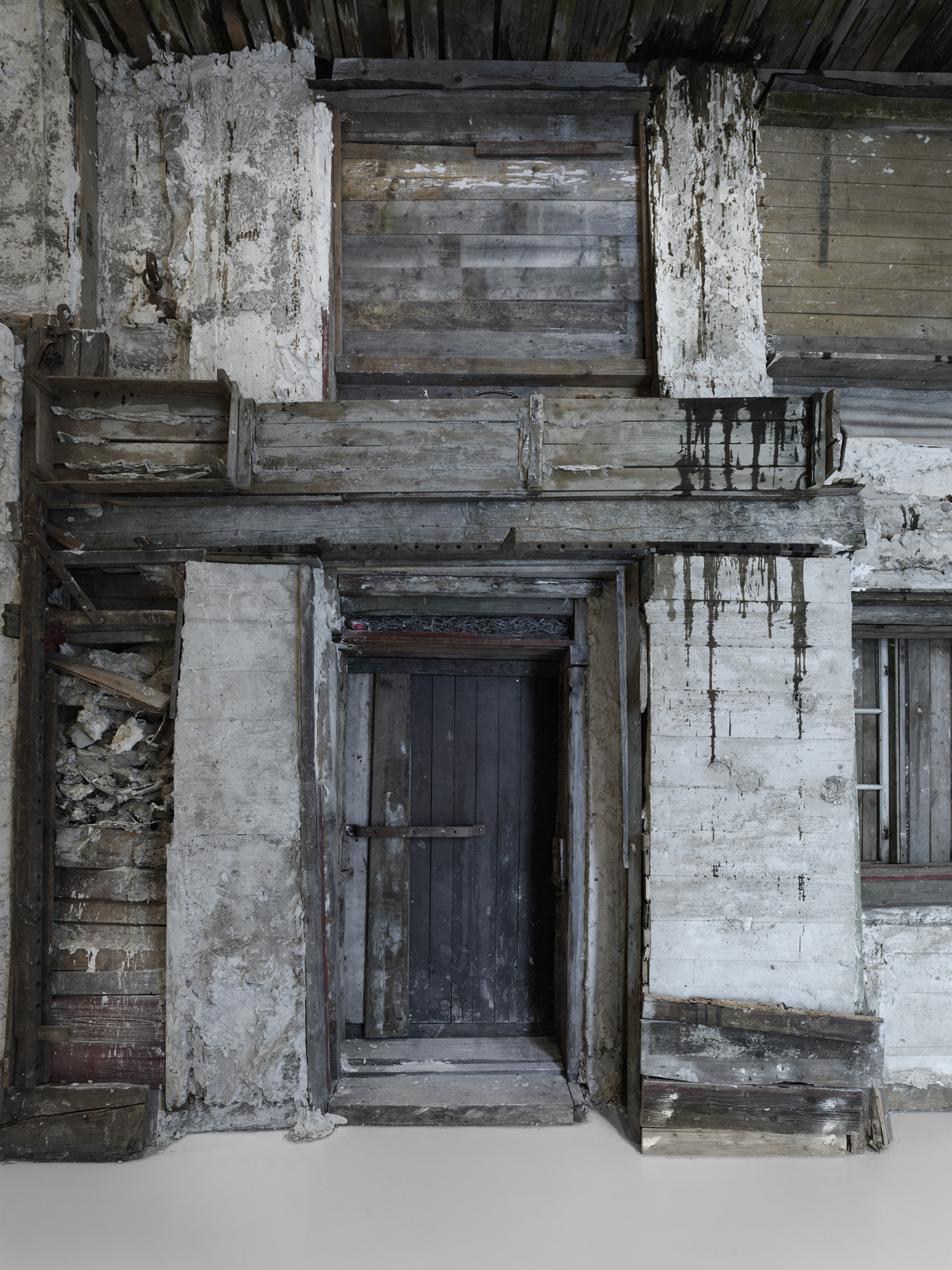
“REDOUBT” marks the culmination of a twelve-year artistic project in Karl-Göran Persson’s footsteps. When John Skoog and his collaborators, ahead of filming, built a reconstruction of Persson’s structure, the work evolved into a shared artistic exploration. The result – a monumental sculpture – is now shown for the first time.
“The reconstruction emerged organically, in dialogue with the site – both the topography and the people who live there. From the outset, the building balanced between scenography, sculpture, and temporary landmark,” says John Skoog.
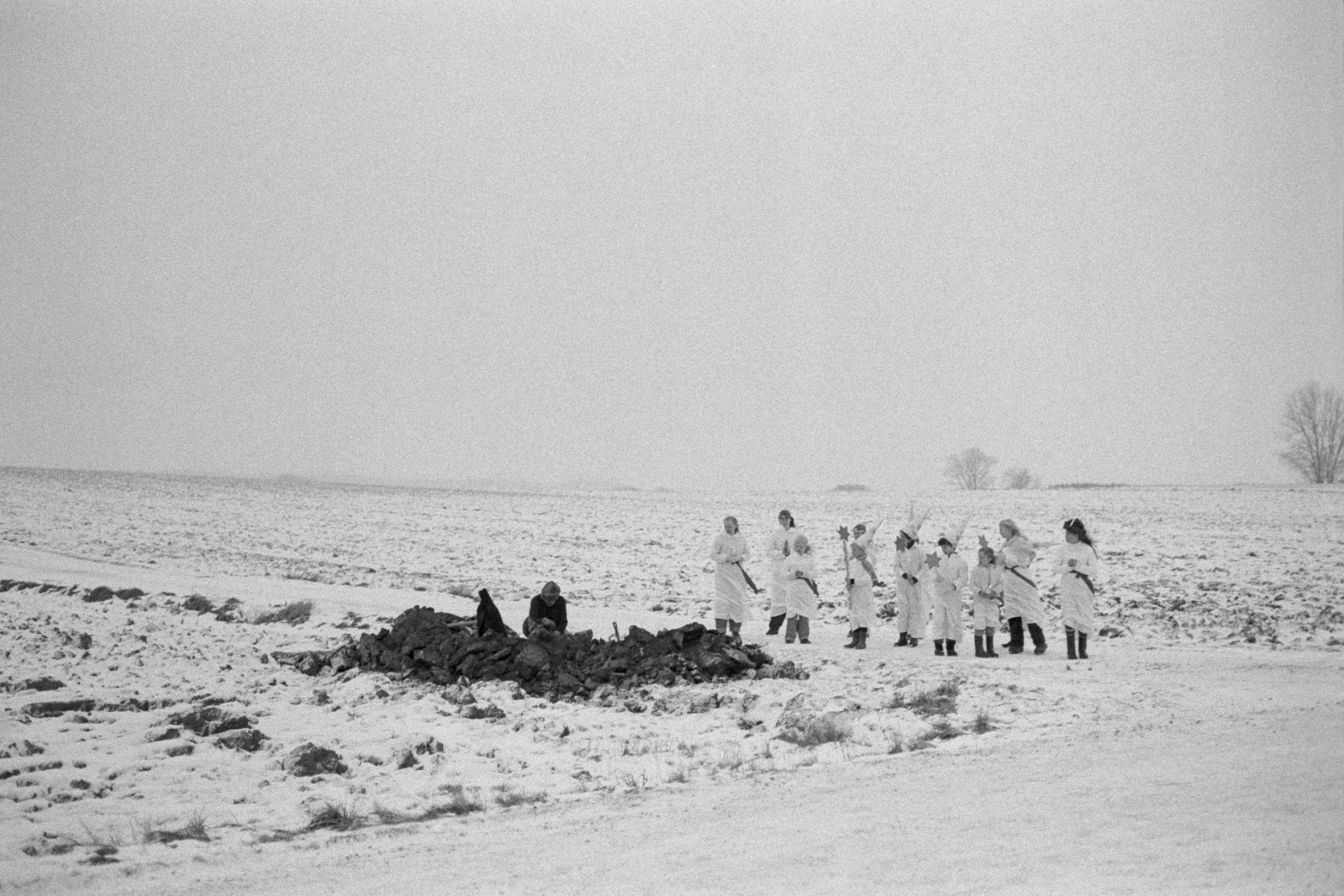
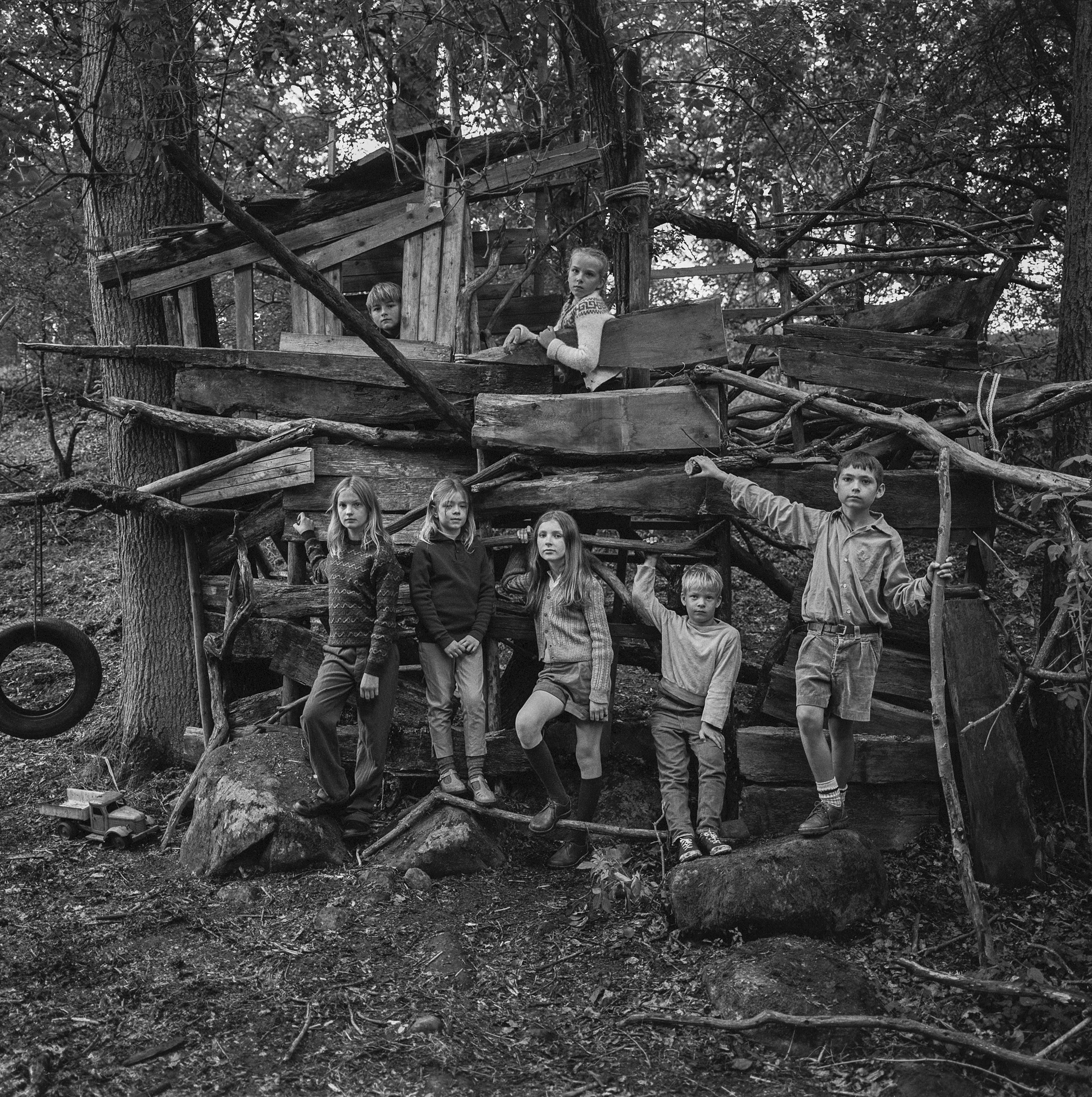
Karl-Göran Persson belonged to the community while simultaneously standing beside it. In the space between adults’ everyday labour and children’s den-building and war games, he began the lifelong transformation of his home in the 1930s. After the civil defence pamphlet “If War Comes” (“Om kriget kommer”) was first distributed to Swedish households in 1943, the project gained new momentum and continued through the superpower tensions of the Cold War.
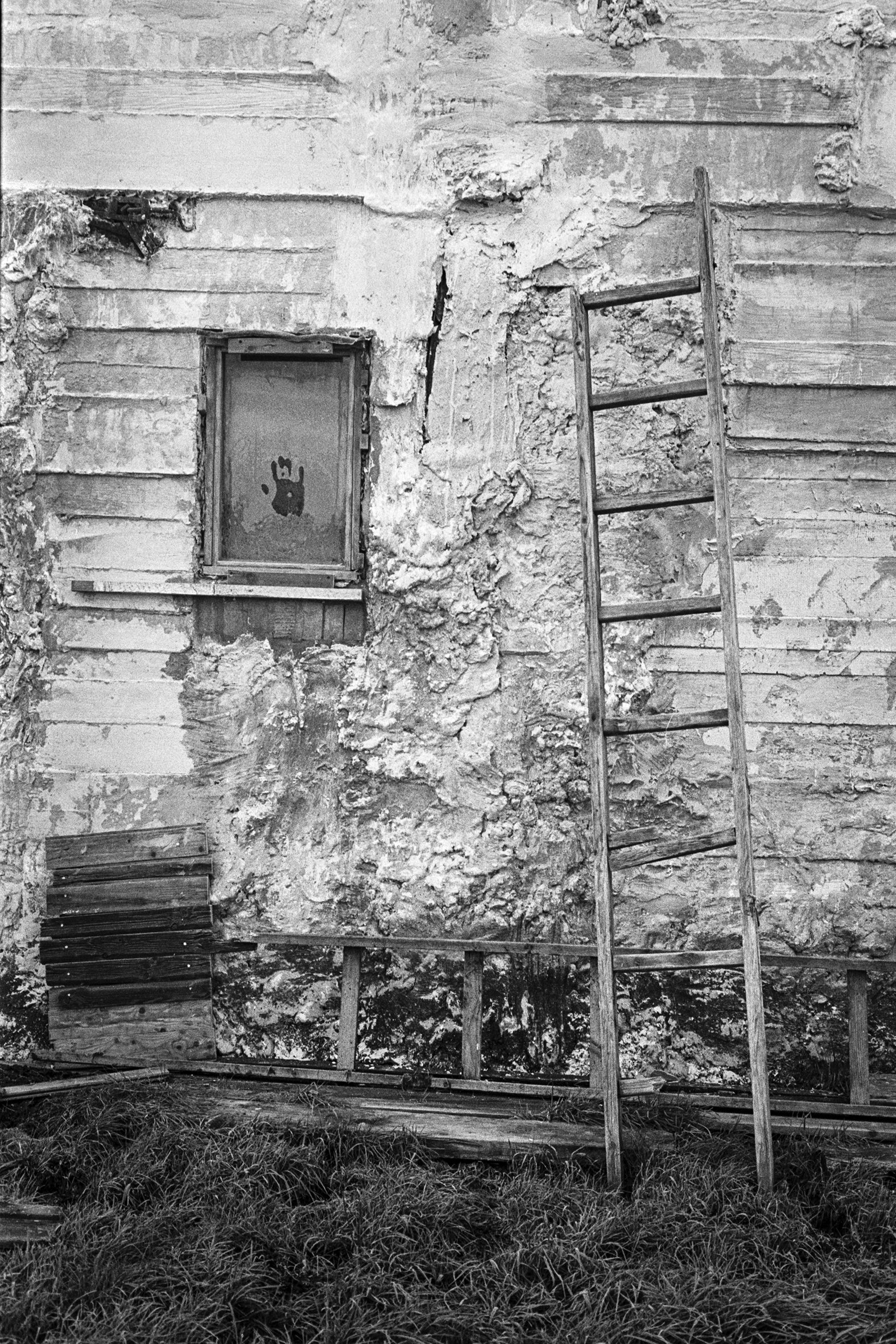
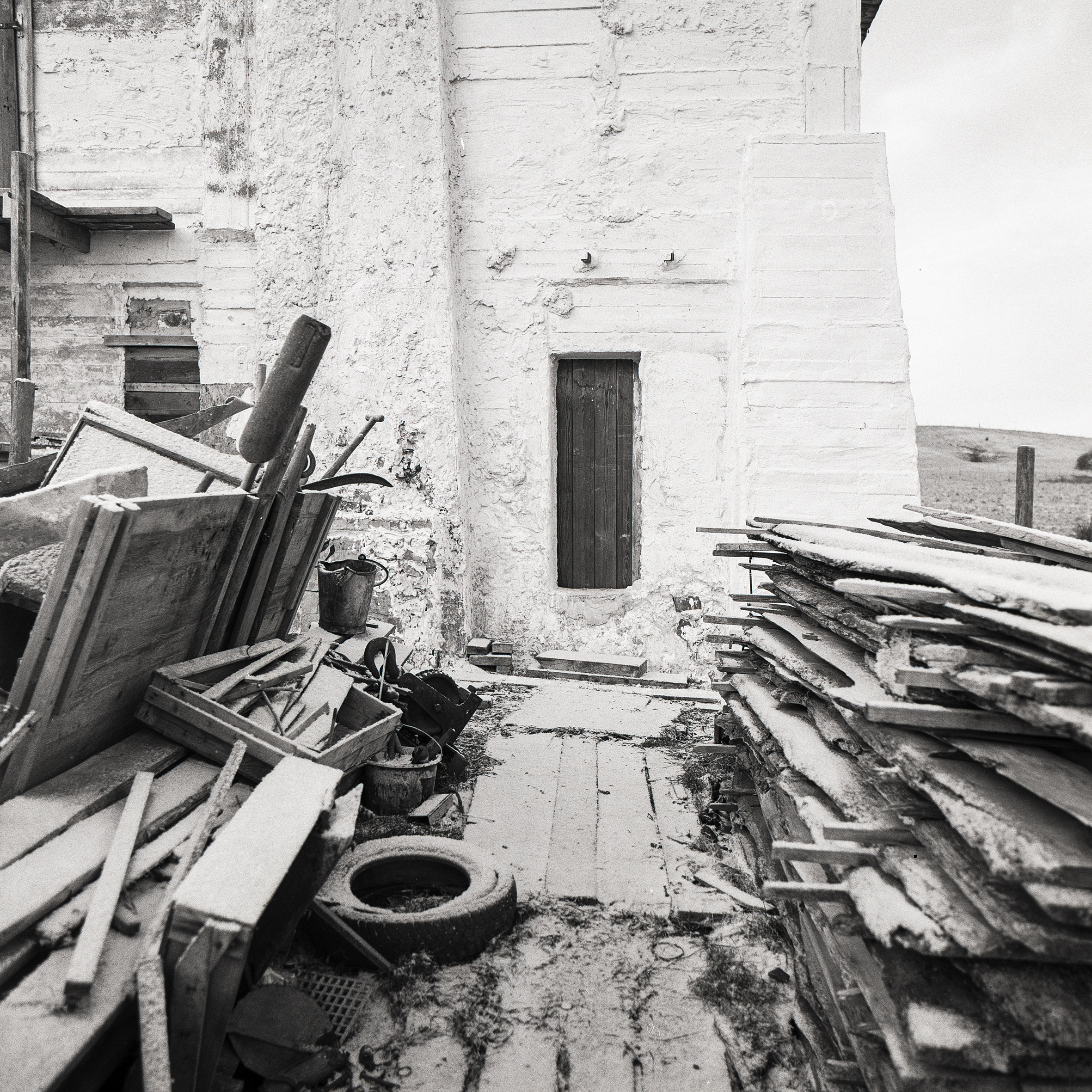
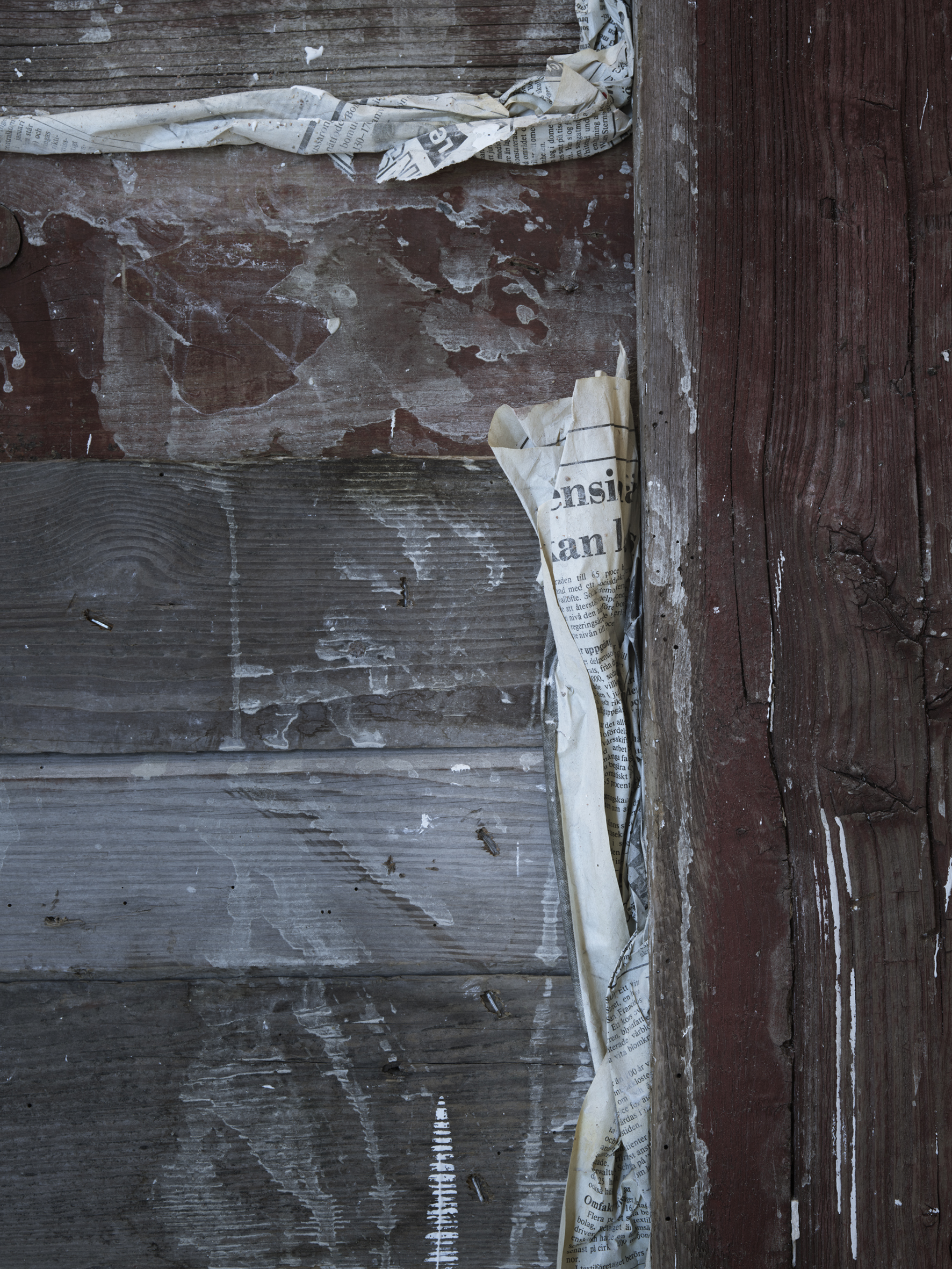
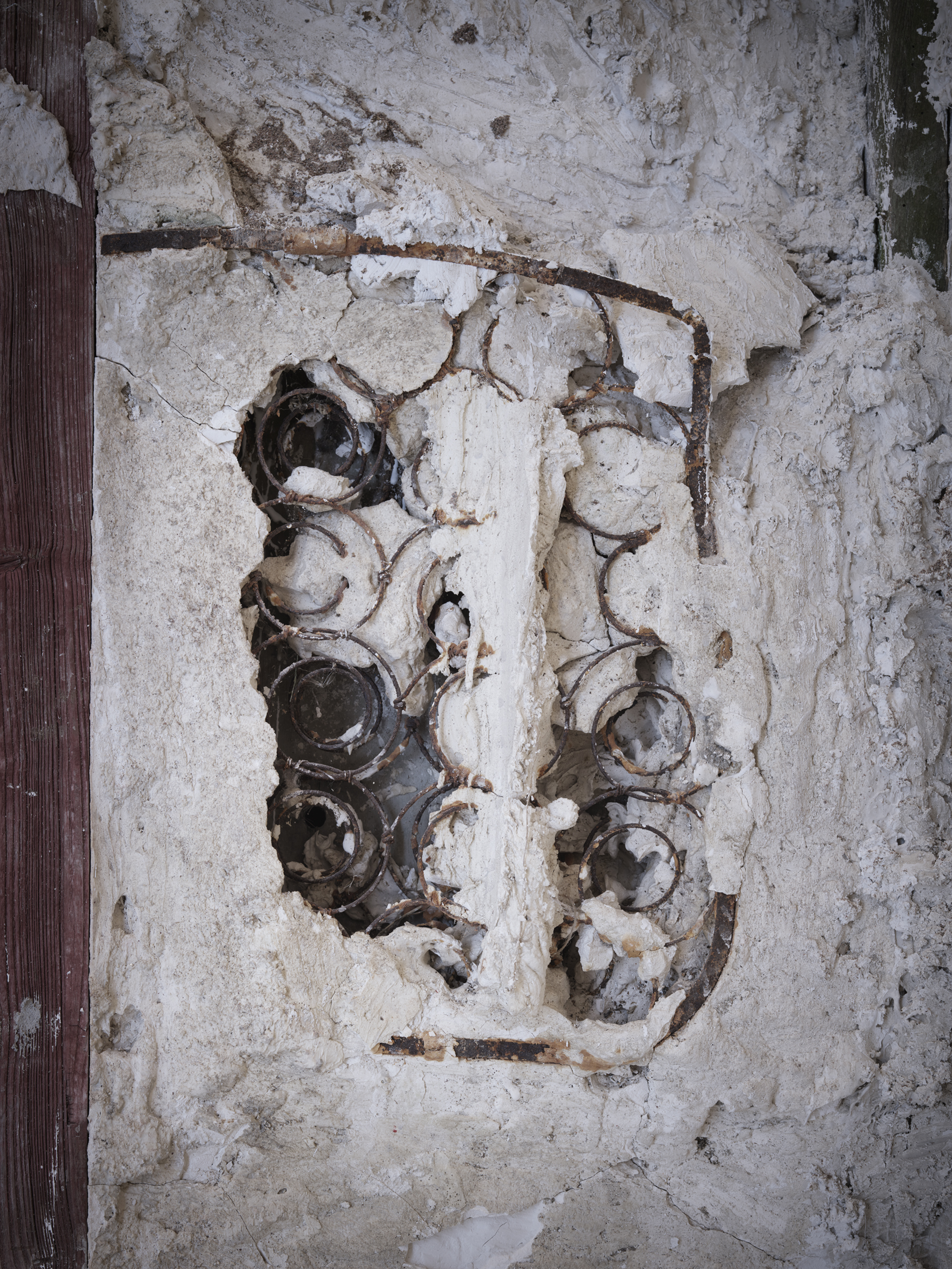
The structure was intended to offer protection to every resident of the village – and even to the King. Over decades, Persson collected metal and scrap from an agricultural sector undergoing rapid transformation – materials he hauled home on his bike and cast into the concrete as reinforcement. Farm tools, bicycle parts, and milk churns were embedded in the walls, surfacing like fossils from an earlier society. They bear witness to modernity’s shifts in Swedish agriculture and to a changing relationship between humans, machines, animals, and landscape.
Karl-Göran Persson’s stubborn care was sustained by a rationality also attentive to something more fragile, more untamed. Was his undertaking excessive? Naive? Irrational? Perhaps. But what, then, is a reasonable response to the possibility of war – and what is war, if not the collapse of human solidarity and reason?
“Layers of compressed time become visible in the exhibition’s strata of originals, reconstructions, and copies. The boundary between armoured bunker and brutalist sculpture remains fluid – as do questions of authorship and the casting of roles, from Karl-Göran Persson to John Skoog and onward to his artistic collaborators,” says curator Joa Ljungberg.
About John Skoog
John Skoog (born 1985 in Kvidinge, Scania) is an artist and filmmaker based in Copenhagen. After studying at Städelschule in Frankfurt, graduating in 2012, he has worked with film, video, photography, and installation. His practice often returns to the landscape where he grew up – its people, machines, animals, and natural terrain. In his films, dusk and twilight recur as thresholds, carrying a sense of quiet unease. Skoog’s work combines historical research and close observation of everyday life with a poetic sensibility. His process is defined by long-term collaborations with people both in front of and behind the camera. Alongside his artistic practice, he runs the nomadic cinema Terrassen in Copenhagen and is Professor of Film at the Academy of Fine Arts Mainz.
John Skoog is represented in Moderna Museet’s collection with: “Late on Earth” (2011) and “Shadowland” (2015).
The feature film “REDOUBT” premieres in Swedish cinemas on 27 February 2026. It is produced by Plattform Produktion and distributed by TriArt Film.
With support from:
Statens Kunst Fond (Denmark),
Fake Foundation (Denmark)
OCA – Office for Contemporary Art (Norway)
Curator: Joa Ljungberg
The exhibition is shown in the Turbine Hall at Moderna Museet Malmö
Open vernissage on Friday, February 13, 17 – 20 at Moderna Museet Malmö
17.30 Welcome address by Elisabeth Millqvist, Museum Director, Moderna Museet Malmö. Curator Joa Ljungberg introduces the artist. John Skoog speaks about “REDOUBT” together with his collaborators: Laslo Chenchanna, Julian Ernst, Gabriel Karlsson, Erlend Rødsten, Søren Schwarzberg, and Ernst Skoog.
DJ: Radio Jesusparken
Kafé Sisko stays open, offering a party until 22.
Artist talk on Saturday, February 14, 14 – 15.30
A conversation between John Skoog and curator Joa Ljungberg. The conversation will conclude with a special viewing of the sculpture in “REDOUBT”, with John Skoog’s collaborators: Laslo Chenchanna, Julian Ernst, Gabriel Karlsson, Erlend Rødsten, Søren Schwarzberg, and Ernst Skoog.
Moderna Museet Malmö is part of the national Moderna Museet and is funded by the City of Malmö, Region Skåne, and the Swedish government.
Press viewing and contact
Members of the press are warmly invited to a press viewing on Thursday 12 February at 10 at Moderna Museet Malmö, in the presence of John Skoog and his collaborators Laslo Chenchanna, Julian Ernst, Gabriel Karlsson, Erlend Rødsten, Søren Schwarzberg, and Ernst Skoog, Curator Joa Ljungberg, and Museum Director Elisabeth Millqvist.
RSVP by 10 February to Alexandra Giertz at a.giertz@modernamuseet.se (please state which newspaper or media outlet you represent).
Installation images will be uploaded on Friday, 13 February.
For further information, please contact:
Alexandra Giertz
Communications Manager
Moderna Museet Malmö
a.giertz@modernamuseet.se