
© Anna Casparsson 2026
Photo: Albin Dahlström/Moderna Museet
Anna Casparsson
The Isle of Bliss
Stockholm, 25.4 2026 – 27.9 2026
Anna Casparsson (1861–1961) was a textile artist, pianist and translator. For several decades, her home “Villa Snäckan” in Saltsjöbaden outside Stockholm was a meeting place for cultural figures, where they used to gather around the grand piano in the salon. Playing the piano was her great passion, but after the death of her husband Edvard Casparsson in 1923, she increasingly directed her creative energy towards embroidery, which would become her main form of expression.
Her own visual worlds and contrary to the ideals of the time
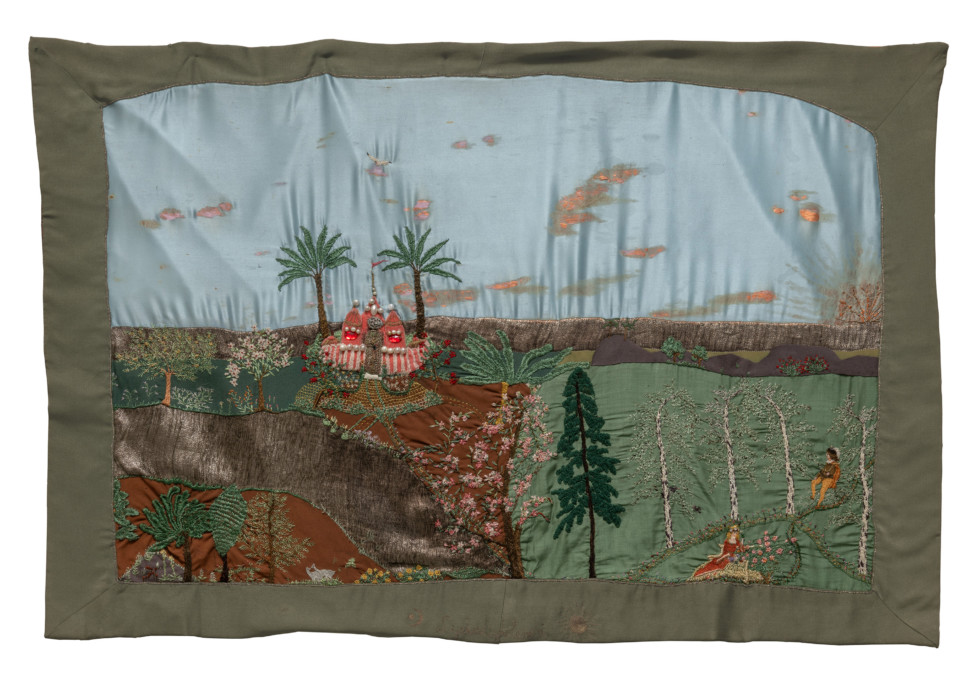
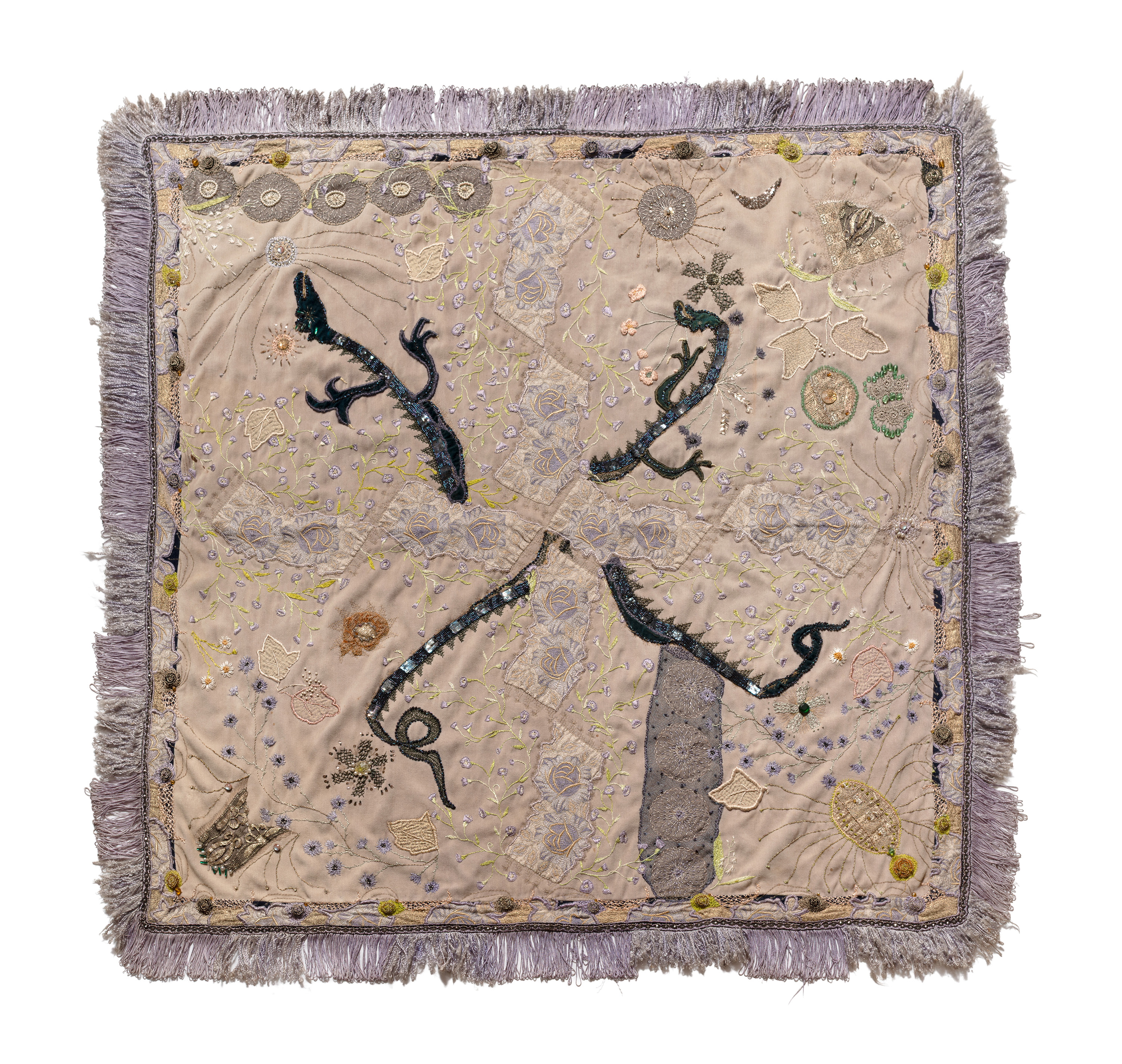
The vast majority of Anna Casparsson’s works are connected to the home environment. More specifically, the decoration of various interior details with specific uses, where the decorative grew into her own visual worlds with elements from folk tales, biblical stories and classical music.
Anna Casparsson began her creation in textiles during a period when interest in embroidery grew explosively in Sweden. But her own free style and choice of materials in motifs and patterns were something completely different from the ideals of sewing and needlework of the time.
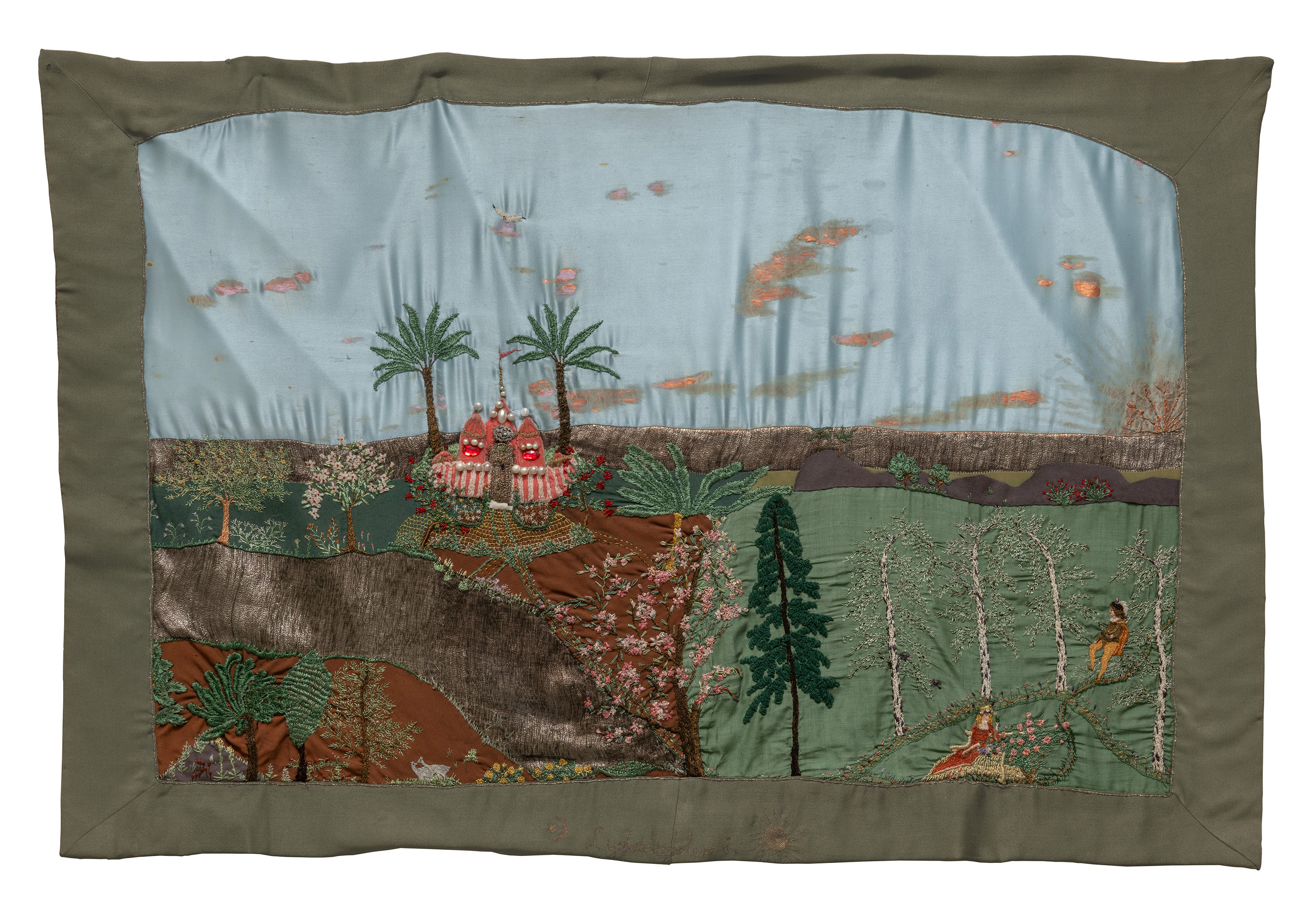
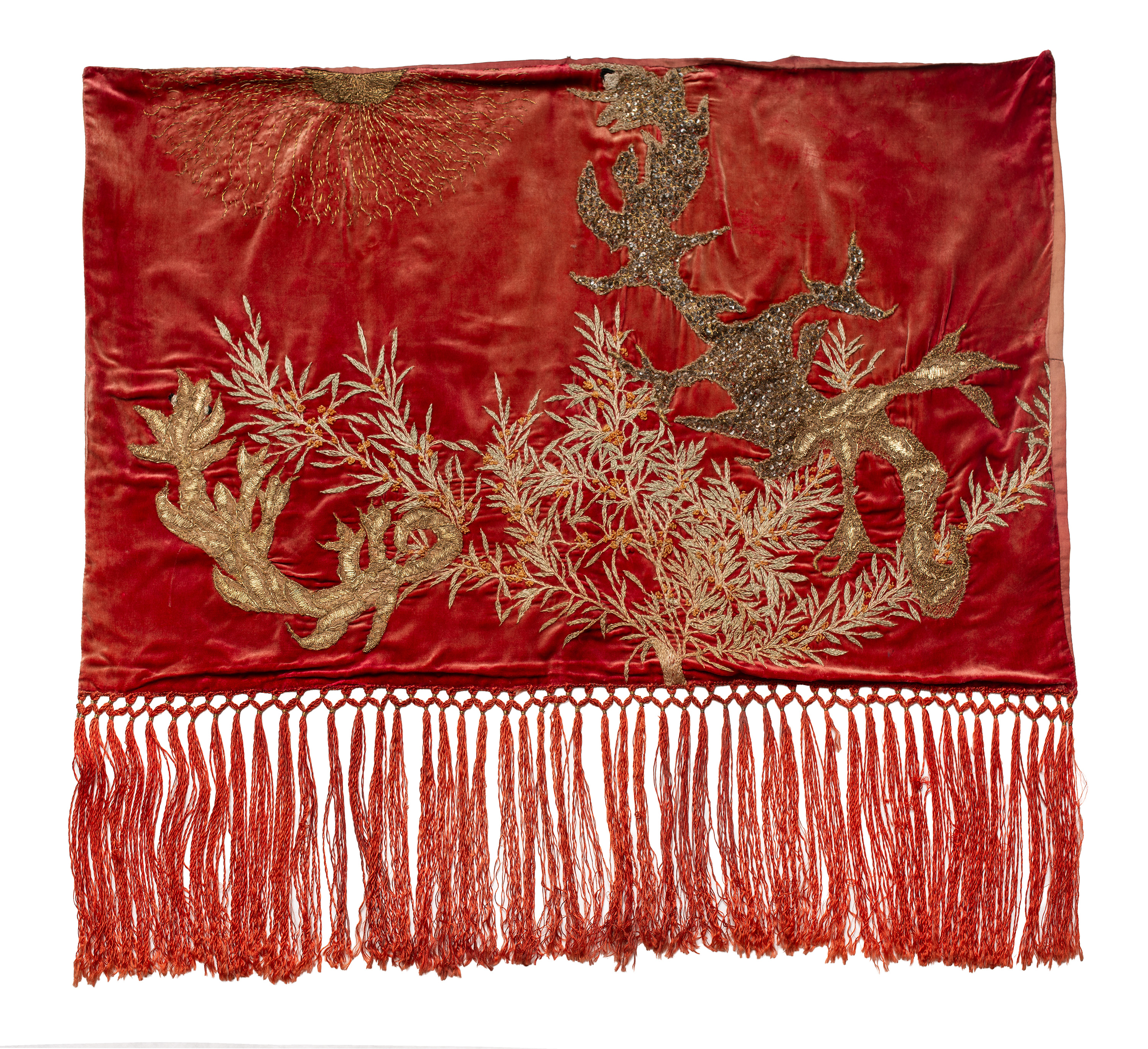
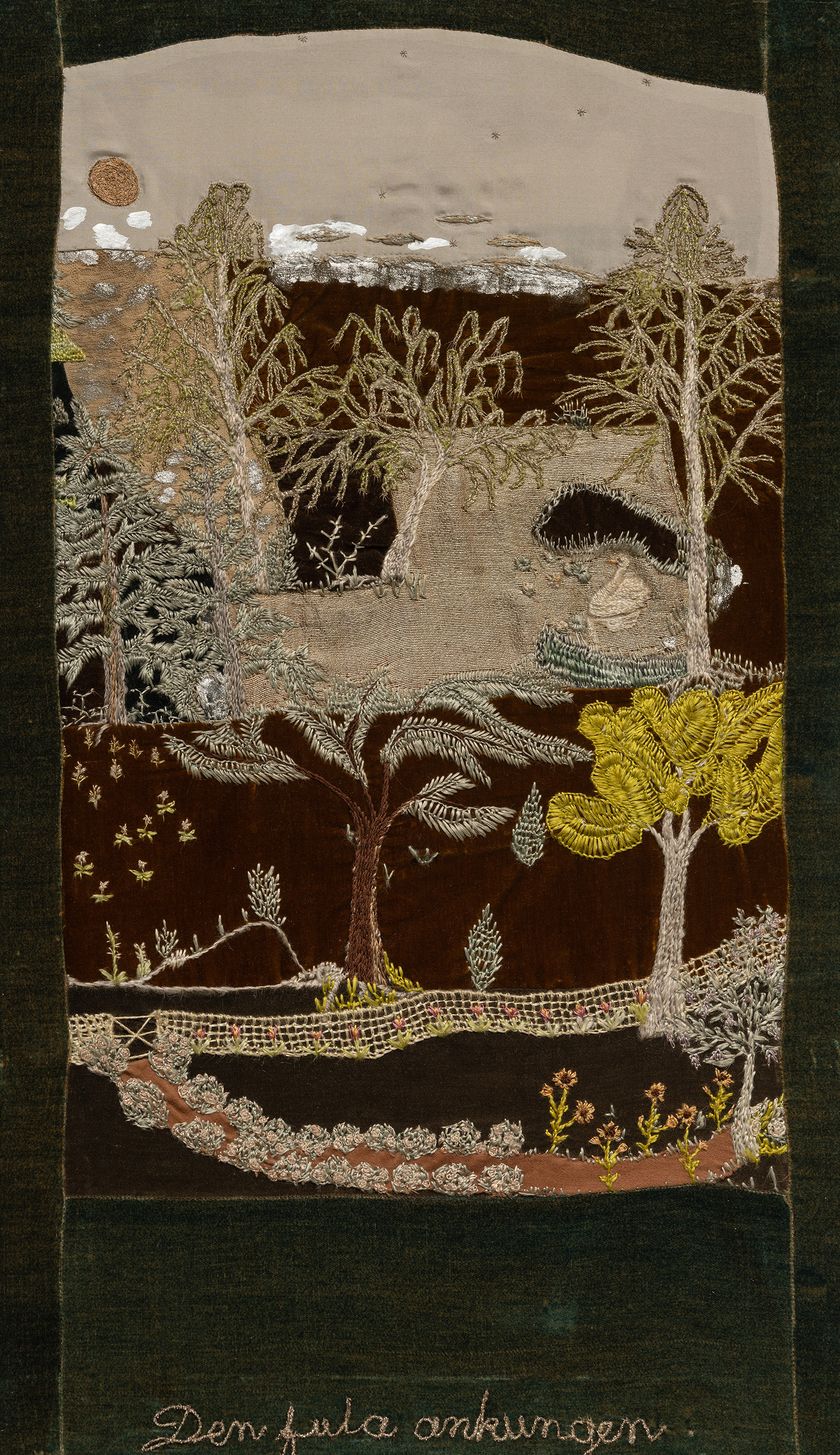
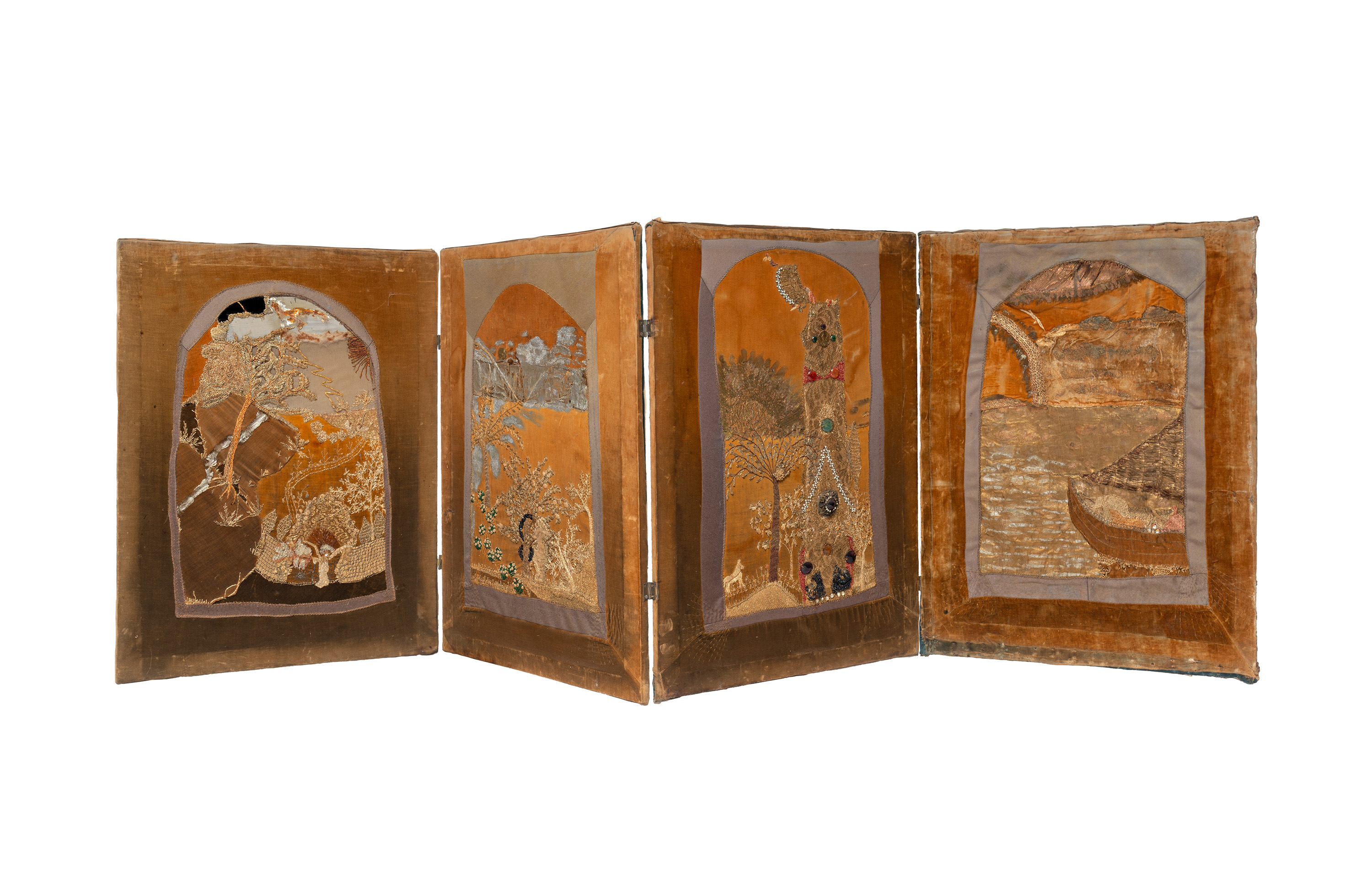
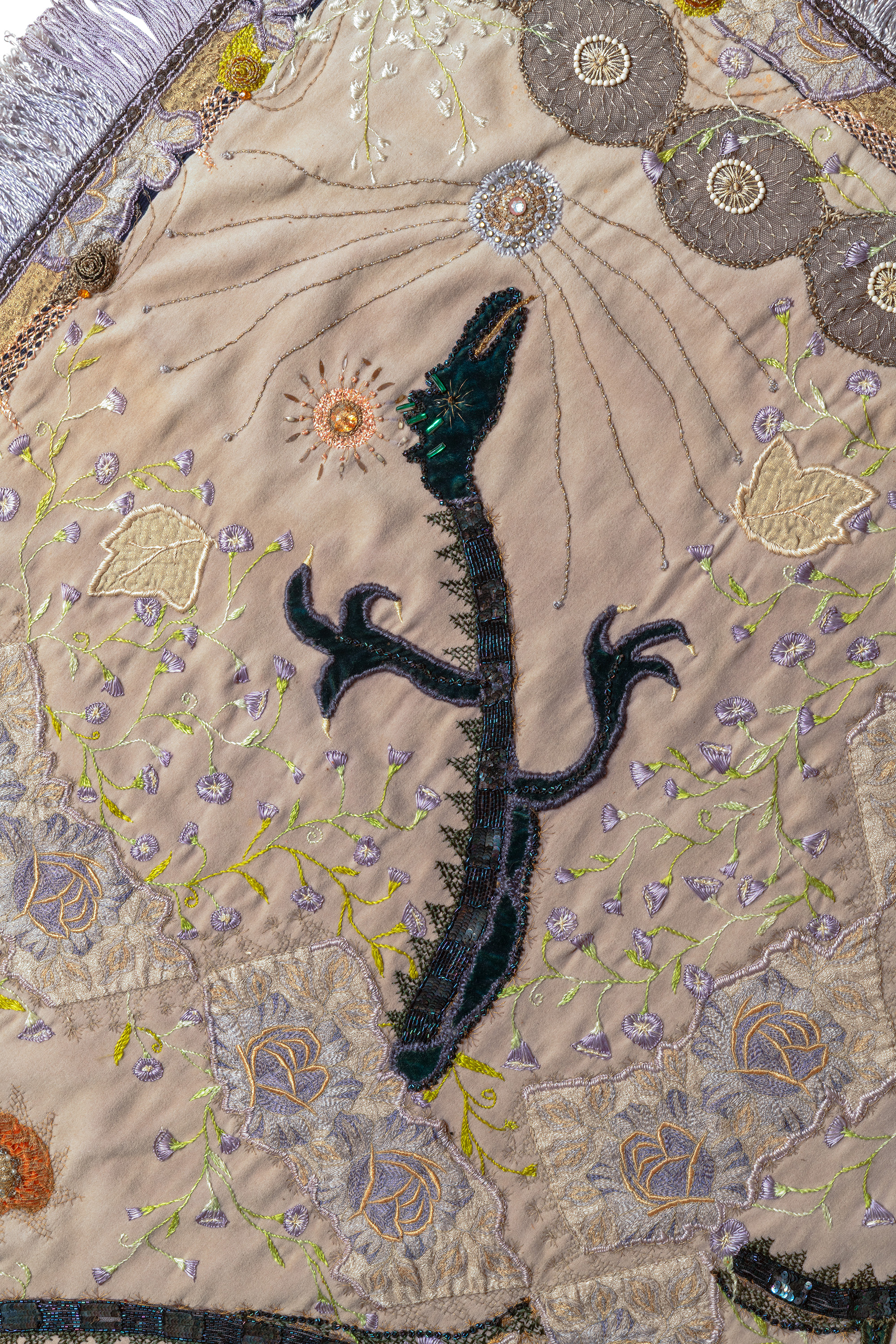
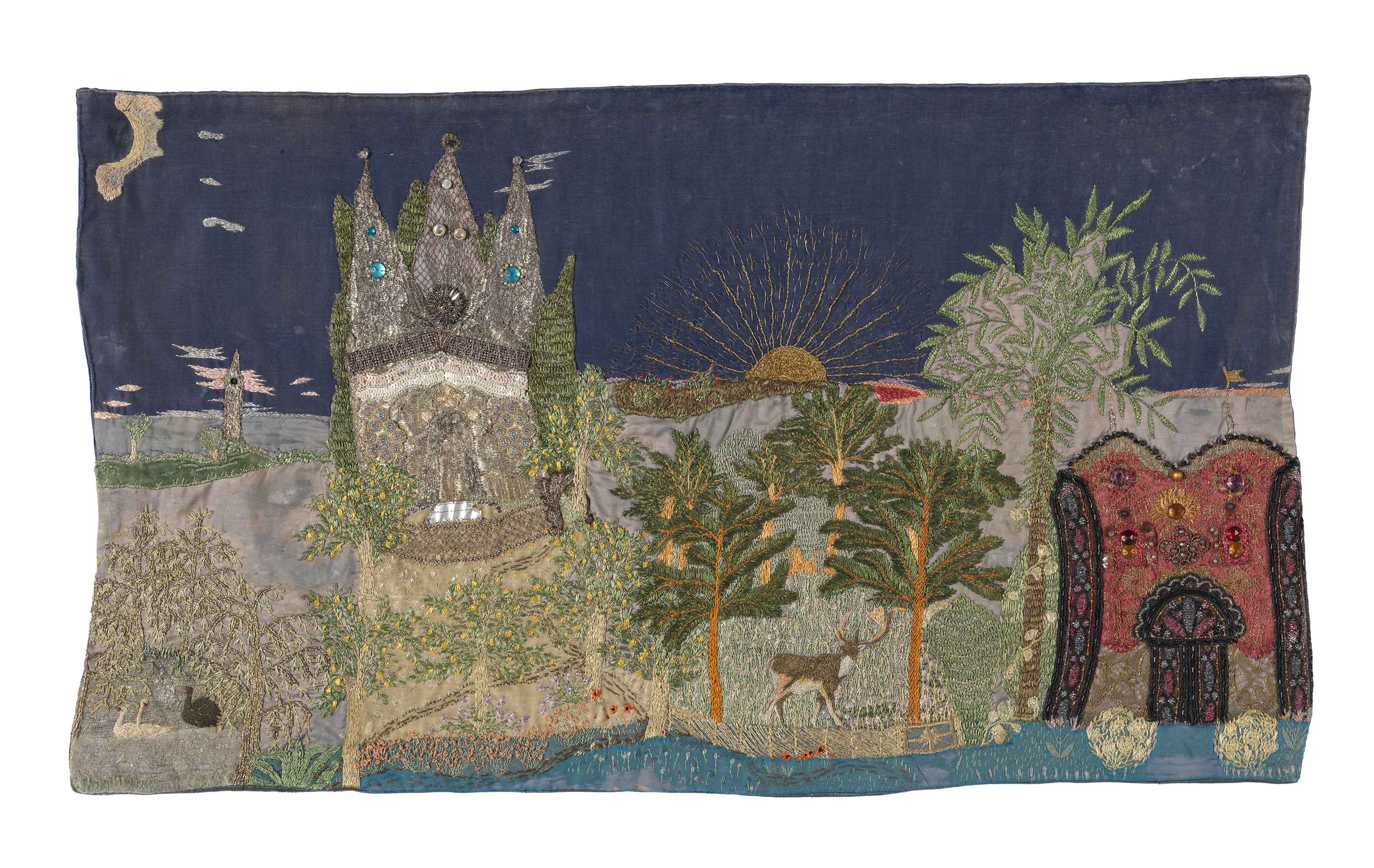
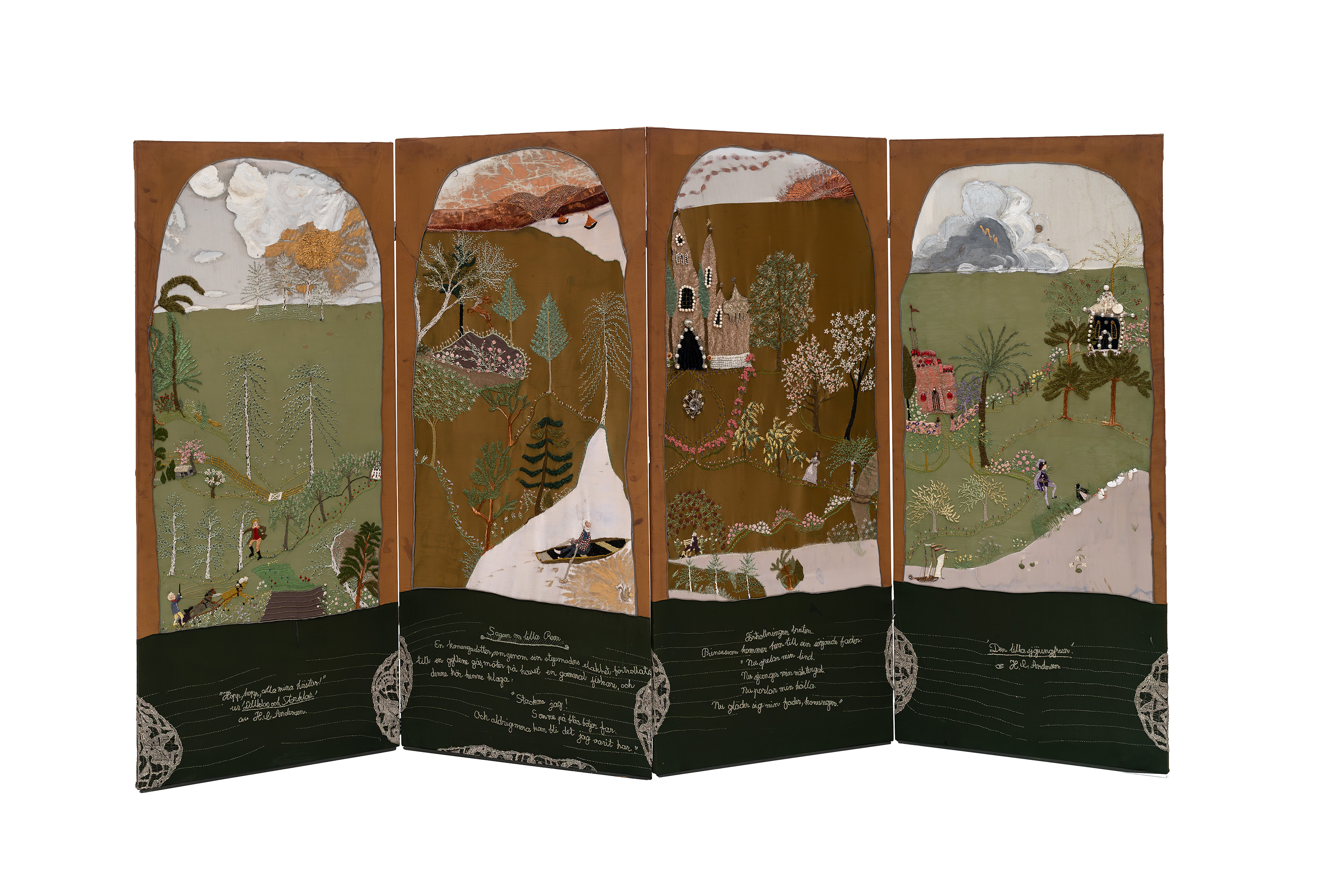
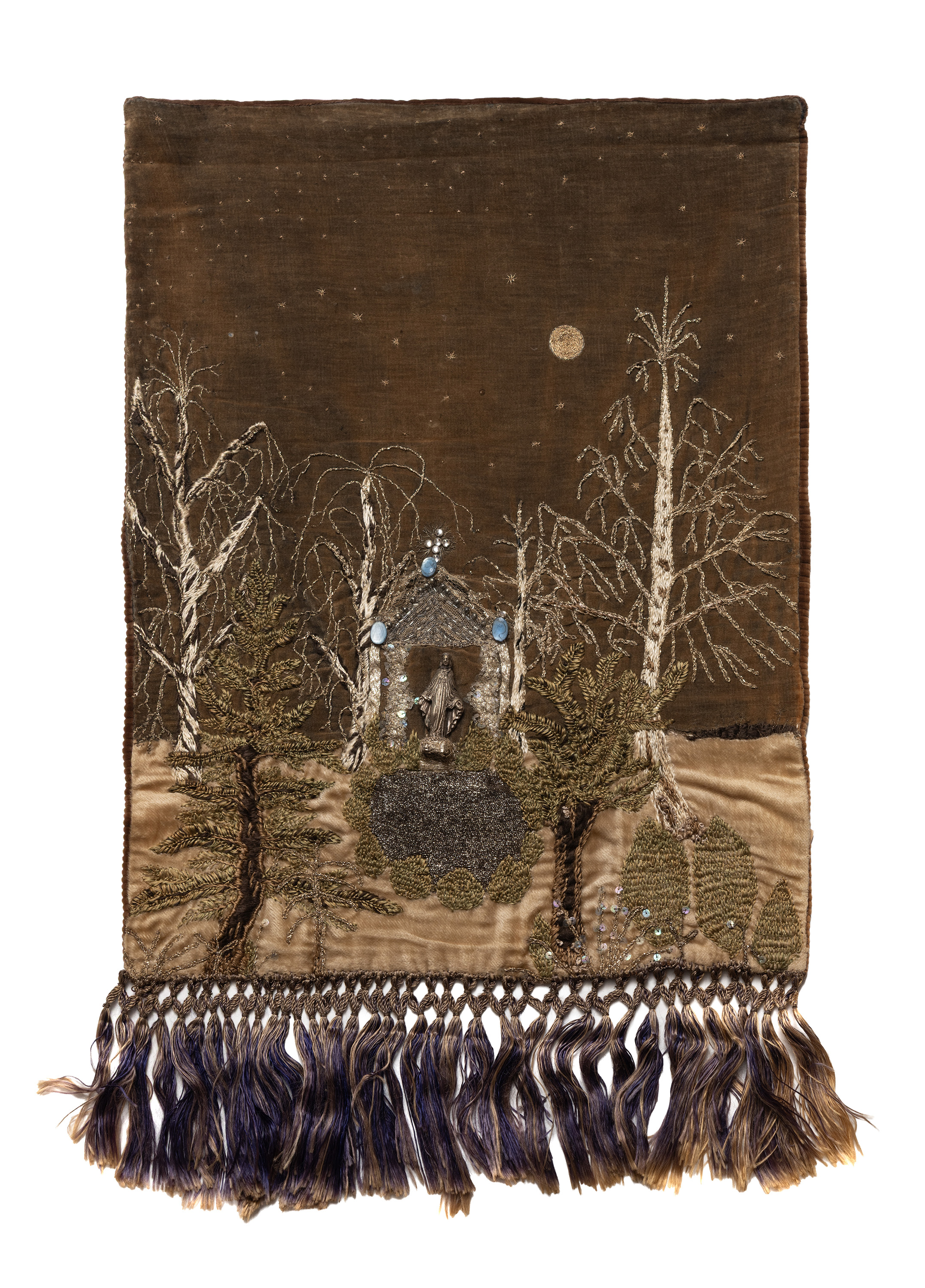
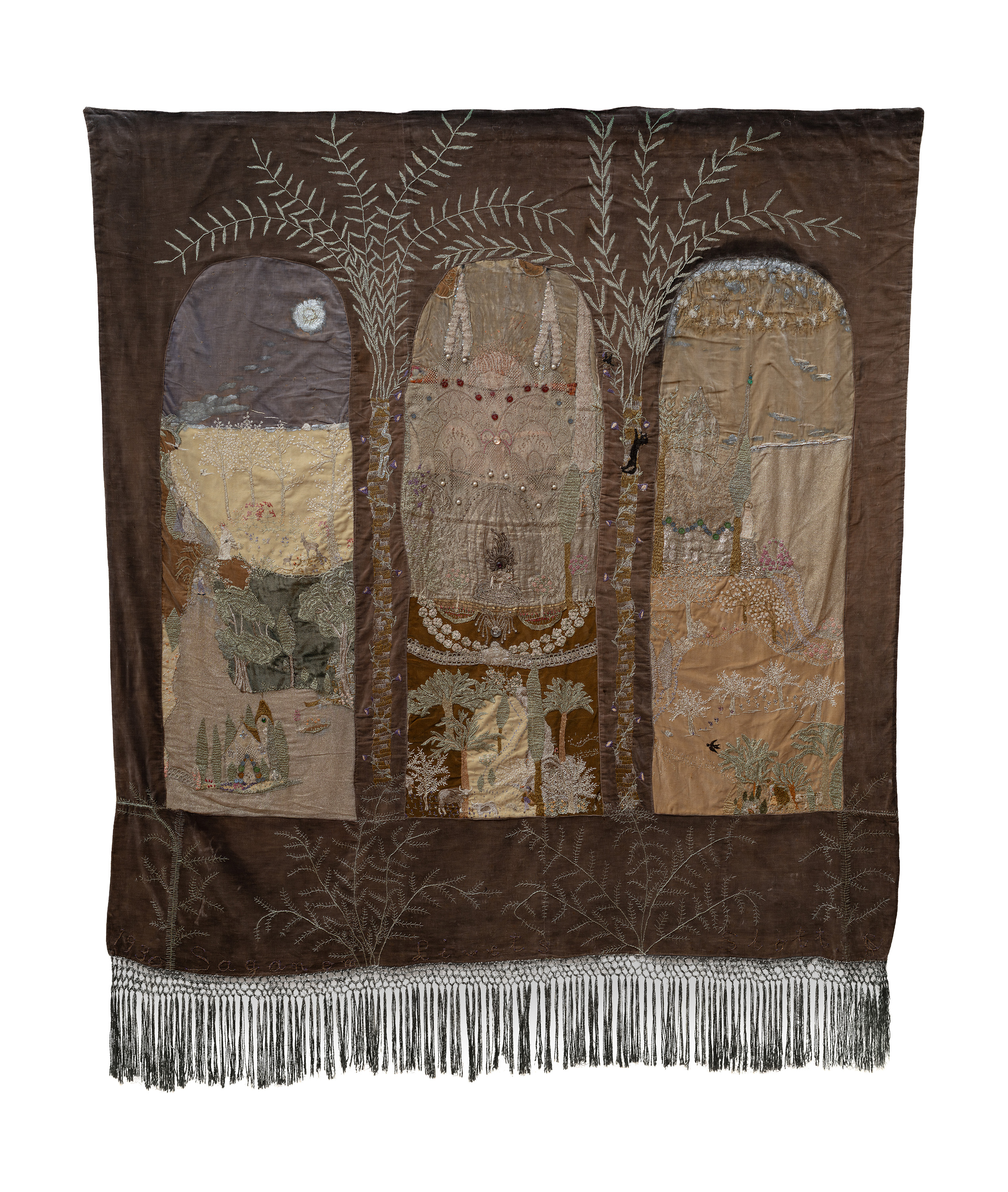
In her works, she reused materials such as silk and velvet, and embroidered pearls, sequins, shells, silver and gold thread, images of saints, buttons, antique lace, mirror shards and much more into the works. The peculiar embroideries are characterised by opulence, detail and storytelling, and move freely between art and crafts.
From private creation to exhibition at Moderna Museet in 1960
For Anna Casparsson, embroidery was a personal and private creation. She rarely signed her works, and she gave away embroideries that she did not have room for at home to friends.
It was not until the age of 83, in 1945, that her art was presented in her first major exhibition, which took place in the Banquet Hall of Grand Hotel in Saltsjöbaden.
Anna Casparsson’s last major exhibition during her own lifetime opened at Moderna Museet in October 1960 – shortly before the artist’s 100th birthday. At that time, she was the second female living artist to have her own solo exhibition at the museum, shortly after Siri Derkert.
However, purchases for the Moderna Museet collection would not be made until 1966, when a work from 1947 was acquired. It is a four-part folding screen where the panels depict scenes from H.C. Andersen’s fairy tales.
Words and phrases in the images
The titles used today for Anna Casparsson’s works are often taken from the words and phrases she herself embroidered into the images, not least sentences from fairy tales and stories such as “David and Goliath”, “The Ugly Duckling” and “Little Red Riding Hood”.
The exhibition’s title, “The Isle of Bliss”, is borrowed from one of Casparsson’s work of the same name that shows an idyllic view of a landscape, where a pinkish castle rises between two palm trees. It is also the title of a fairy play from 1823 by the Swedish authour Per Daniel Amadeus Atterbom, who was one of Anna Casparsson’s relatives.
Curator: Asrin Haidari
The exhibition is shown in the museum’s smaller exhibition room, 144 square metres, right next to the restaurant.
For the exhibition, Moderna Museet is publishing a book about Anna Casparsson’s life and art.
This autumn, “Anna Casparsson–The Isle of Bliss” will be shown at Moderna Museet Malmö, where it opens on 24 October 2026.
Evening Programme: A Contemporary Salon
In connection with The Isle of Bliss, the exhibition space will be activated as a contemporary salon – a form that reflects both the artist’s practice and the cultural atmosphere surrounding Villa Snäckan in Saltsjöbaden. With the grand piano at the centre of the room, the museum invites the public to two evening events — on 28 April and 25 August — where music, literature, and art come together in vibrant performances.
More press images (installation views) will be accessable.
© Anna Casparsson 2026
Photo: Albin Dahlström/Moderna Museet
© Anna Casparsson 2026
Photo: Albin Dahlström/Moderna Museet
© Anna Casparsson 2026
Photo: Albin Dahlström/Moderna Museet
© Anna Casparsson 2026
Photo: Albin Dahlström/Moderna Museet
© Anna Casparsson 2026
Photo: Albin Dahlström/Moderna Museet
© Anna Casparsson 2026
Photo: Albin Dahlström/Moderna Museet
© Anna Casparsson 2026
Photo: Viktor Fordell/Nationalmuseum
© Anna Casparsson 2026
Photo: Albin Dahlström/Moderna Museet
© Anna Casparsson 2026
Photo: Albin Dahlström/Moderna Museet
© Anna Casparsson 2026
Photo: Albin Dahlström/Moderna Museet
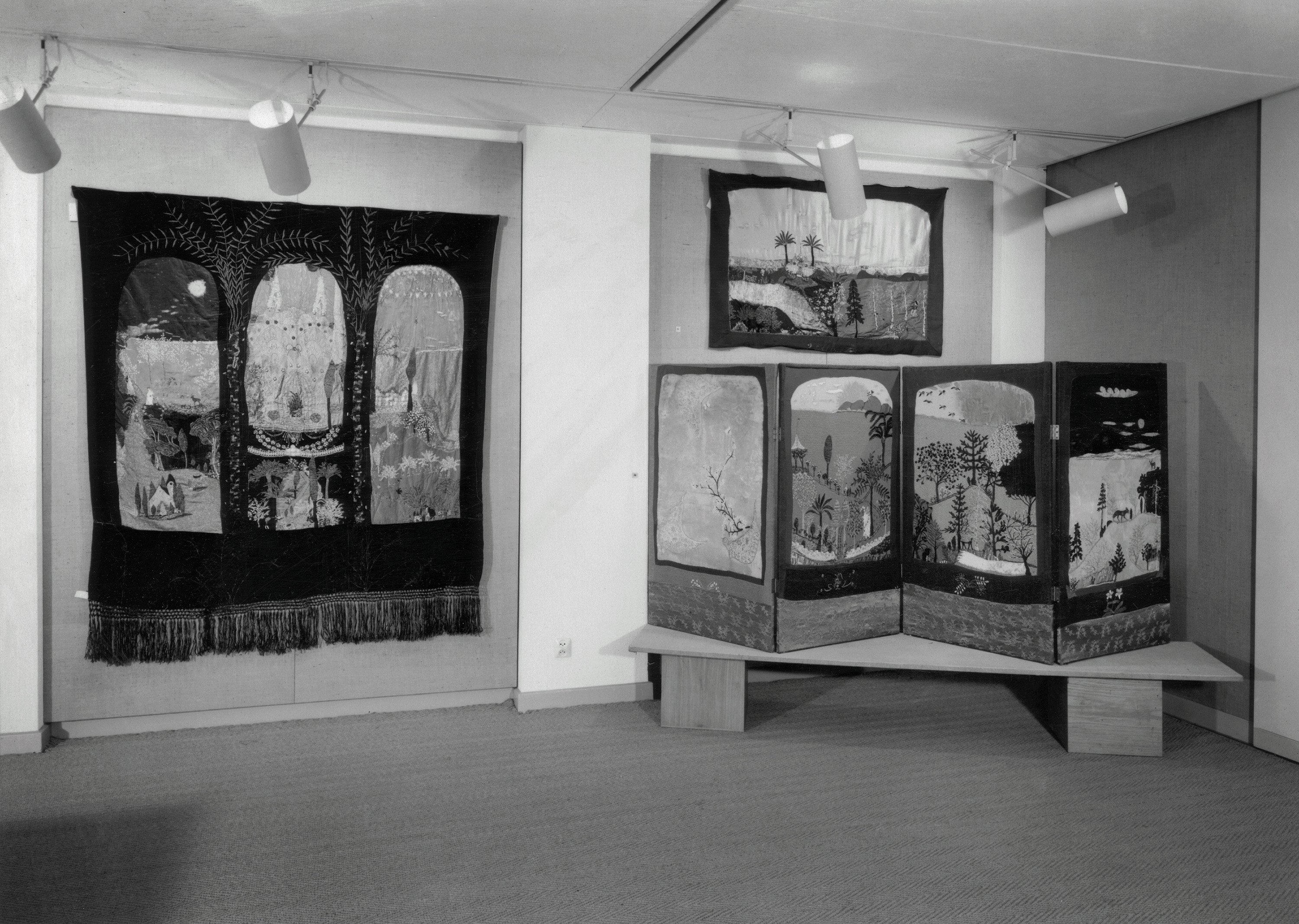
Photo: Moderna Museet
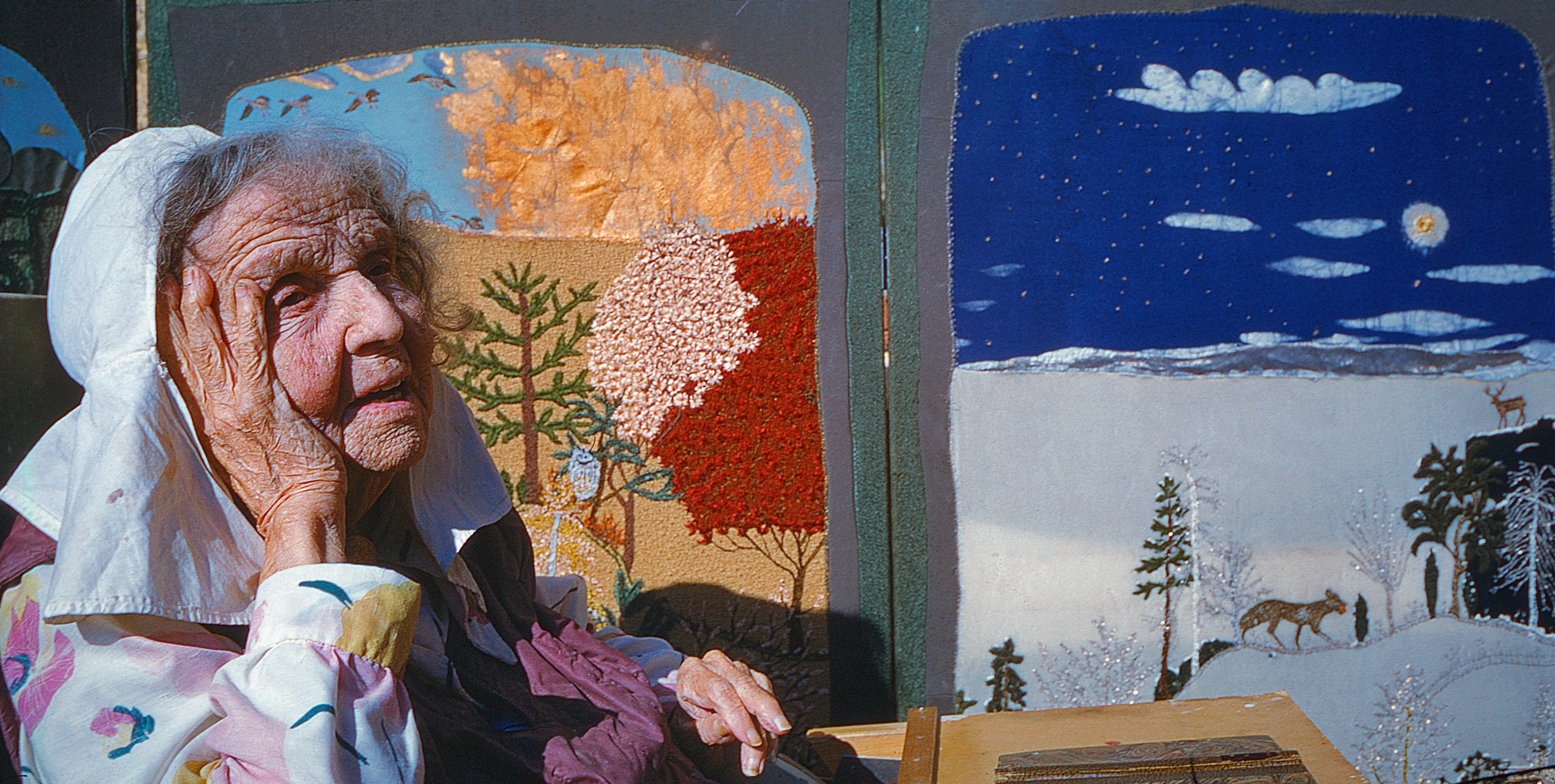
Photo: Lennart Olson © Hallands Konstmuseum