
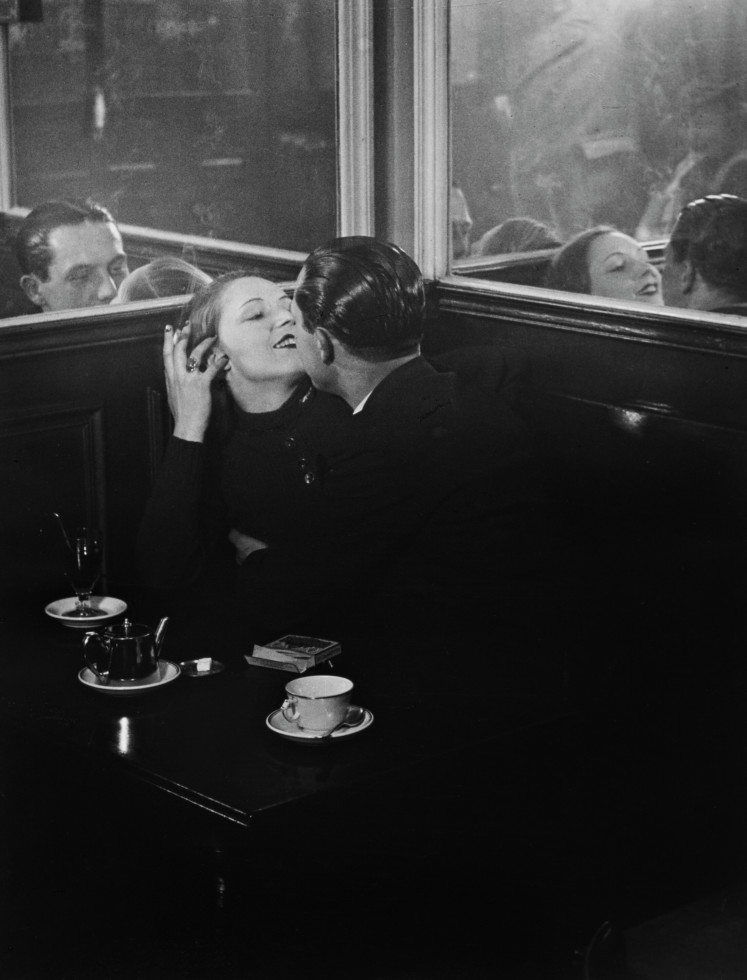
Brassaï
The Secret Signs of Paris
Stockholm, 28.3 2026 – 4.10 2026
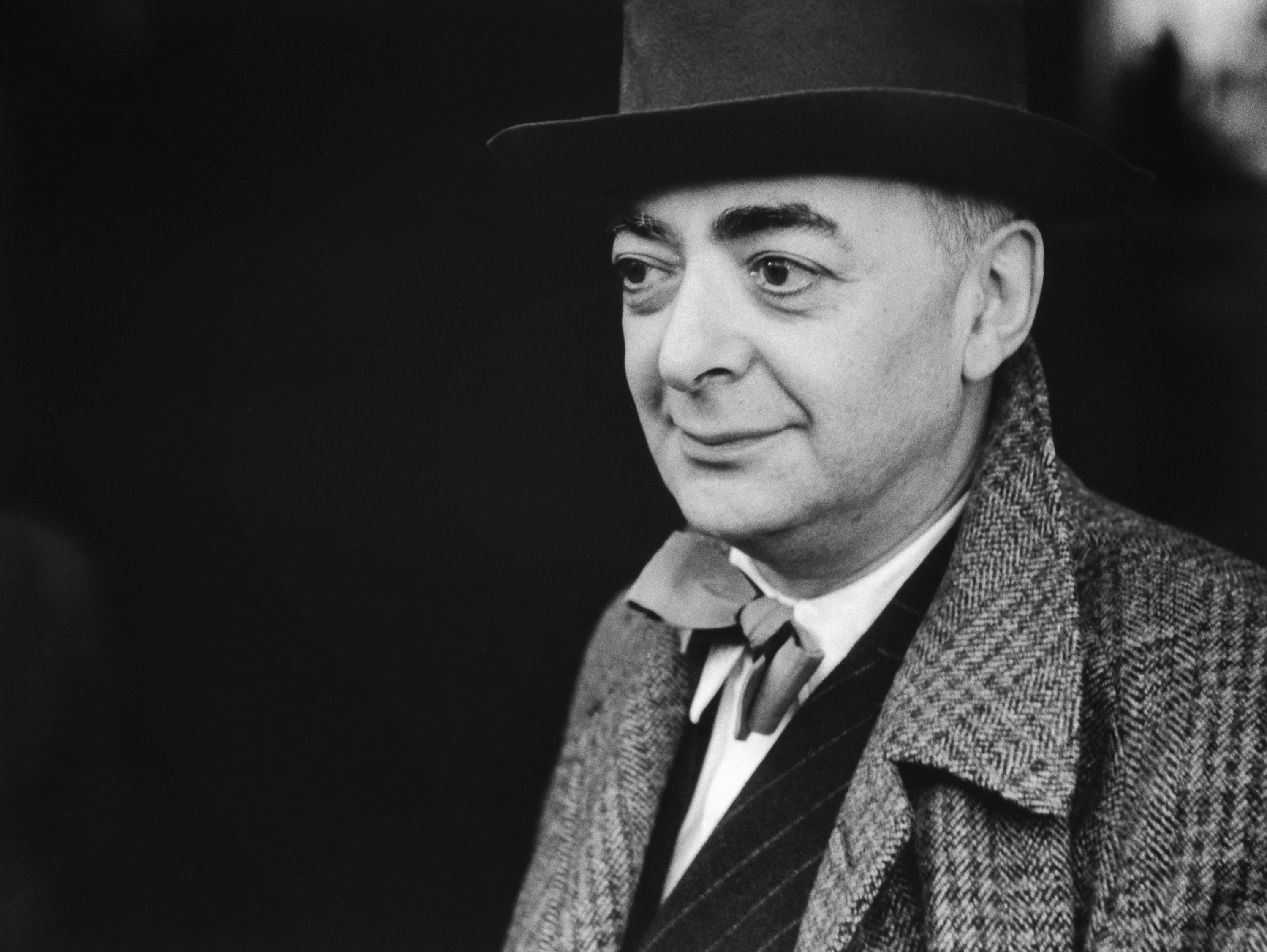
Brassaï (1899–1984) is a pseudonym for Gyula Halász, who grew up in Brassó in Transylvania, then Hungary. After studying in Budapest and Berlin, he moved to Paris at the age of twenty-five. There he became part of the Humanist Photography that emerged during the interwar period. The street and the life that unfolded on the sidewalks and cafes became typical motifs for the genre.
Paris, Portraits and Graffiti
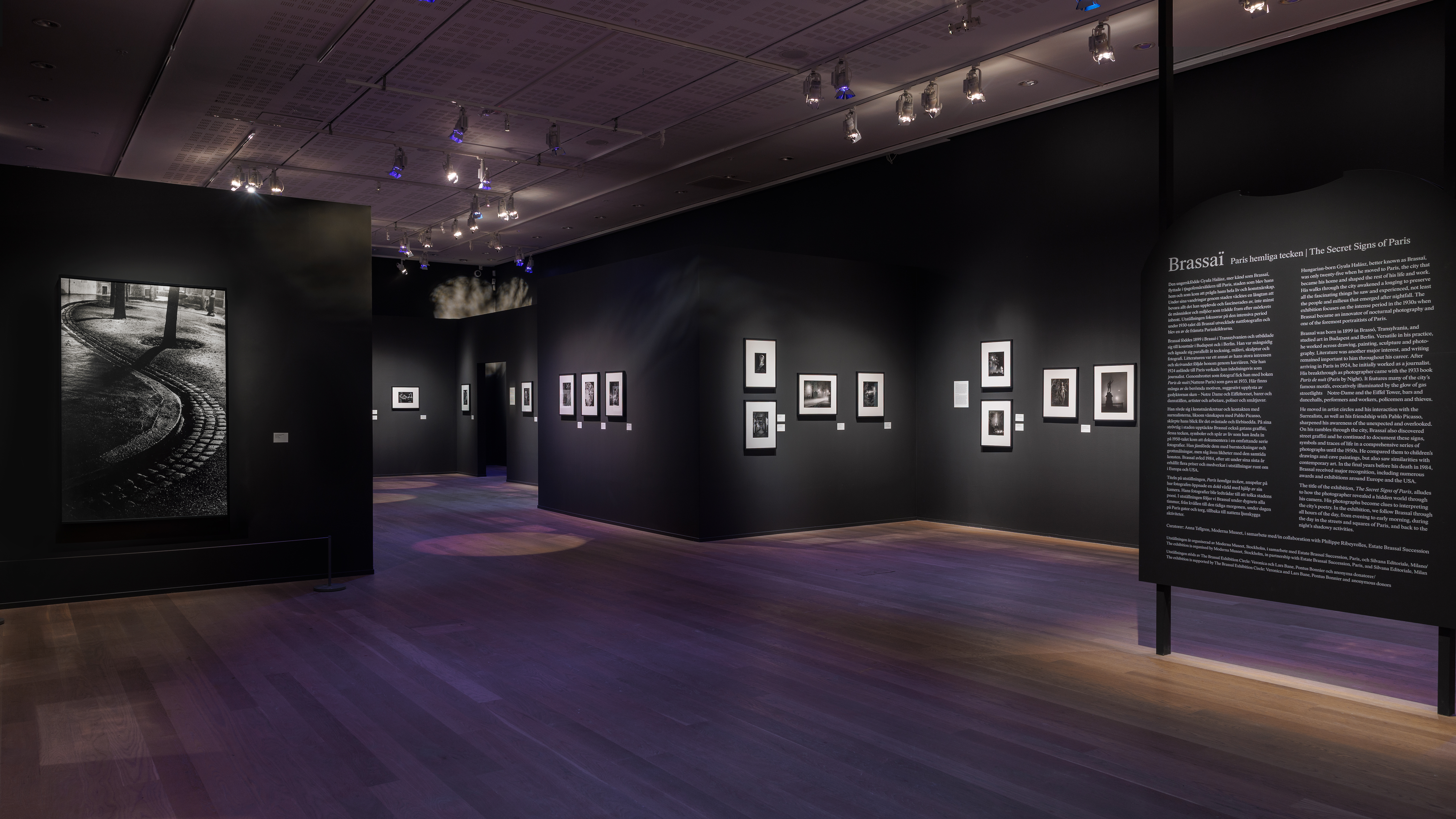
The exhibition “Brassaï – The Secret Signs of Paris” includes more than 160 vinted gelatin silver prints, made by the photographer himself.
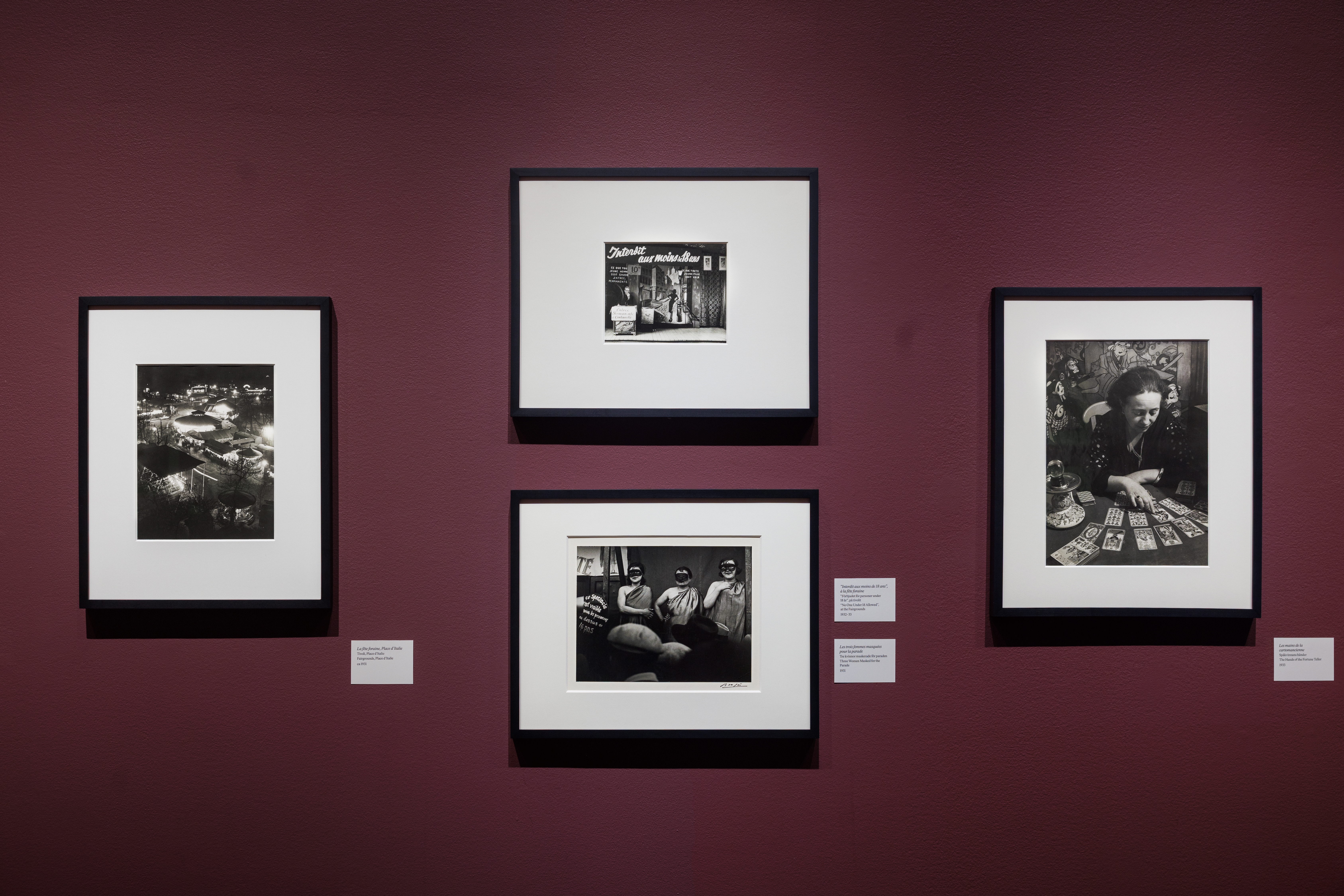
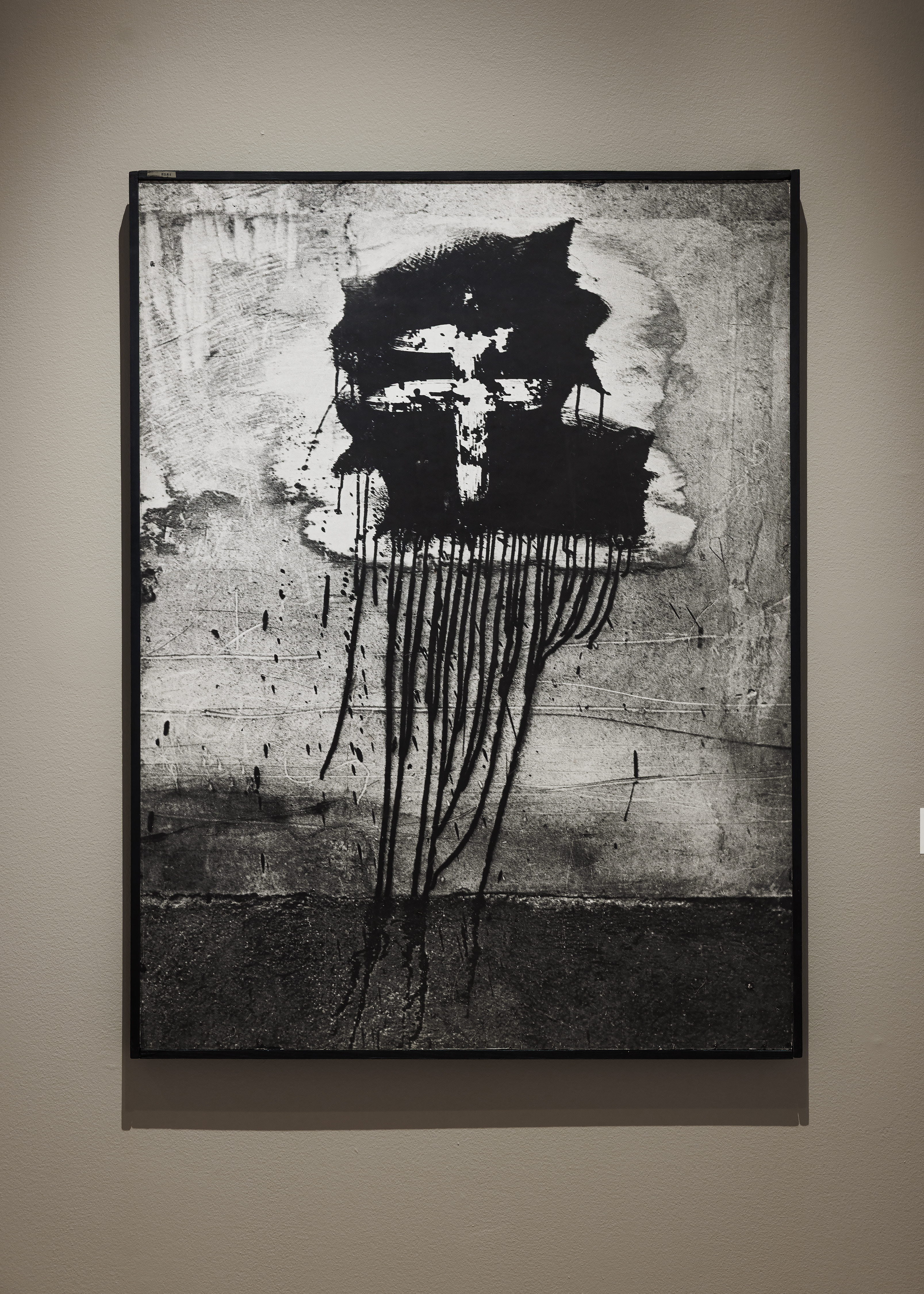
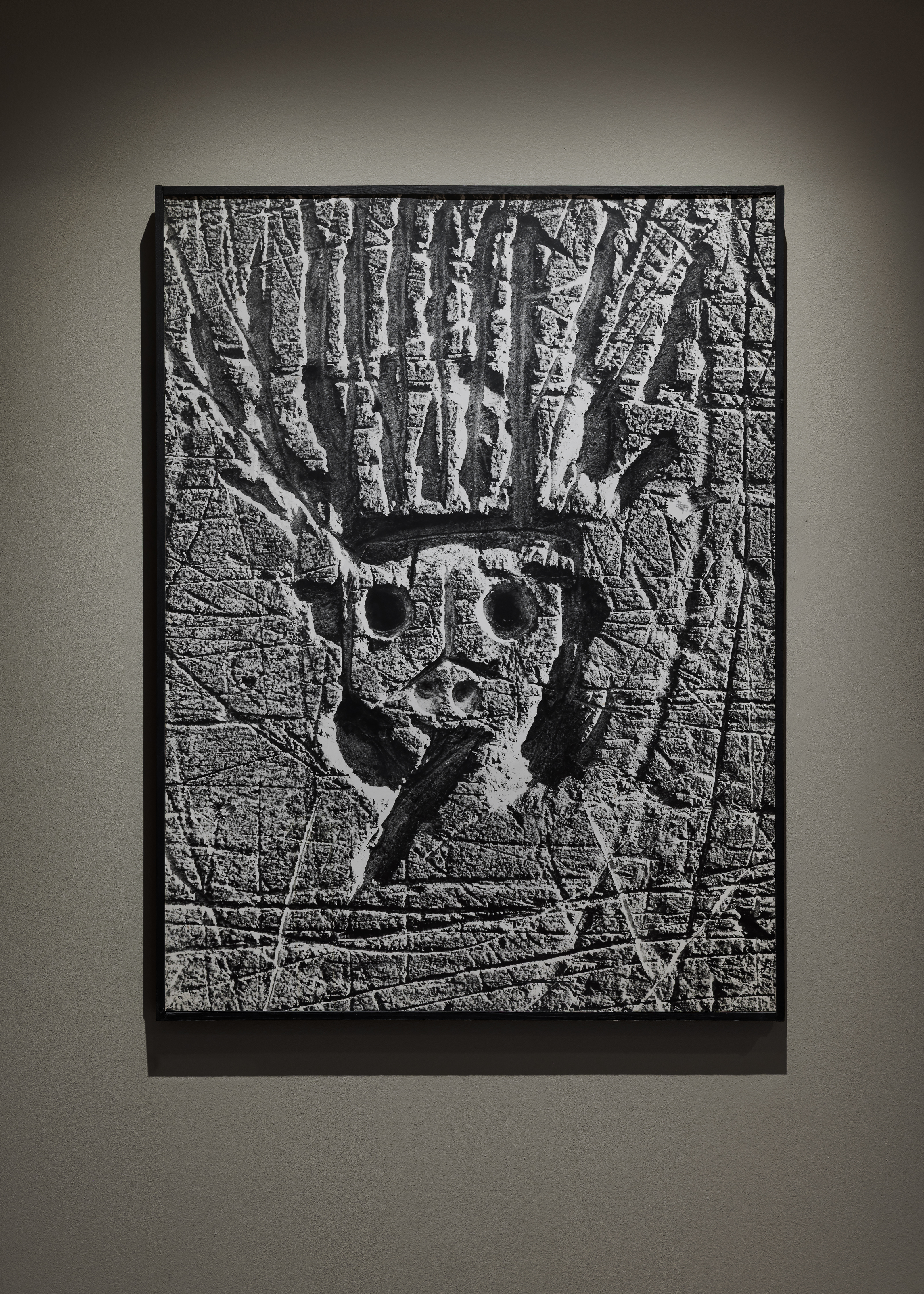
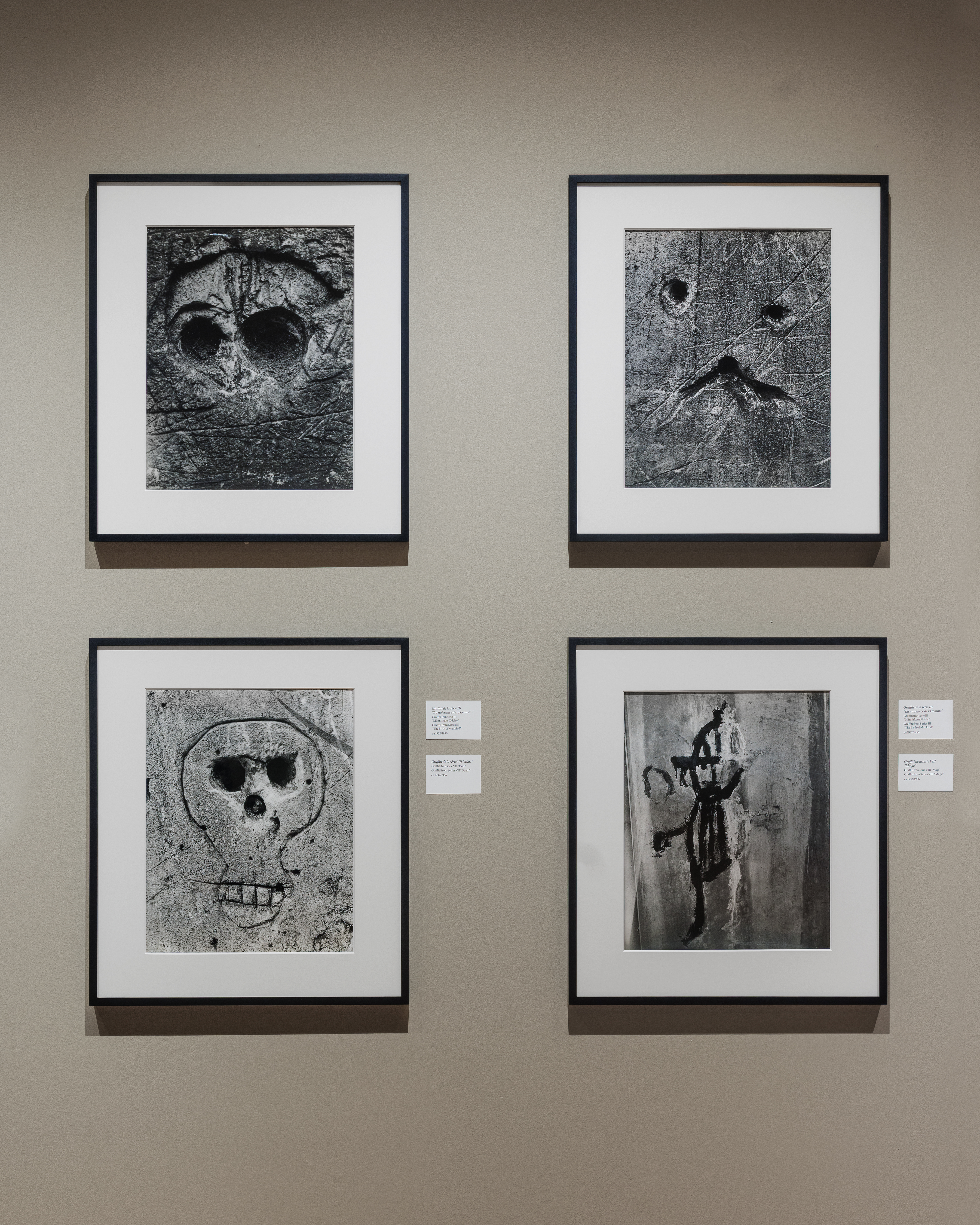
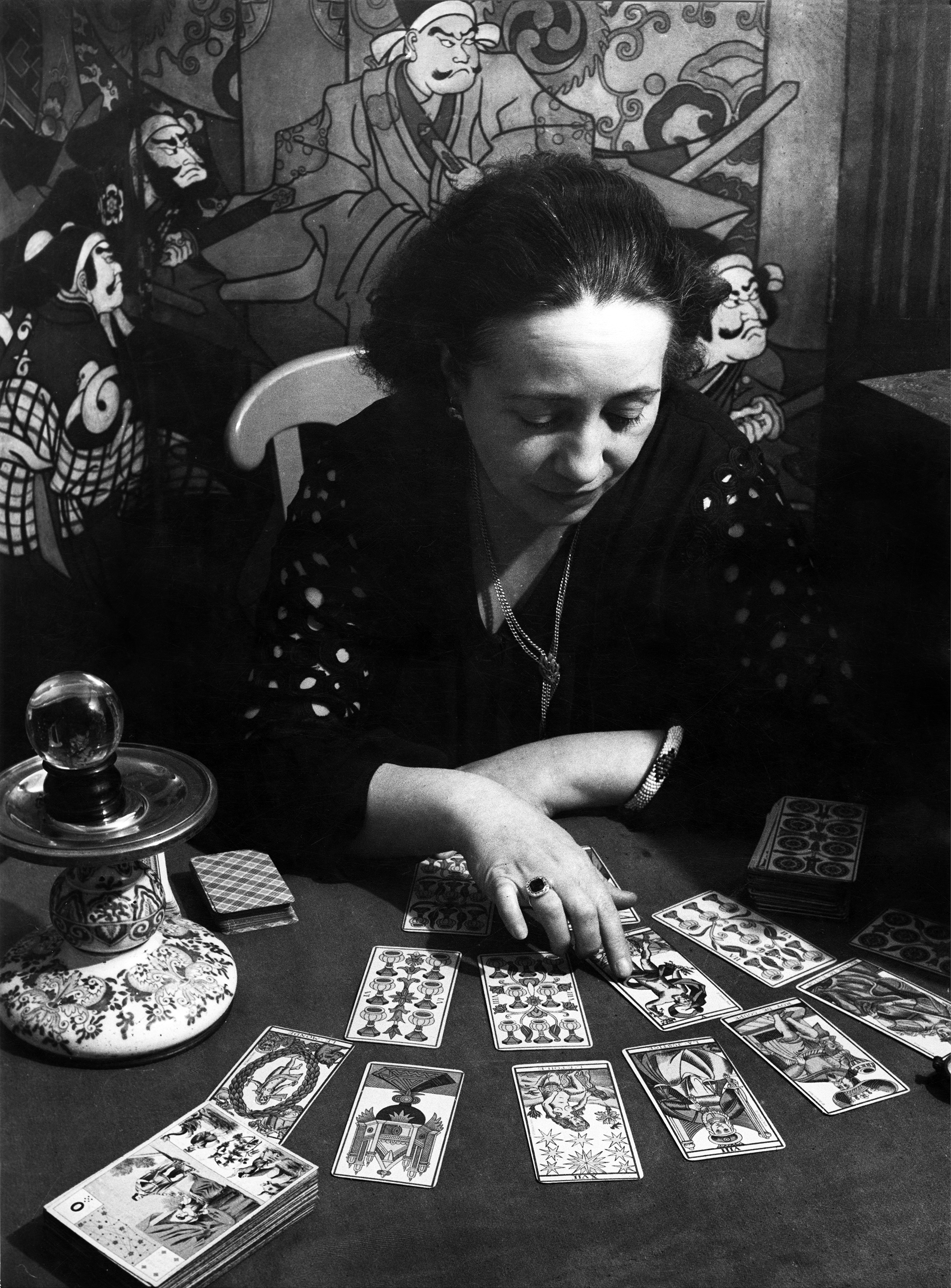
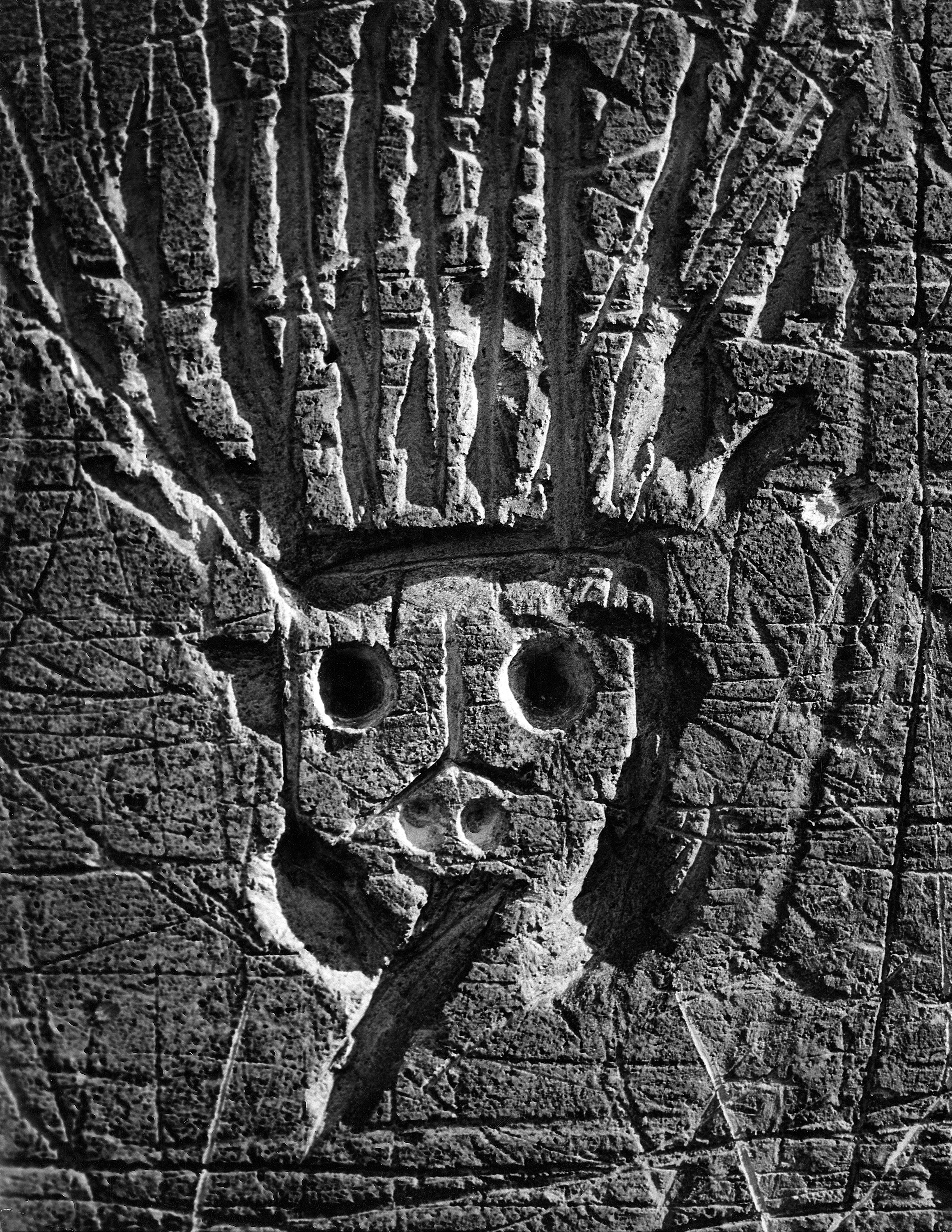
The audience encounters three central themes in Brassaï’s photographic production: the city of Paris with its inhabitants and environments, the portraits of artists and their works, as well as his extensive documentation of the city’s graffiti.
The title of the exhibition alludes to how Brassaï opens up a hidden world with the help of his camera, his curiosity and his artistic practice, curator Anna Tellgren says.
– His photographs invite us to decipher signs – the traces of events and human presence – and to search for the answer to the city’s many mysteries. Here, the extensive series of photographs of graffiti becomes an important part of understanding what Brassaï saw and how he moved in the city. In the exhibition, we follow in his footsteps.
In the exhibition, Brassaï’s short film “Tant qu’il y aura des bêtes” (As long as there are animals) from the mid-1950s is also shown. At the Cannes Film Festival in 1956 it was named the most innovative short film.
The Environments and People of the Night
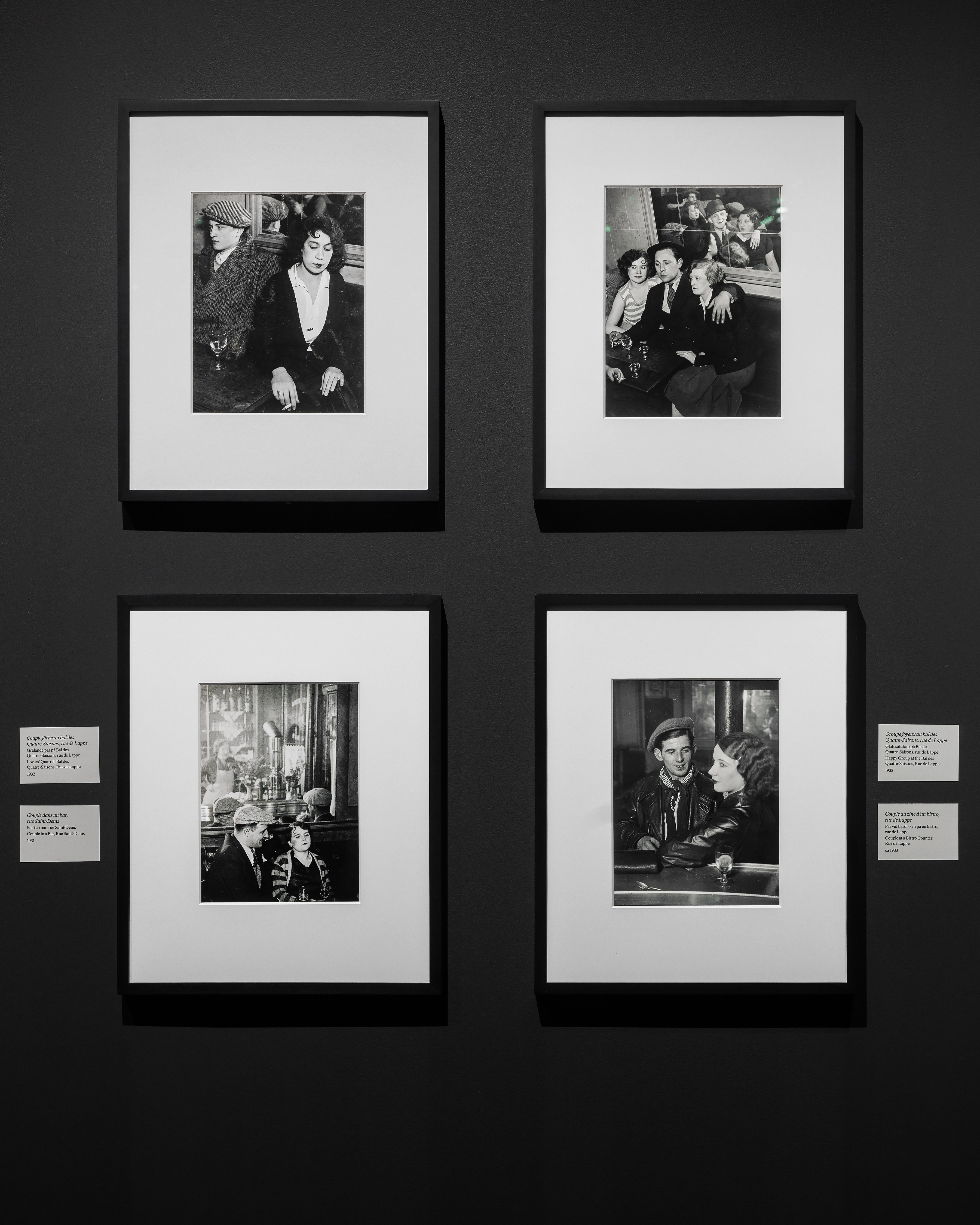
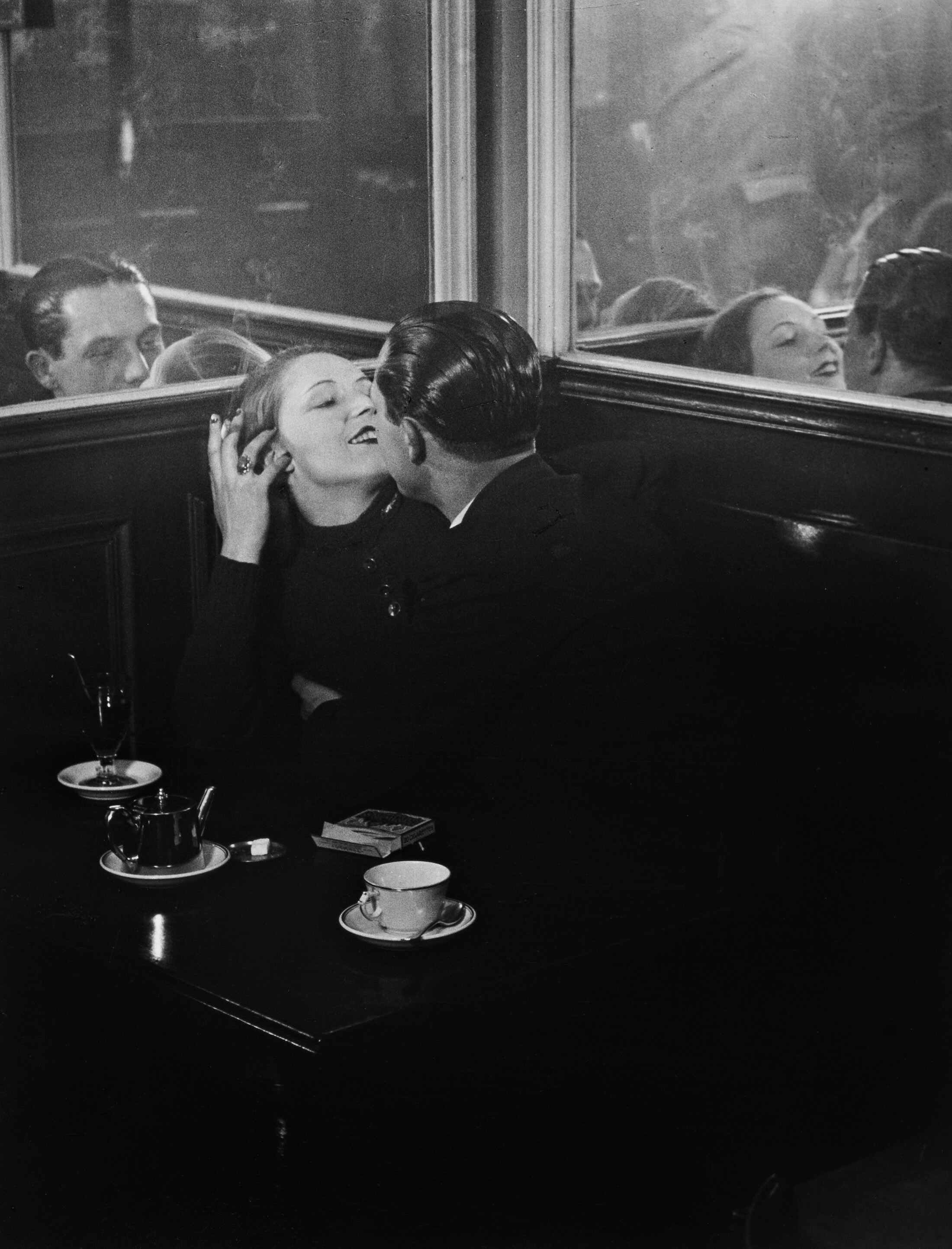
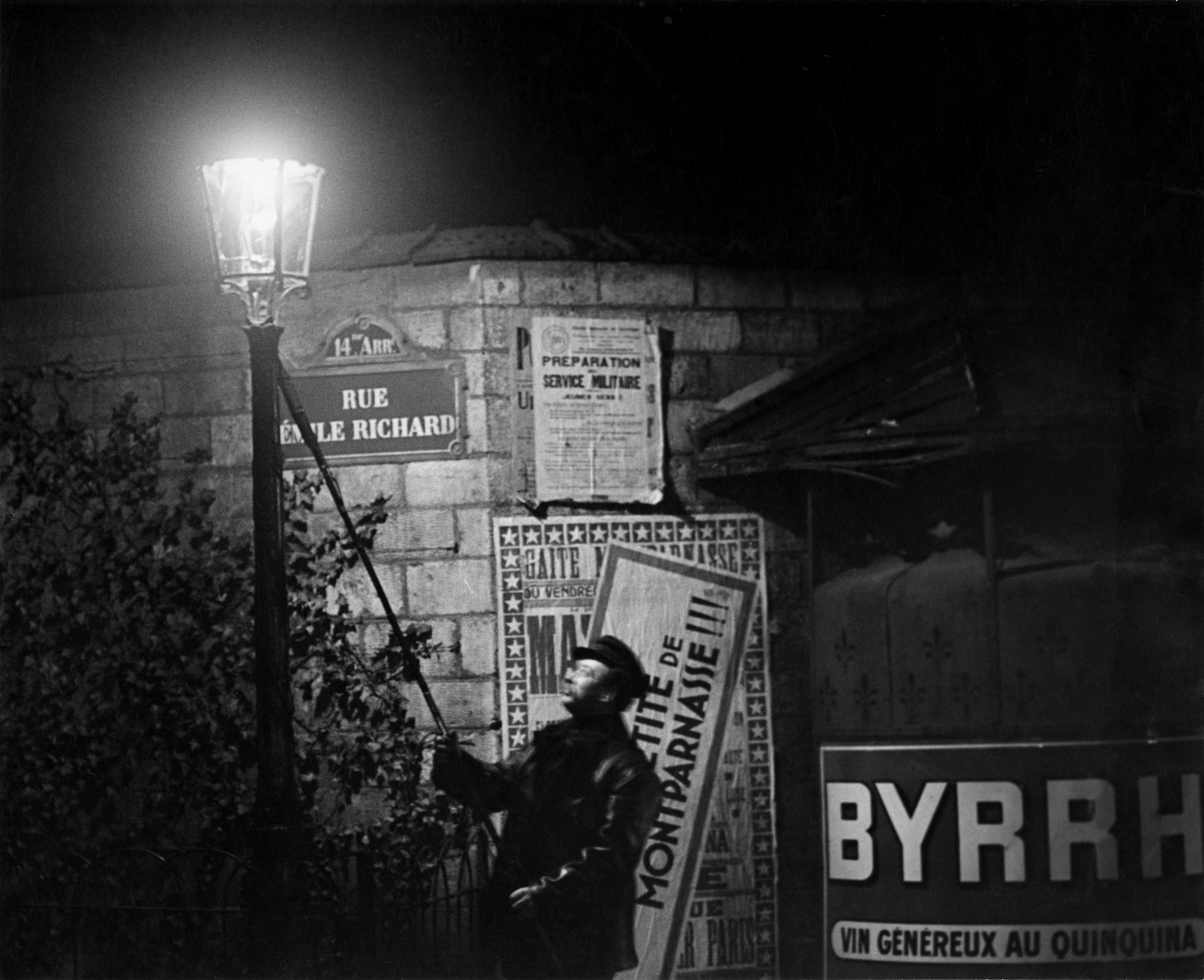
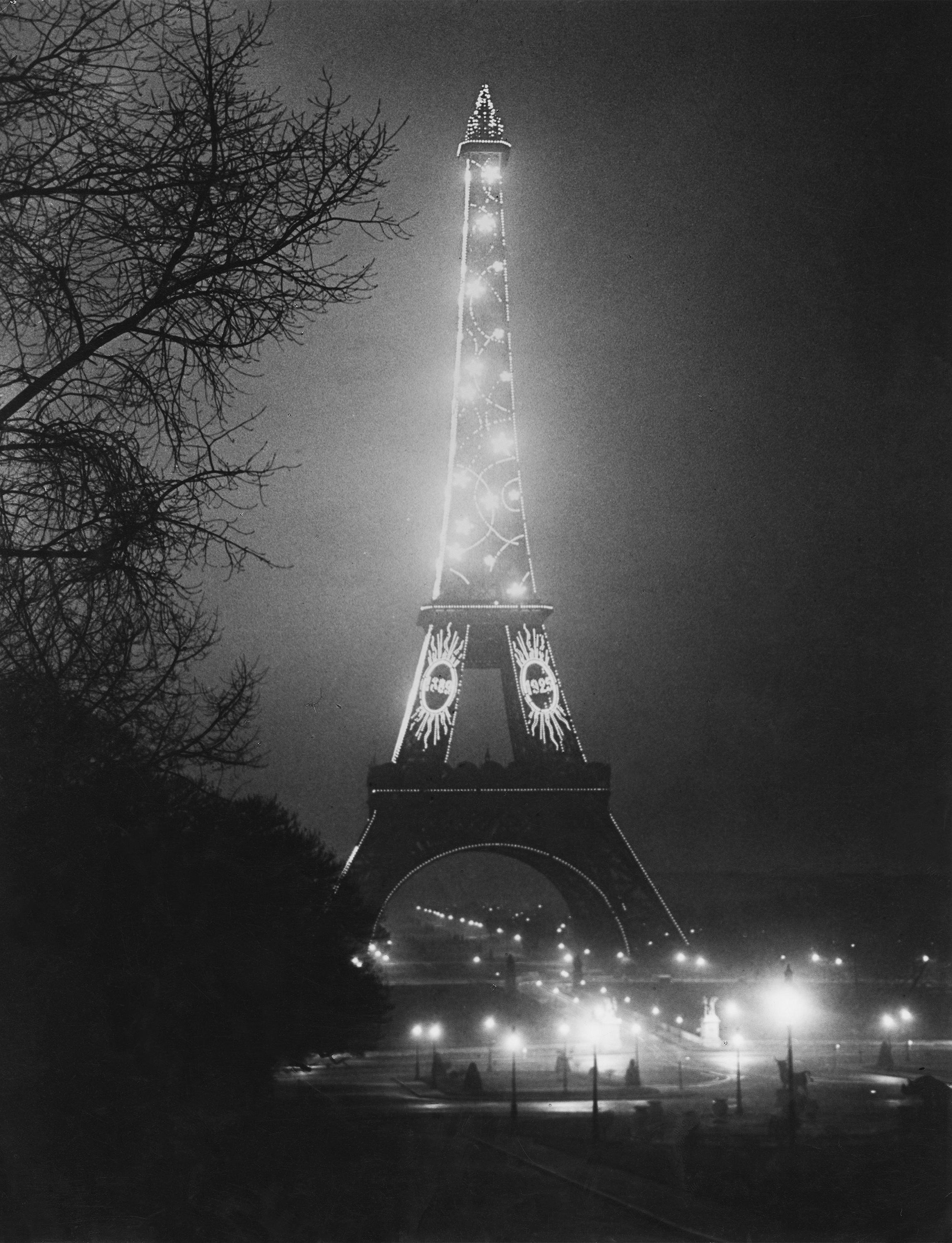
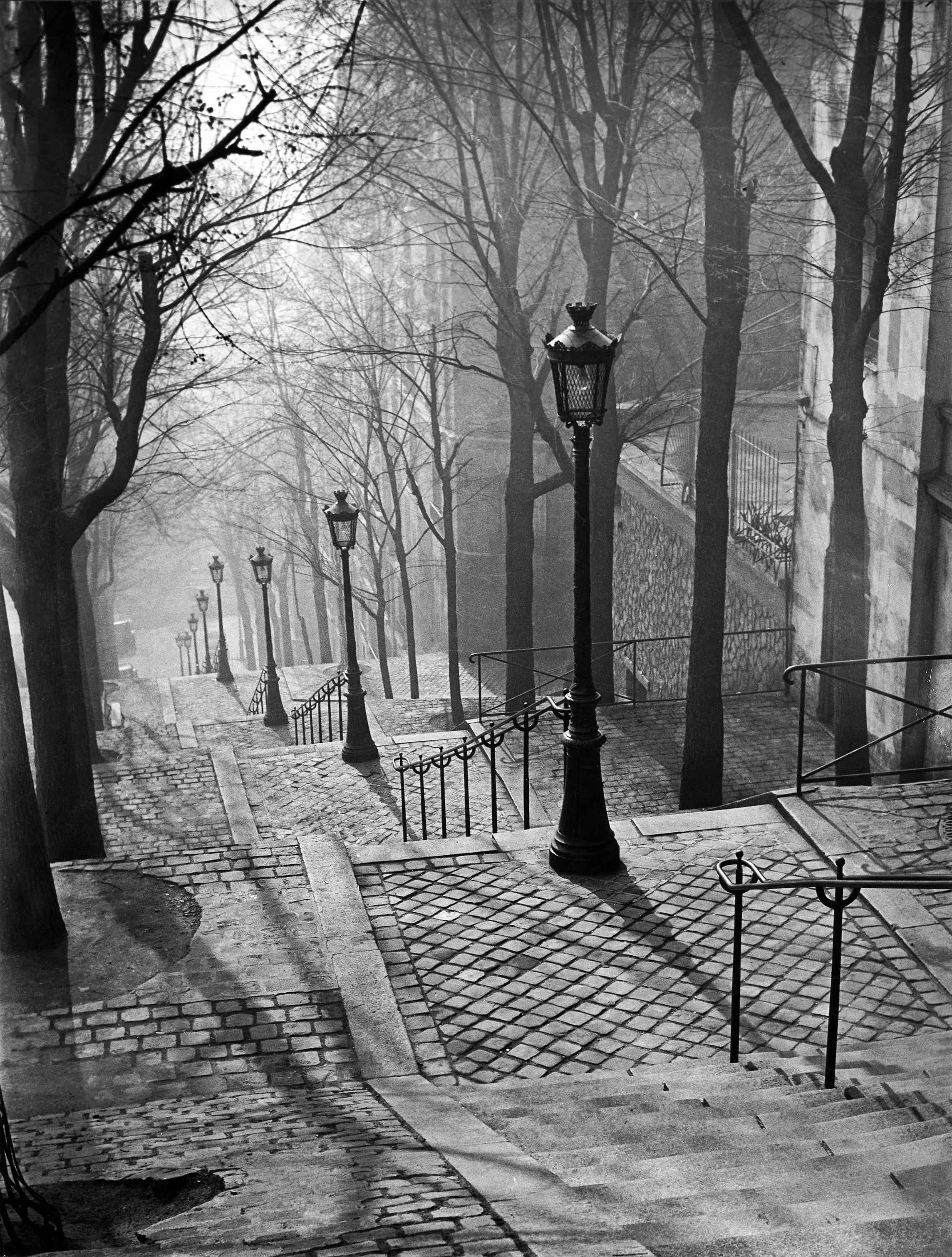
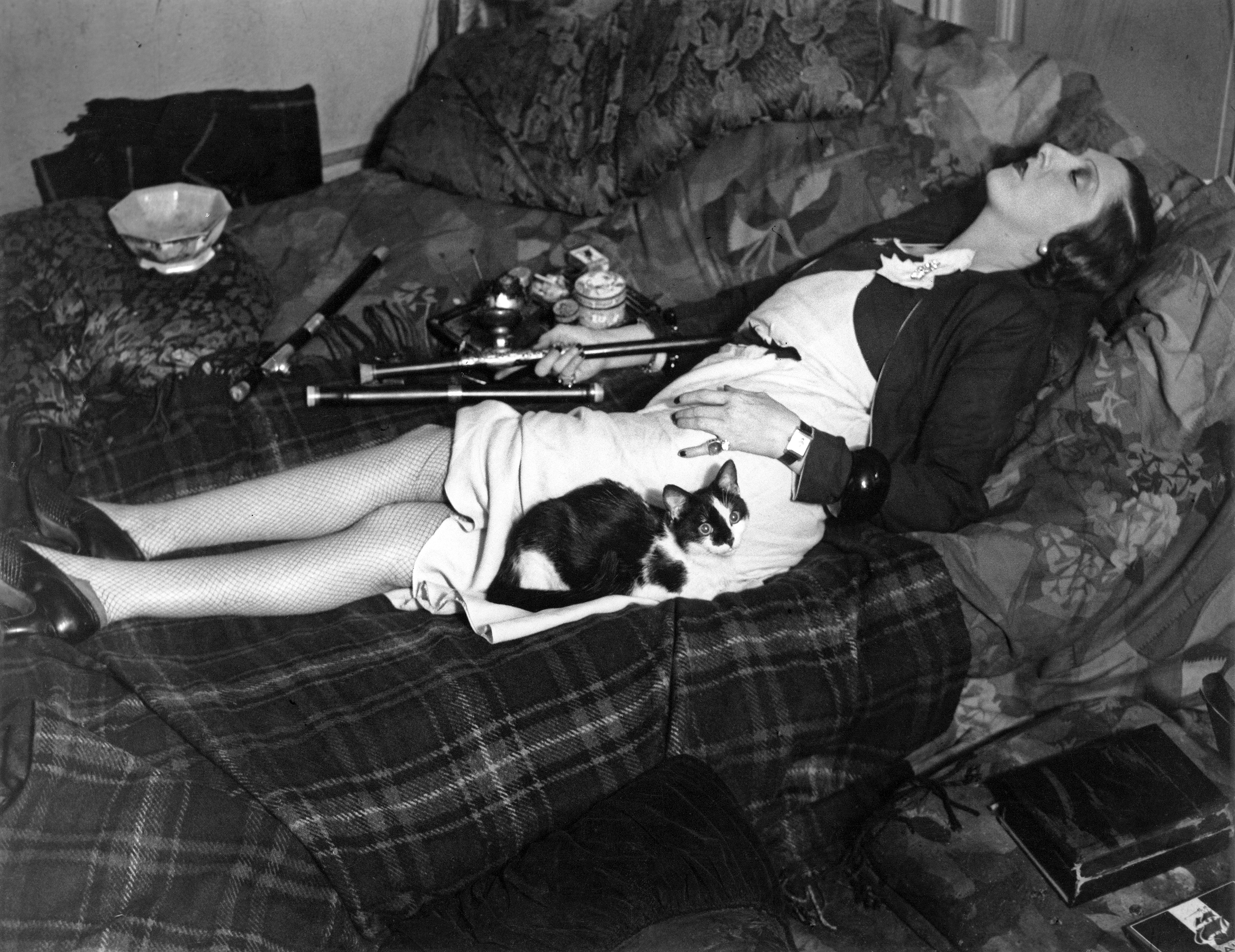
Brassaï’s major breakthrough as a photographer came with the book “Paris de nuit” (“Paris by Night”), published in 1933. The black-and-white photographs with motifs in soft tones were the result of his long nocturnal walks through Paris – a city in transition between history and modernity. His camera lens captures environments and people in the light of street lamps and the light falling from the city’s most characteristic buildings.
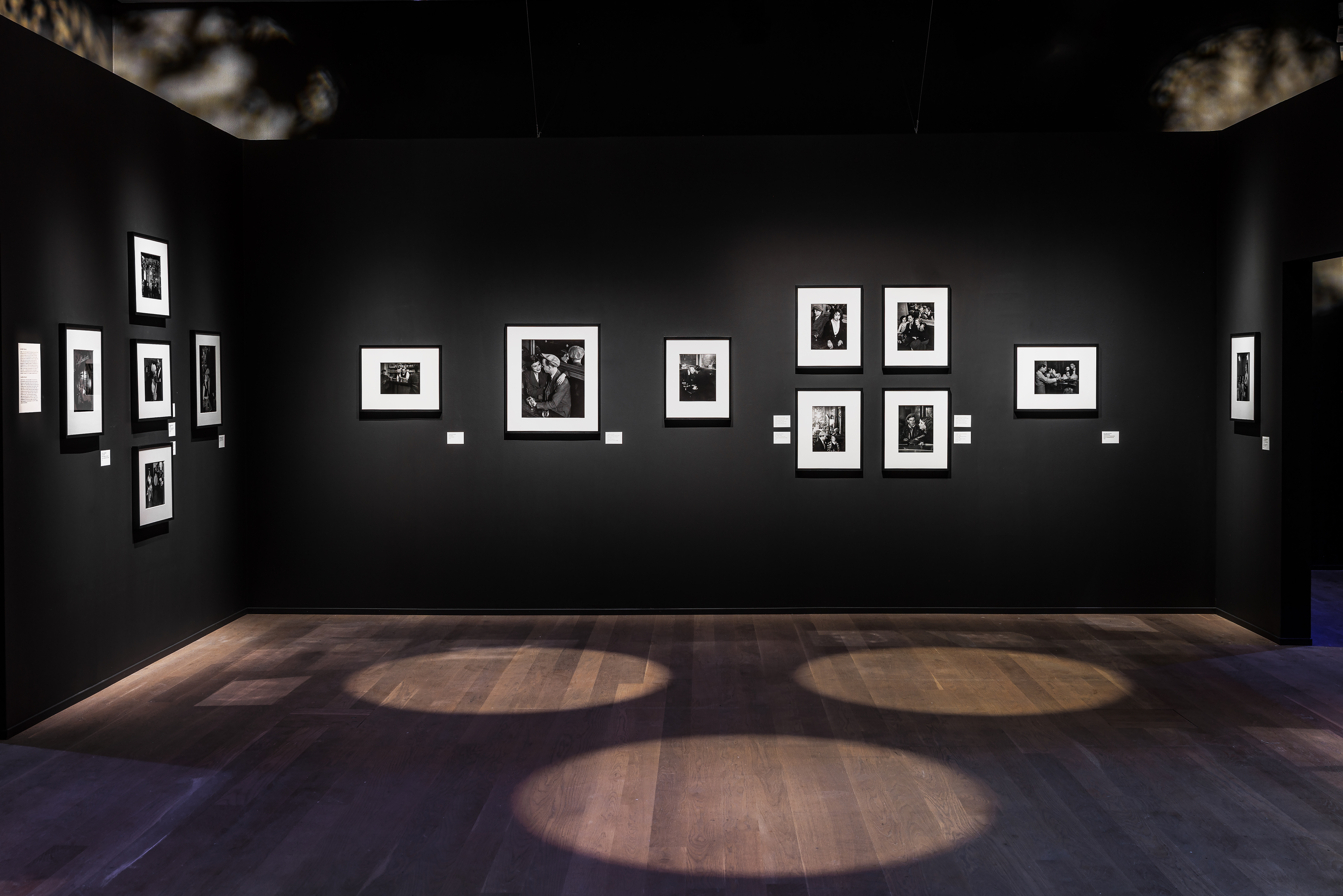
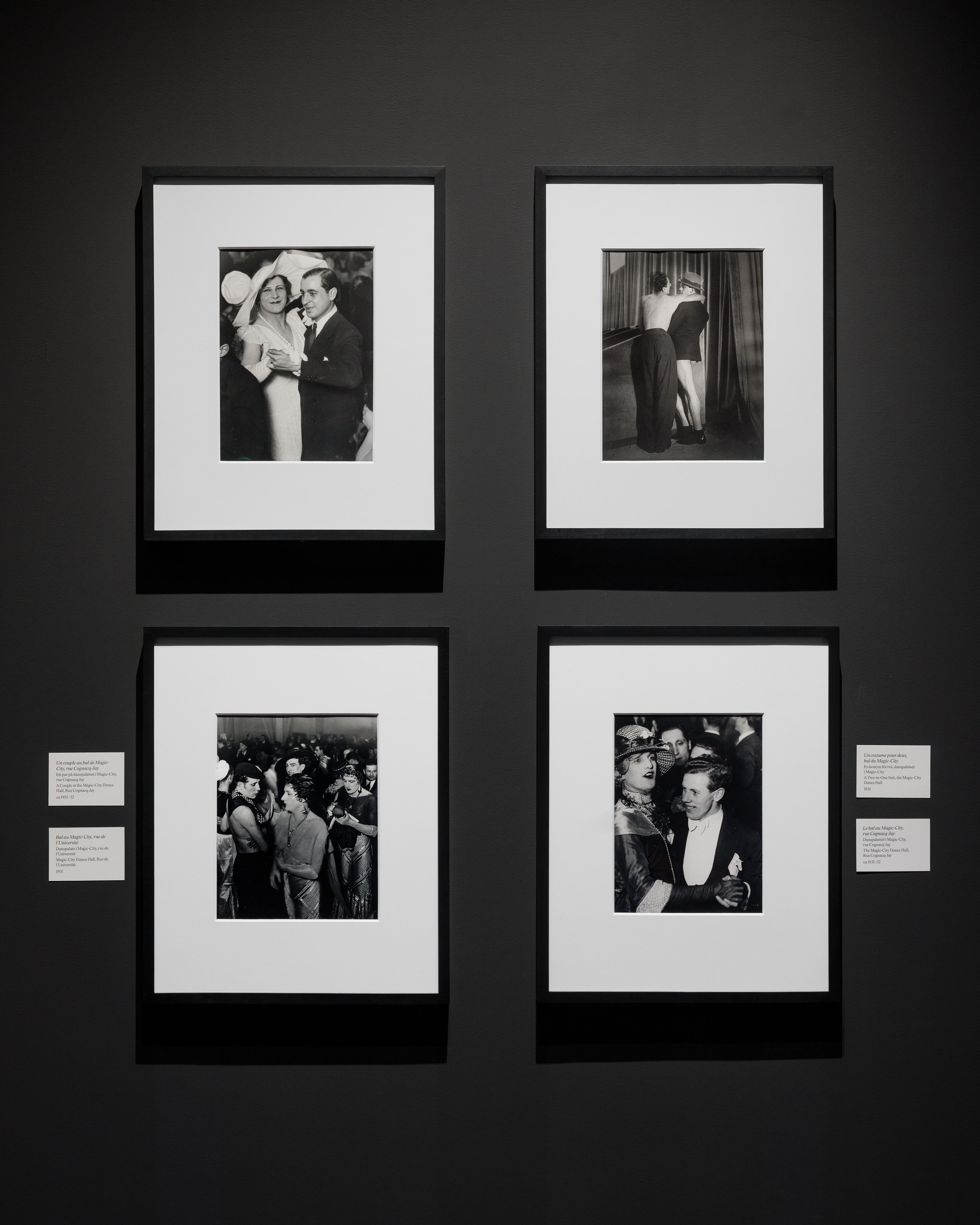
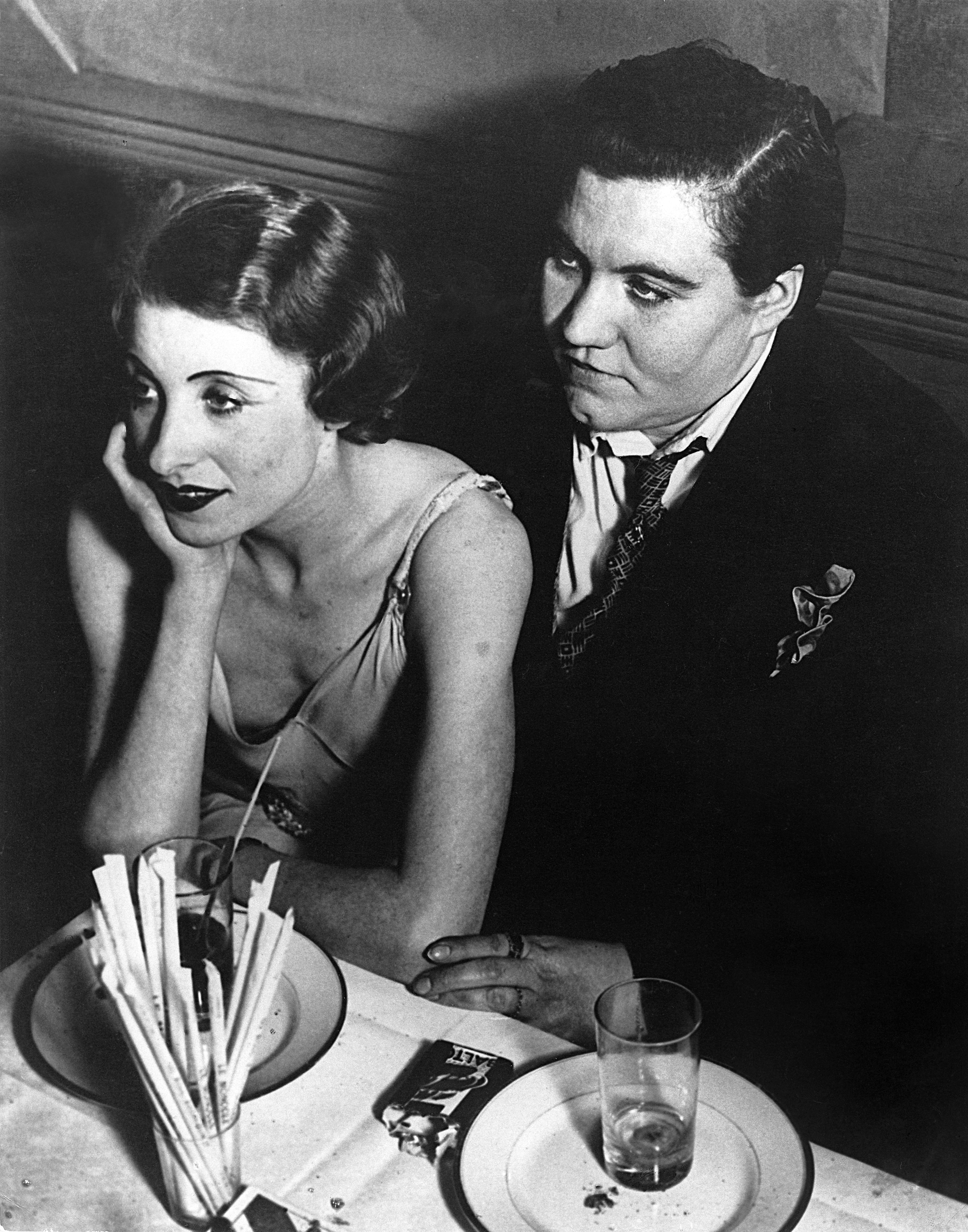
After the success of “Paris de nuit”, Brassaï received requests to publish the material that includes his more intimate photographs of Paris by night – the bars, dance halls, gay clubs and brothels. But at that time, in post-war Paris, censorship had become stricter and publication had to wait.
It was not until about forty years later, in 1976, that the book “Le Paris secret des années 30” (The Secret Paris of the 30’s, 1976) was published, based on Brassaï’s large collection of photographs. In the book, he himself wrote and told the stories behind the images and about the personalities he had met and portrayed.
The exhibition is shown on Floor 2
Curator: Anna Tellgren, Moderna Museet, in collaboration with Philippe Ribeyrolles, Estate Brassaï Succession.
The exhibition is organised by Moderna Museet, Stockholm in partnership with Estate Brassaï Succession, Paris and Silvana Editoriale, Milan.
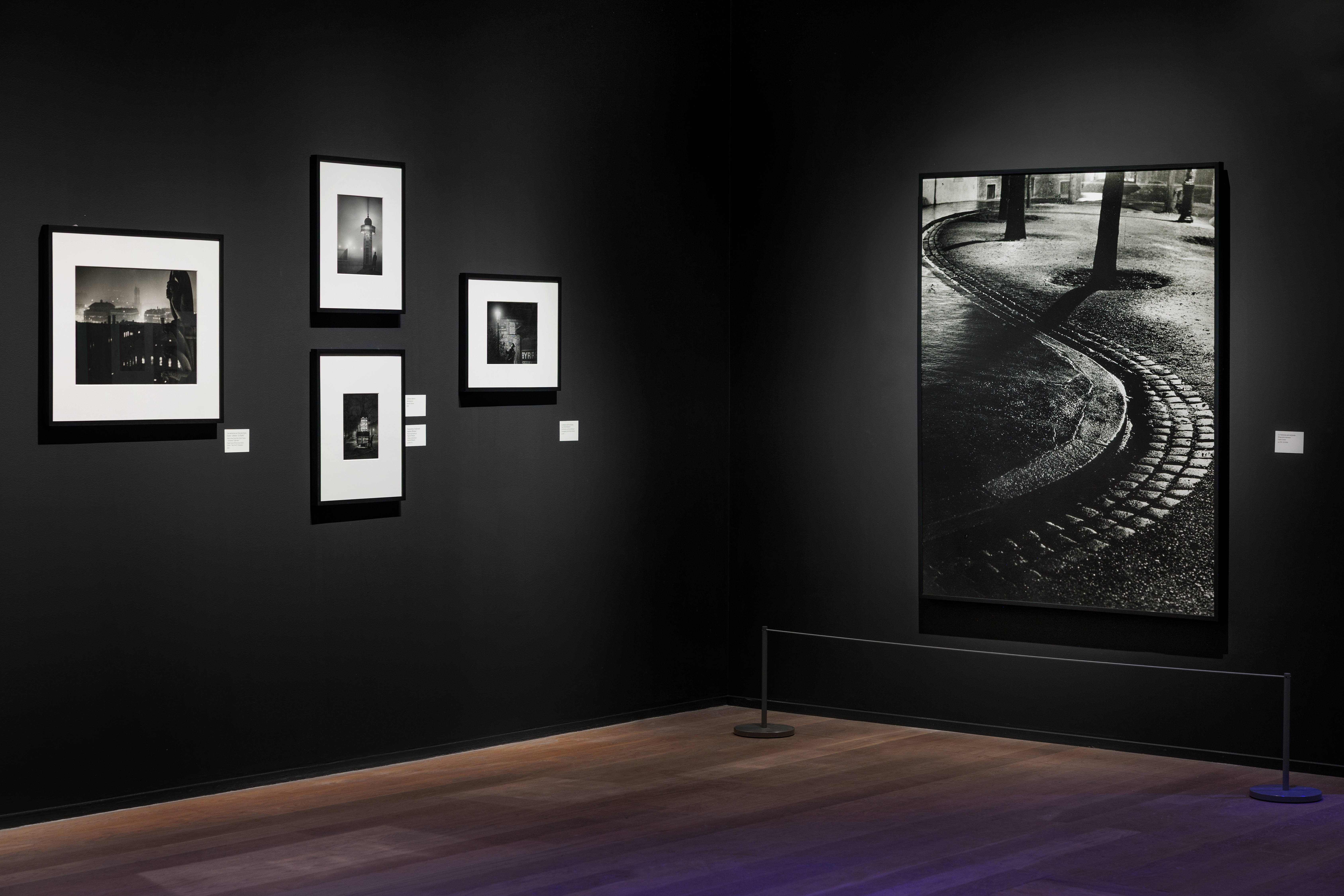
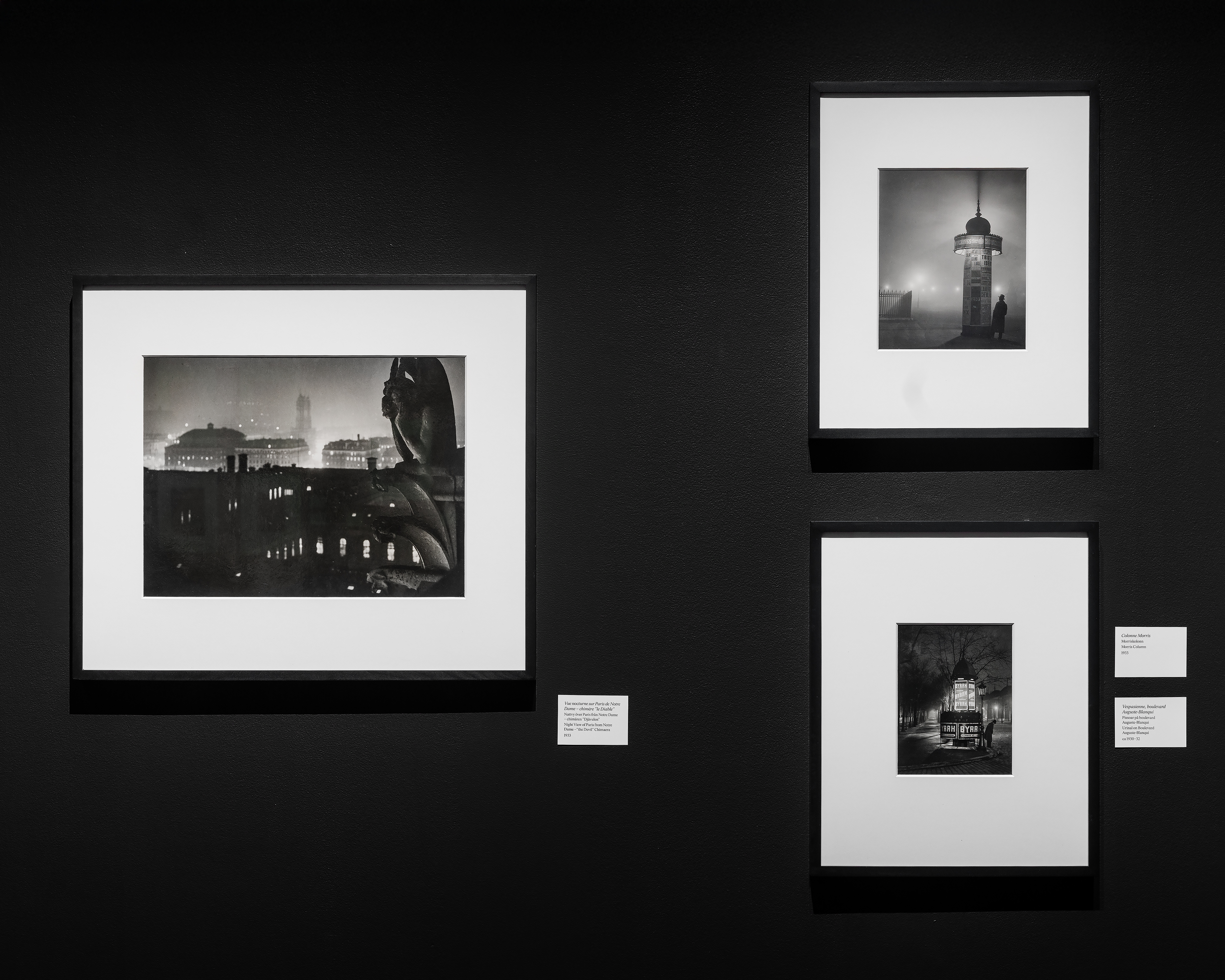
Colonne Morris (Morris Column), 1933.
Vespasienne, boulevard Auguste-Blanqui (Urinal on Boulevard Auguste-Blanqui), 1930–32.
© Estate Brassaï Succession – Philippe Ribeyrolles 2026. Photo: My Matson/Moderna Museet.
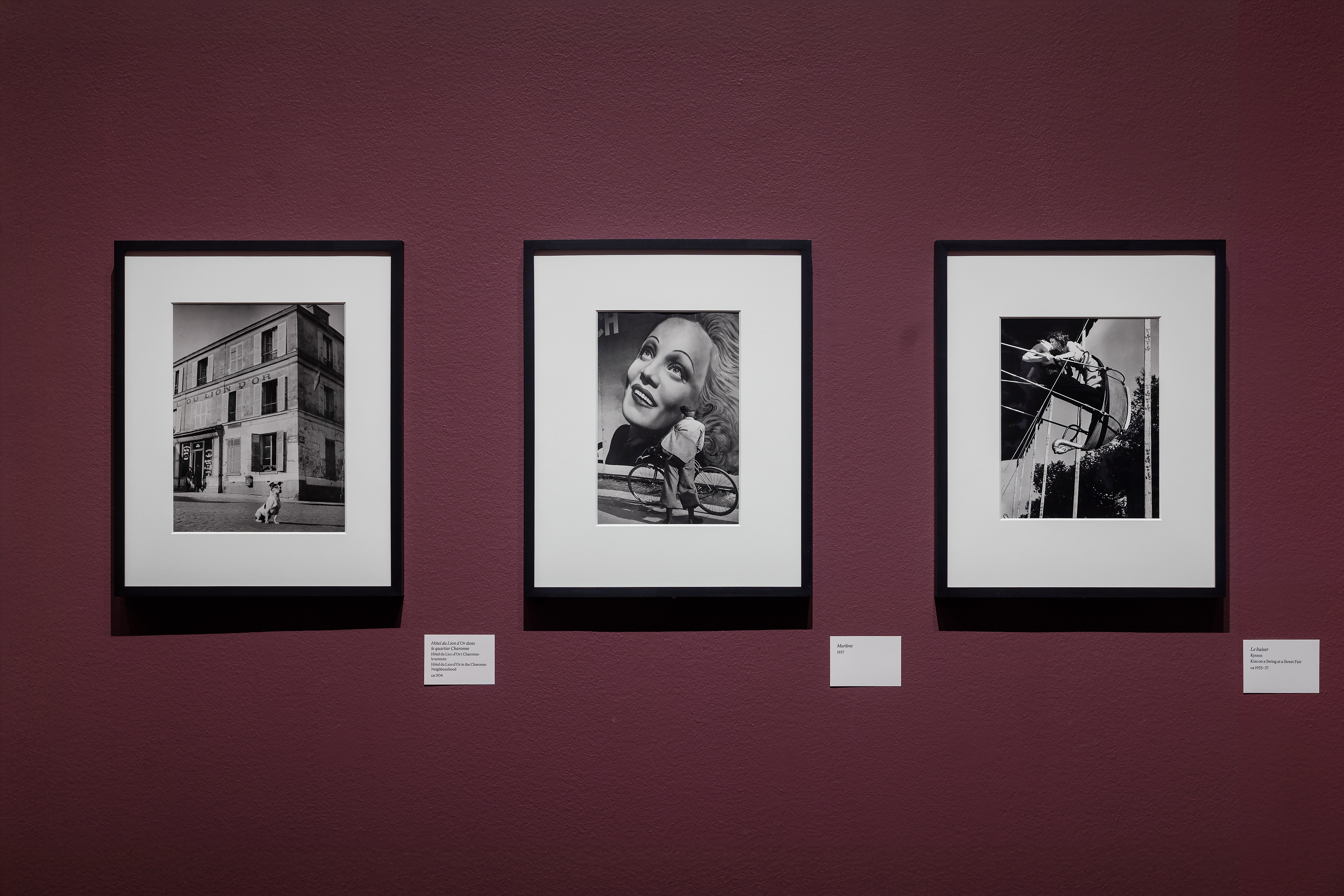
Marlène, 1937.
Le baiser (Kiss on a Swing at a Street Fair), ca 1935–37.
© Estate Brassaï Succession – Philippe Ribeyrolles 2026. Photo: My Matson/Moderna Museet.
© Hans Hammarskiöld Heritage