
Photo: Åsa Lundén/Moderna Museet
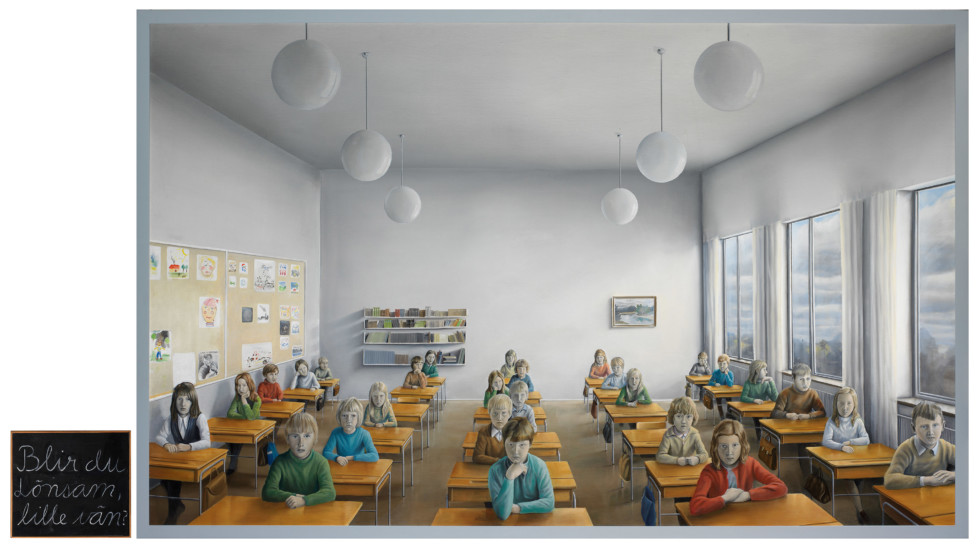
Will You Be Profitable, Little Friend?
Swedish Art 1945–1979 in the Moderna Museet collection
Stockholm, 13.6 2026 – 16.1 2028
The Moderna Museet collection contains a strong representation of Swedish art from the post-war period. The exhibition “Will You Be Profitable, Little Friend?” highlights the diversity of artistic expressions and moods that characterised the era, when Swedish society and the surrounding world were changing at a rapid pace.
Experiments and social commentary
Among the participating artists are Carl Johan De Geer, Siri Derkert, Öyvind Fahlström, Staffan Hallström, Åke Karlung, Eva Klasson, Beth Laurin, Evert Lundquist, Lennart Rodhe, Ulrik Samuelson, P O Ultvedt, Ulla Wiggen and Barbro Östlihn.
A key work in the exhibition is P O Ultvedt’s newly renovated “Manhattan Twenty Years Later” (1963–1983), a mechanical installation with motors and a coin slot.
Matilda Olof-Ors, curator of the exhibition, describes the range of artistic expressions:
– Some artists delve into formal experimentation and abstraction during this period. Others explore inner and outer worlds or use fiction as a way to comment on the contemporary world. The focus is also on power relations and norms, as well as on the possibilities of art to change society.
A contradictory time and social commentary
The works in the exhibition were created in a contradictory time: after the end of the Second World War, Swedish artists were once again able to travel the world and gain new impressions. Swedish society was rapidly modernising, and the vision of the welfare state and the People’s Home was largely realised. Over time, optimism turned into a more complex reality, with the arms race between the superpowers the United States and the Soviet Union, as well as many social and political issues that required a stance.
Matilda Olof-Ors continues:
– A need for new ways of understanding and representing the world arises here. In art, there is a noticeable impatience with established traditions, and many Swedish artists are influenced by international currents – but make them clearly their own.
The exhibition “Will You Be Profitable, Little Friend?” follows on from the story of Swedish art that Moderna Museet began with “Pink Sails – Swedish Modernism in the Moderna Museet collection” which opened in June 2023, also with Matilda Olof-Ors as curator.
“Will You Be Profitable, Little Friend?” is part of the series of thematic exhibitions of the Moderna Museet collection. These presentations explore different narratives in art history, replacing the previous chronological format. Together, the exhibitions highlight art from the 20th century to today, reflecting the whole range of the Moderna Museet collection.
To the full-length press release (PDF)
Note. More press images to come.
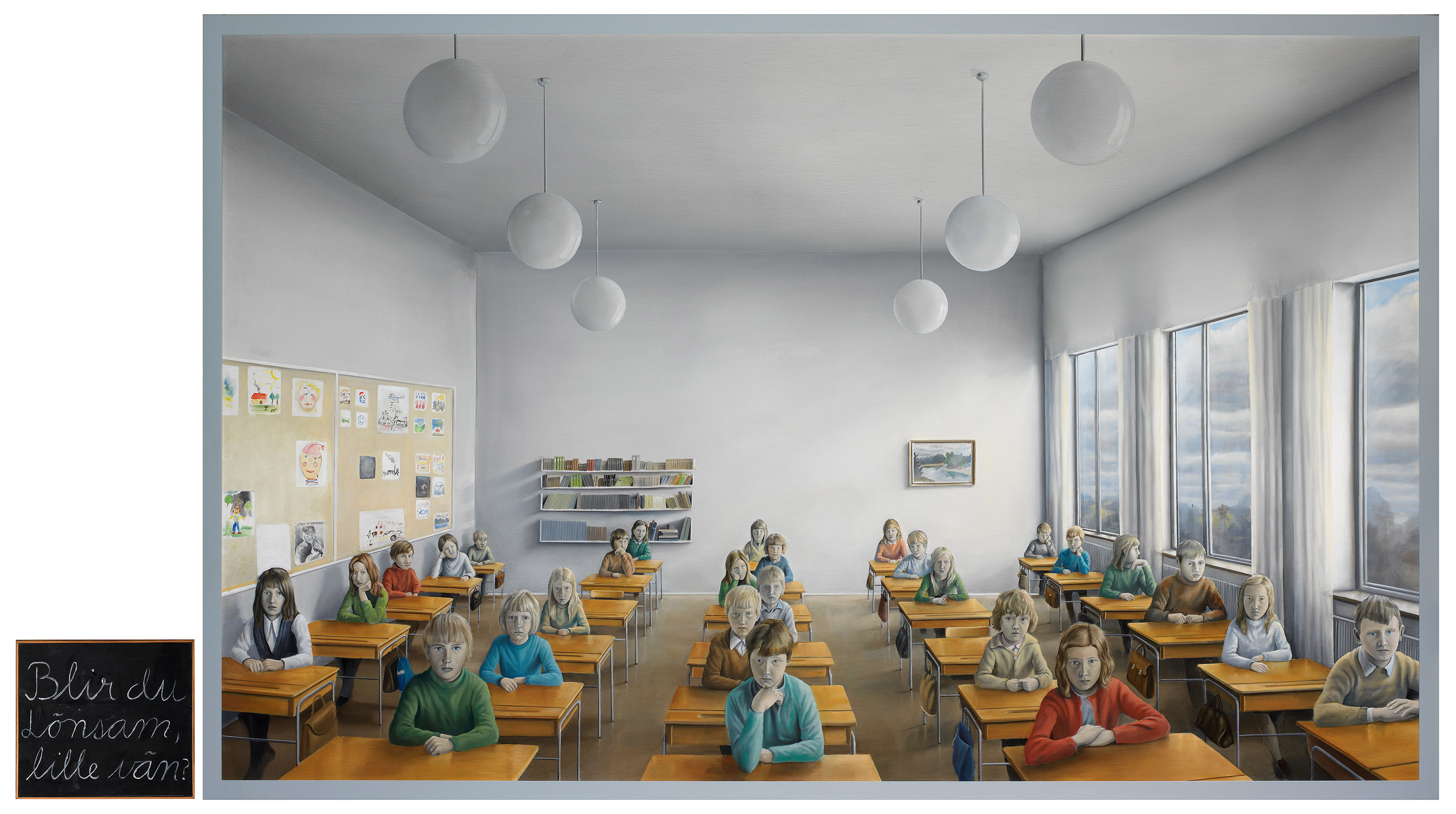
Photo: Åsa Lundén/Moderna Museet
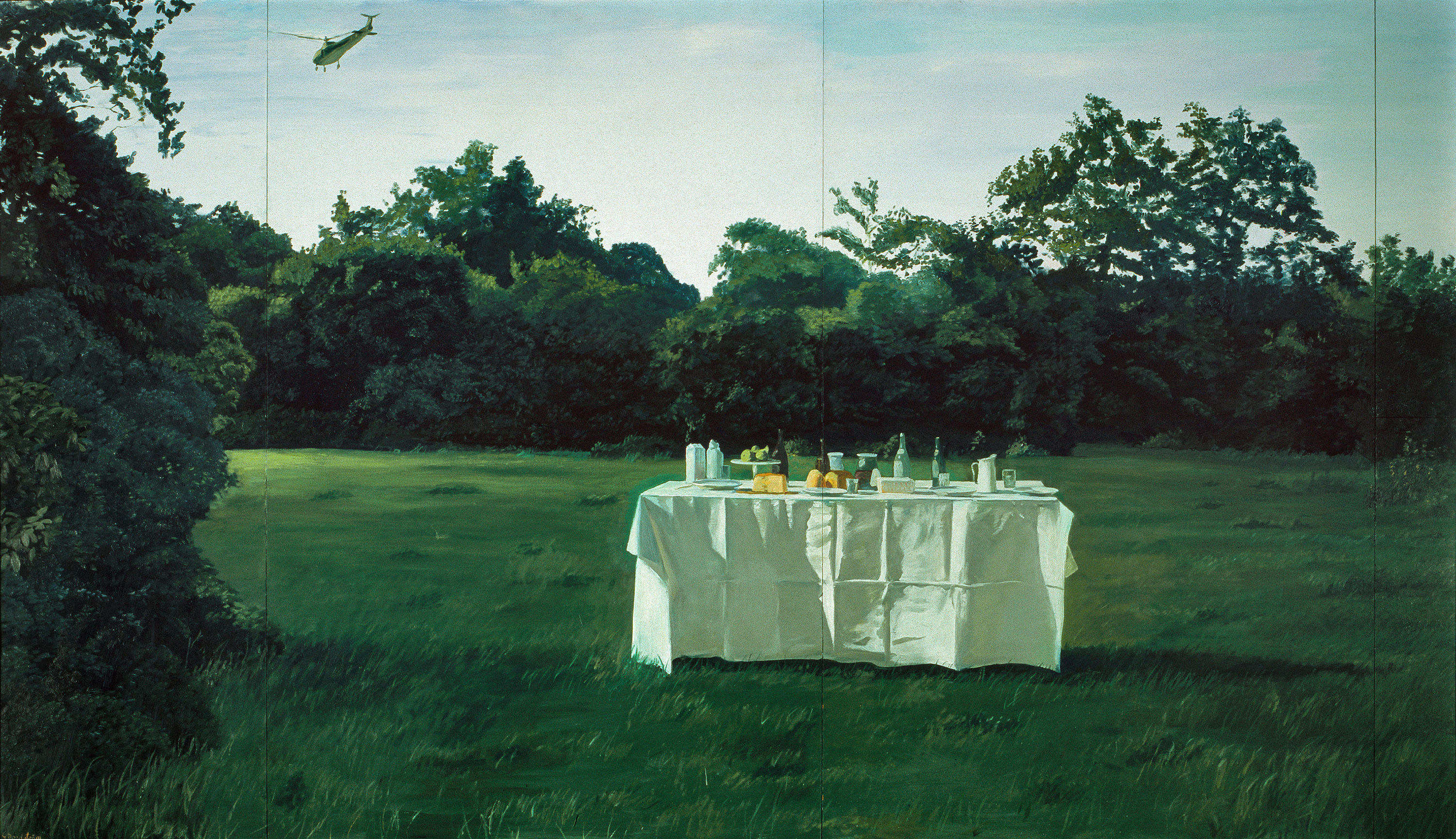
Photo: Moderna Museet
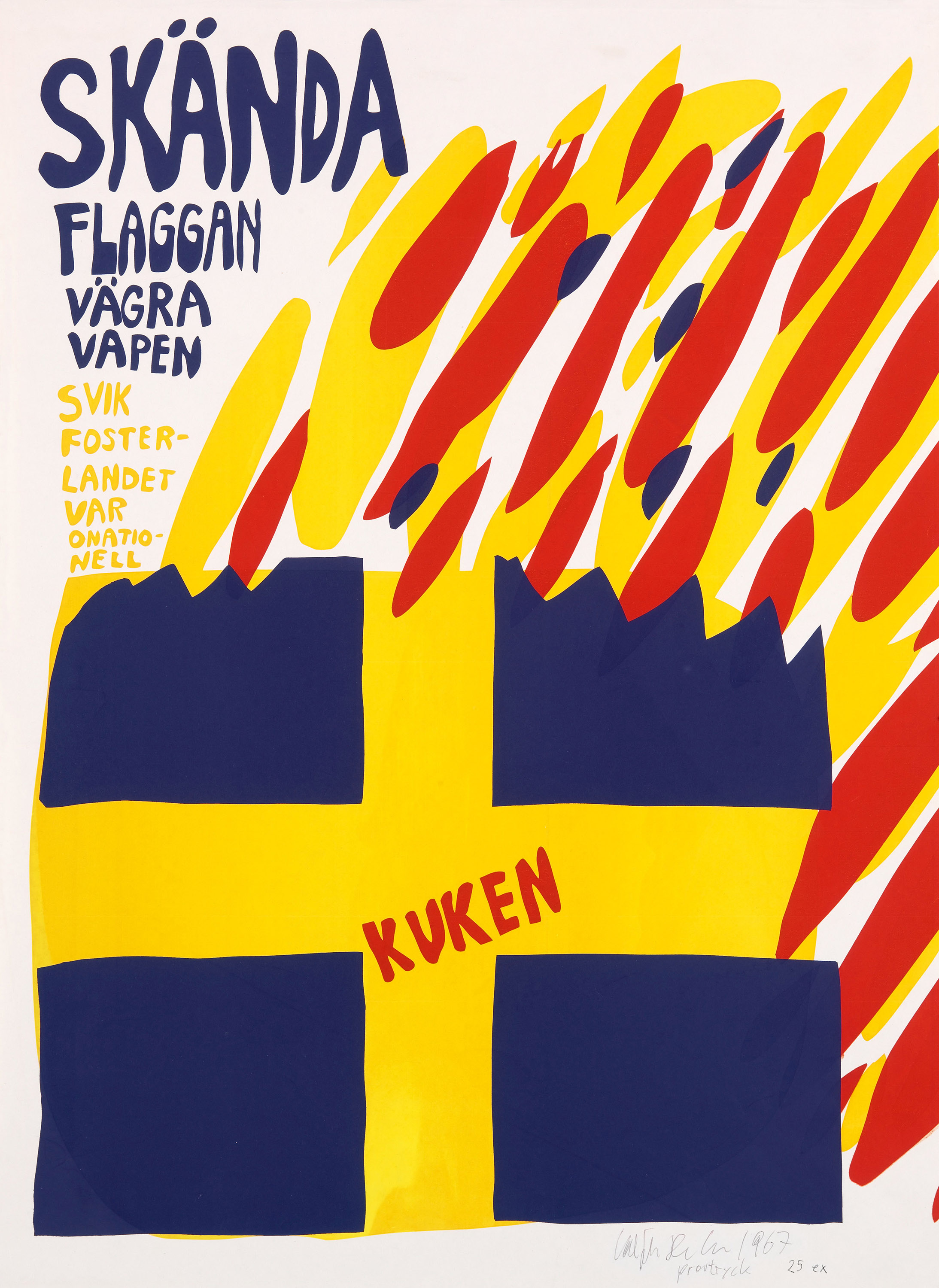
Photo: Åsa Lundén/Moderna Museet
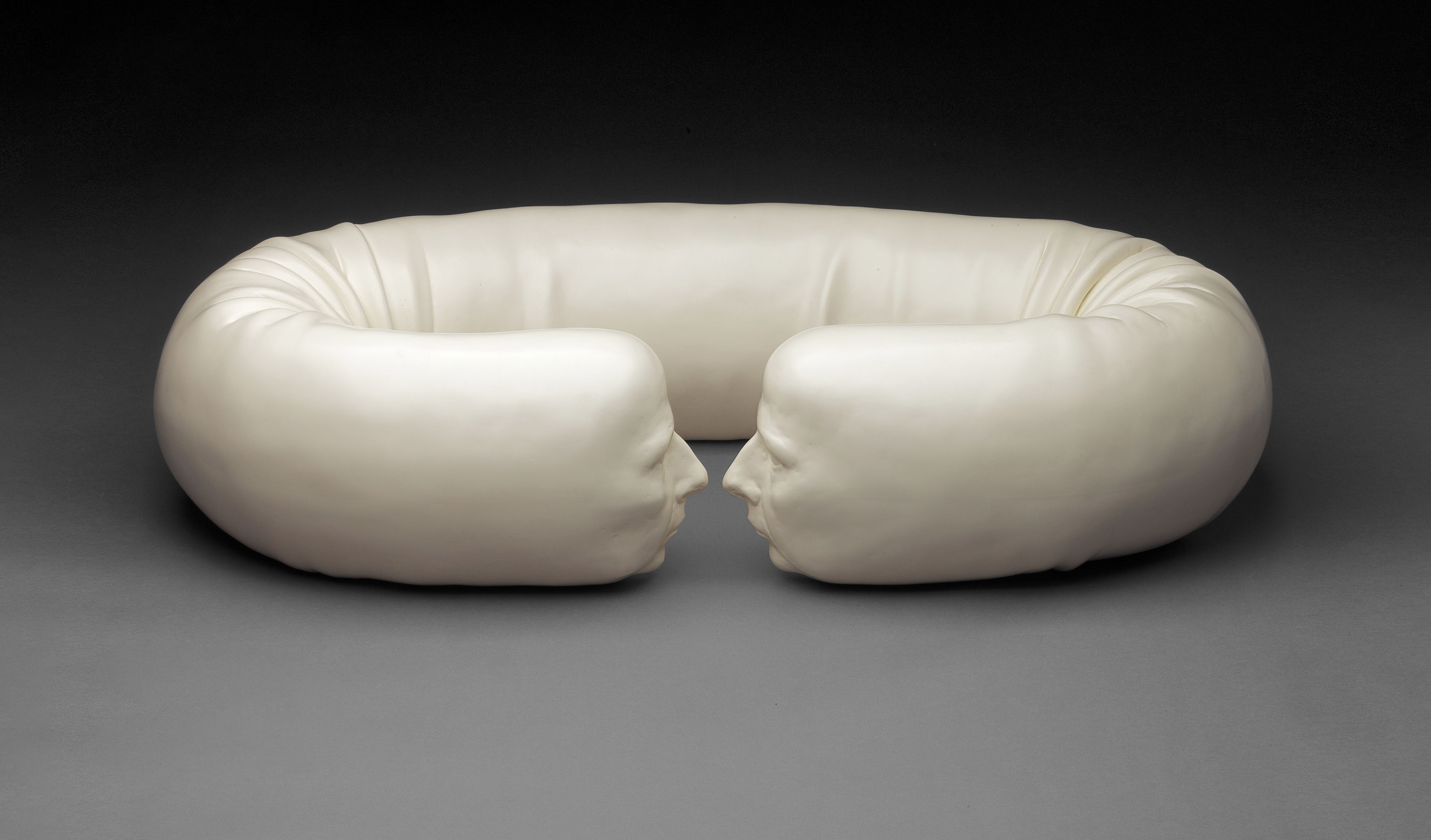
Photo: Prallan Allsten/Moderna Museet
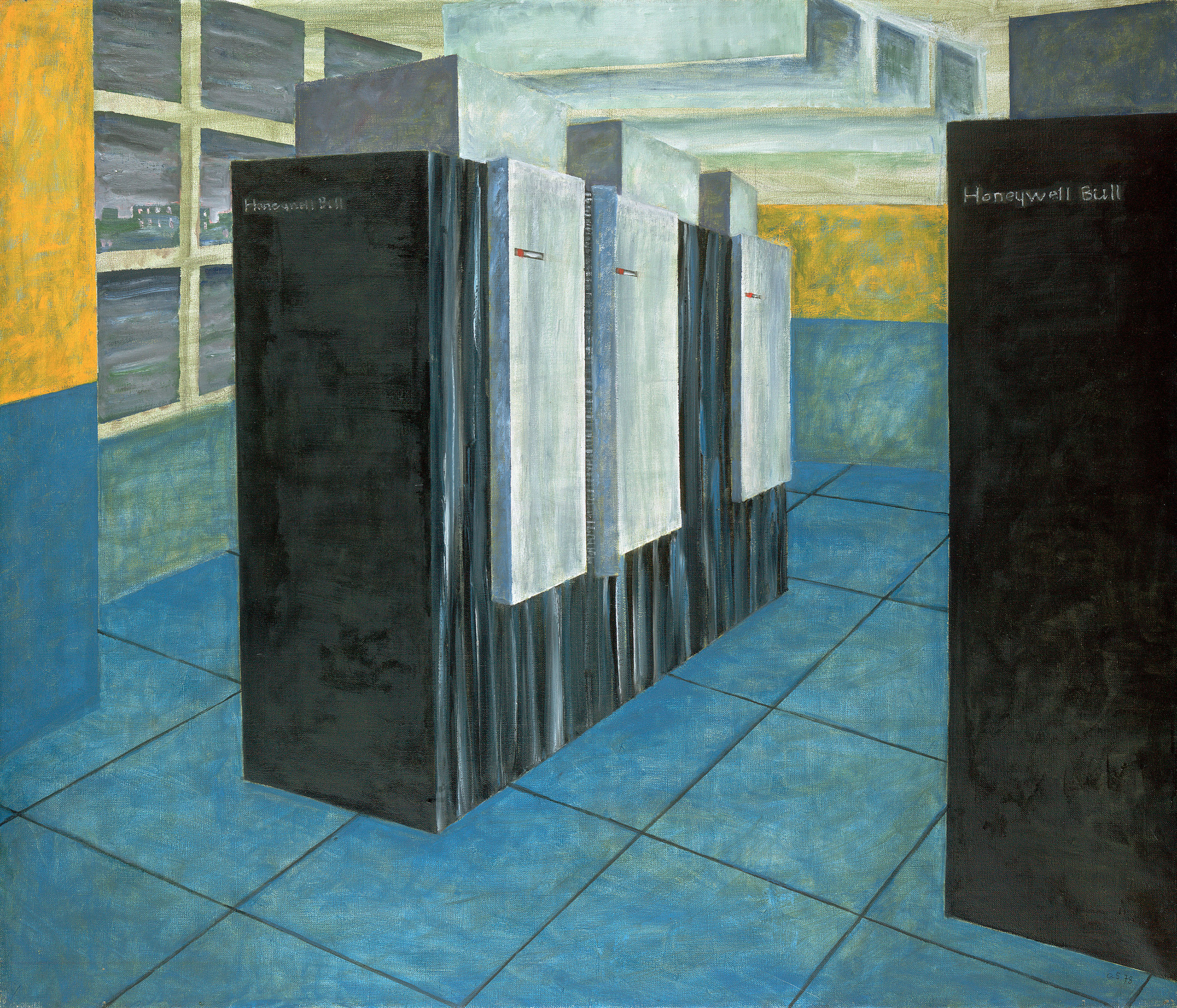
Photo: Tobias Fischer/Moderna Museet
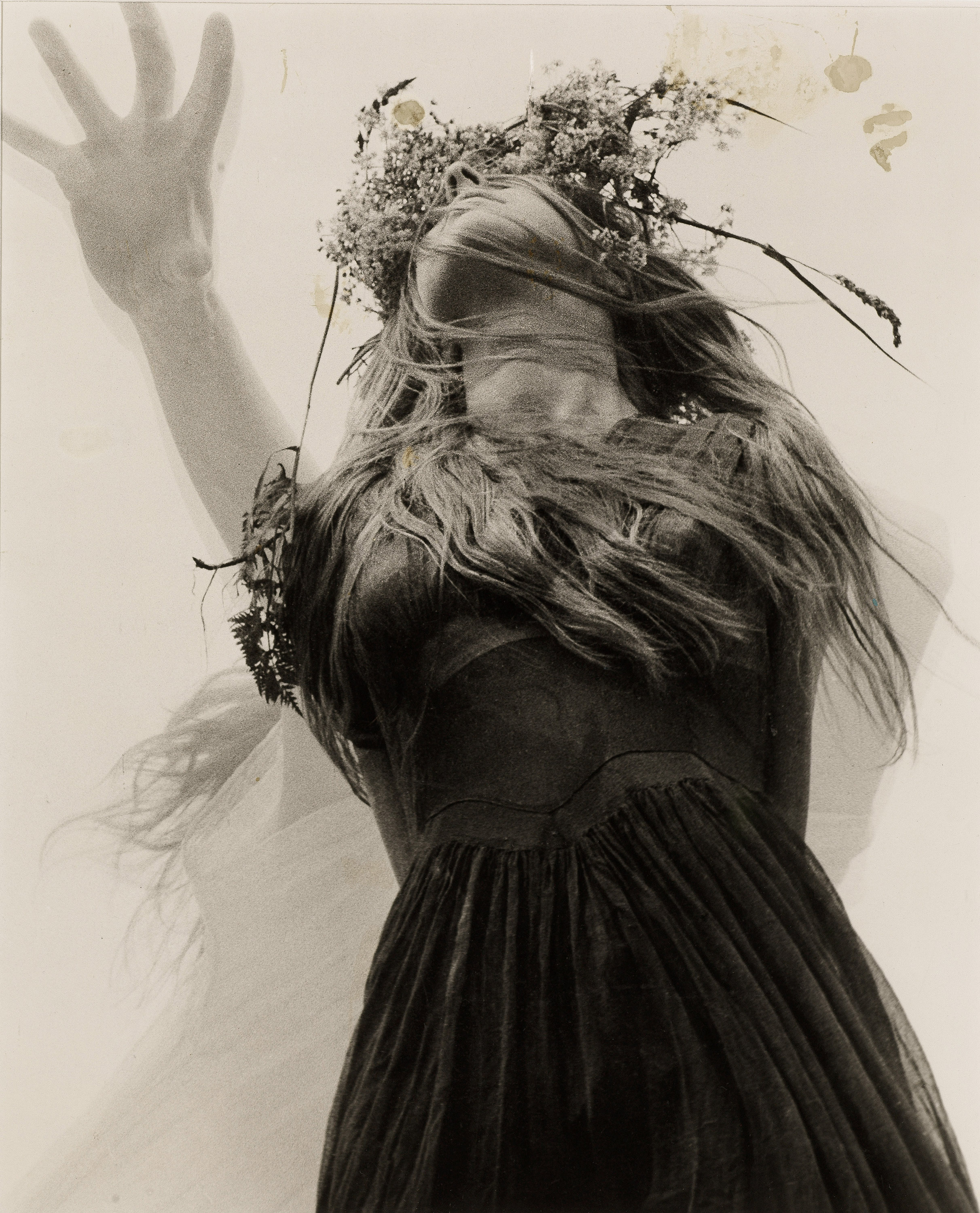
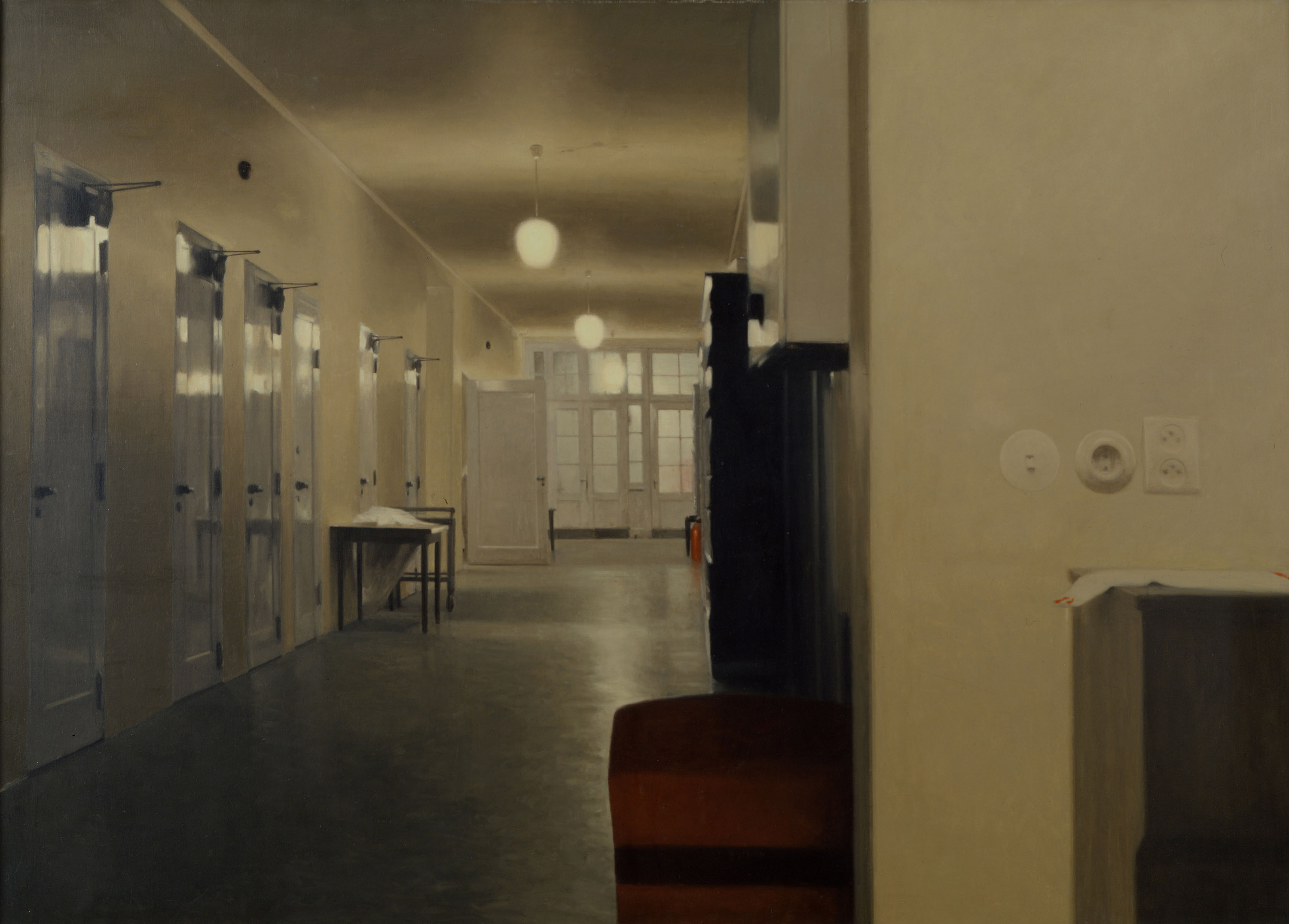
Photo: Moderna Museet
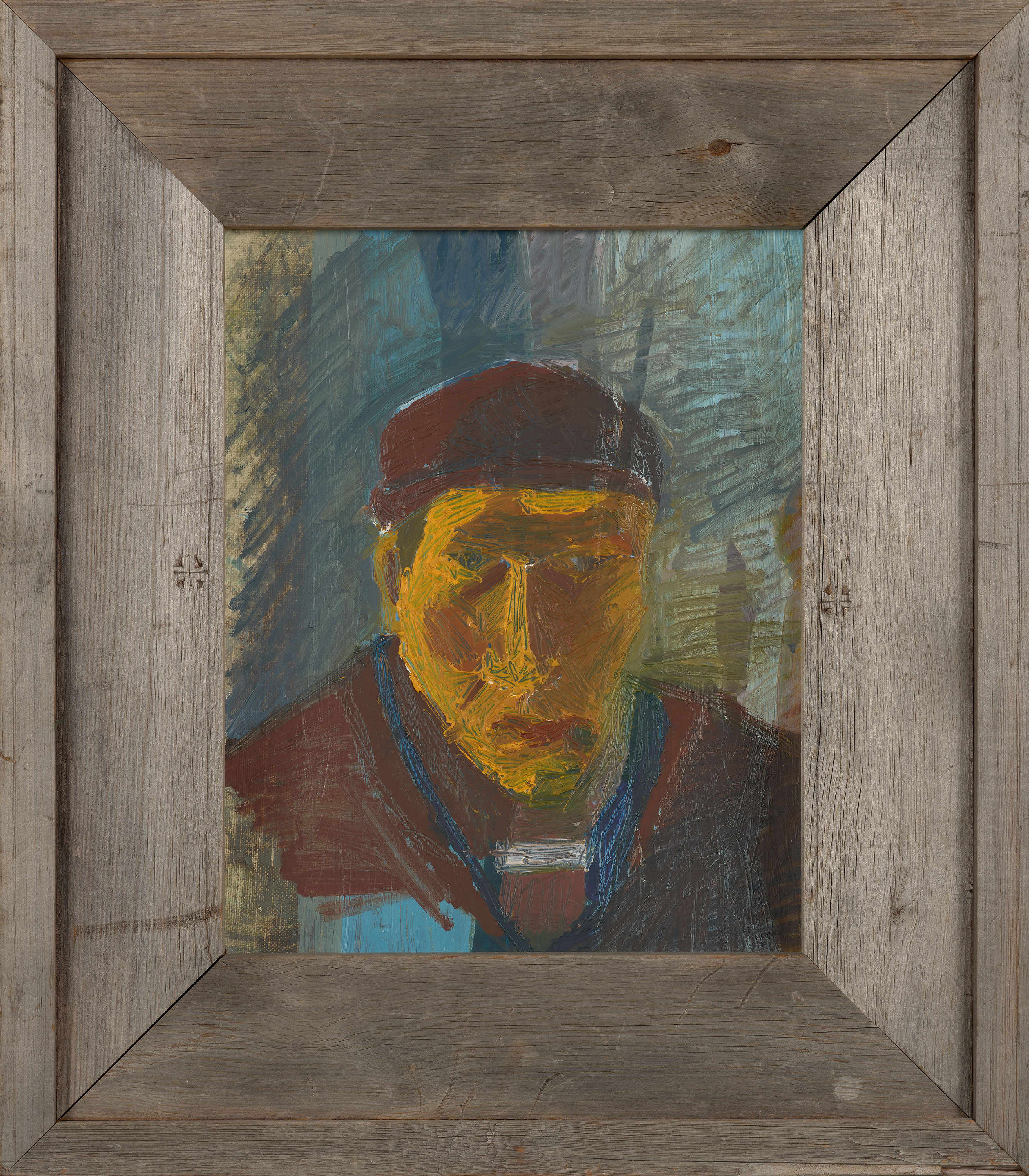
Photo: Tobias Fischer/Moderna Museet
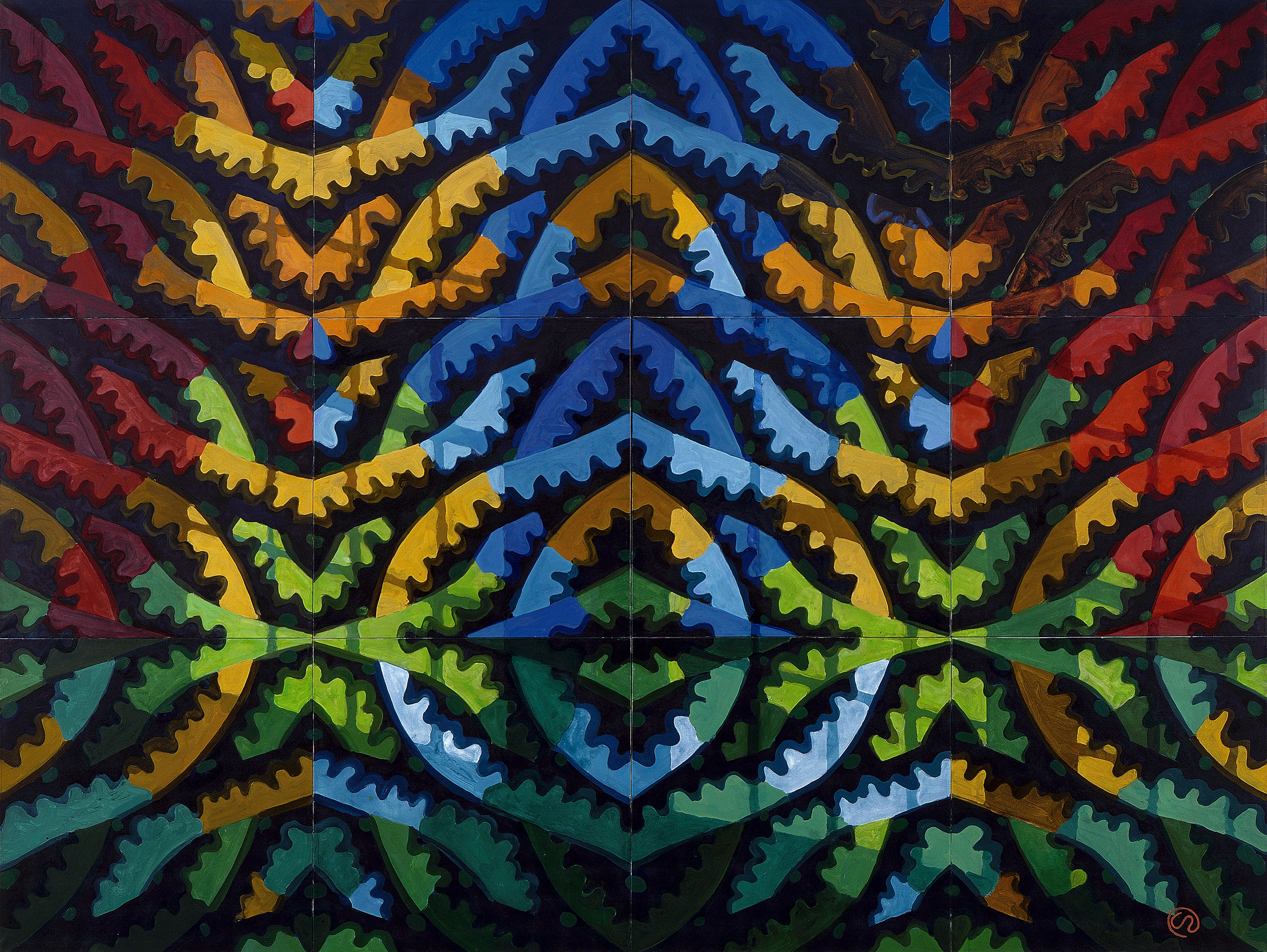
Photo: Albin Dahlström/Moderna Museet
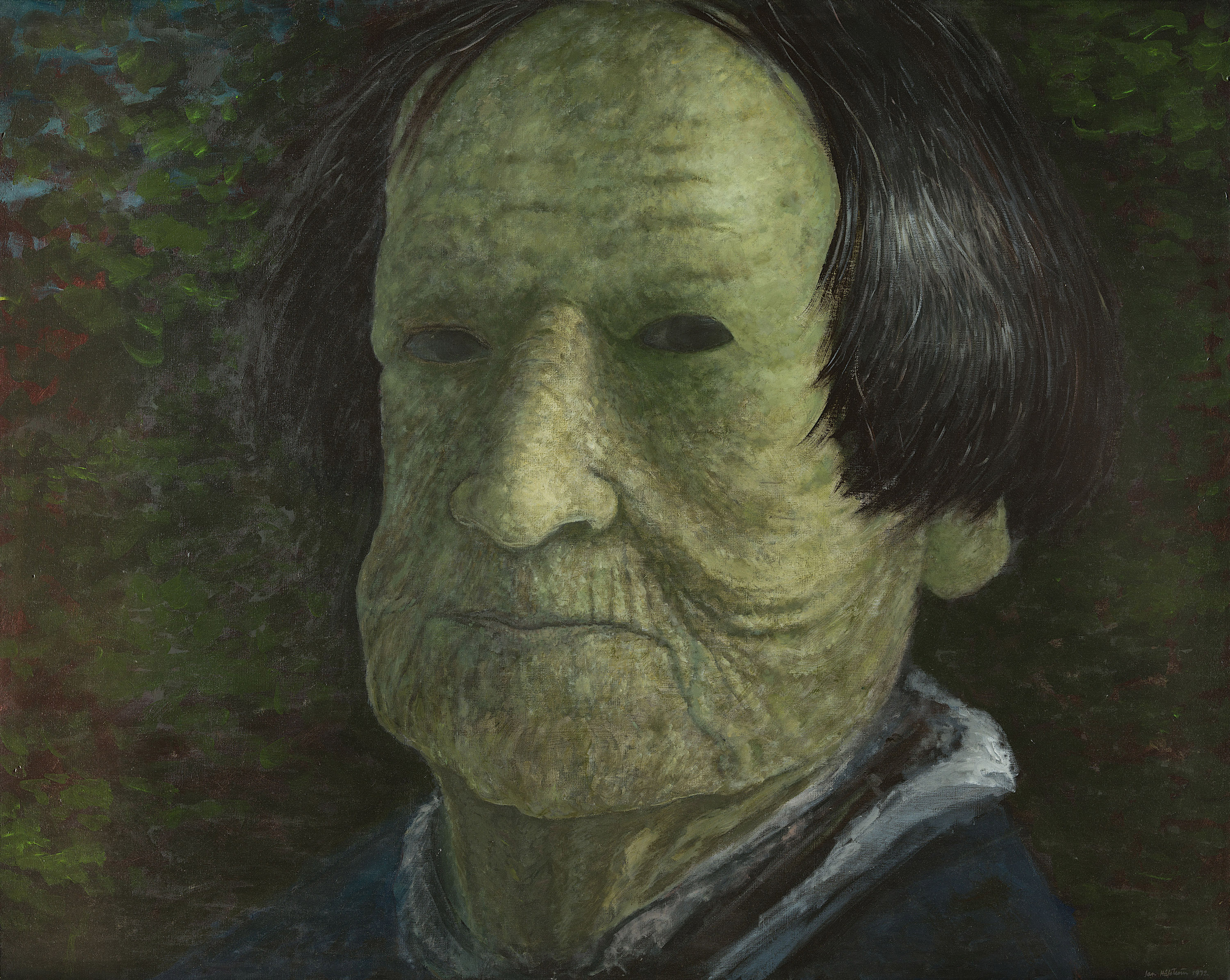
Photo: Tobias Fischer/Moderna Museet
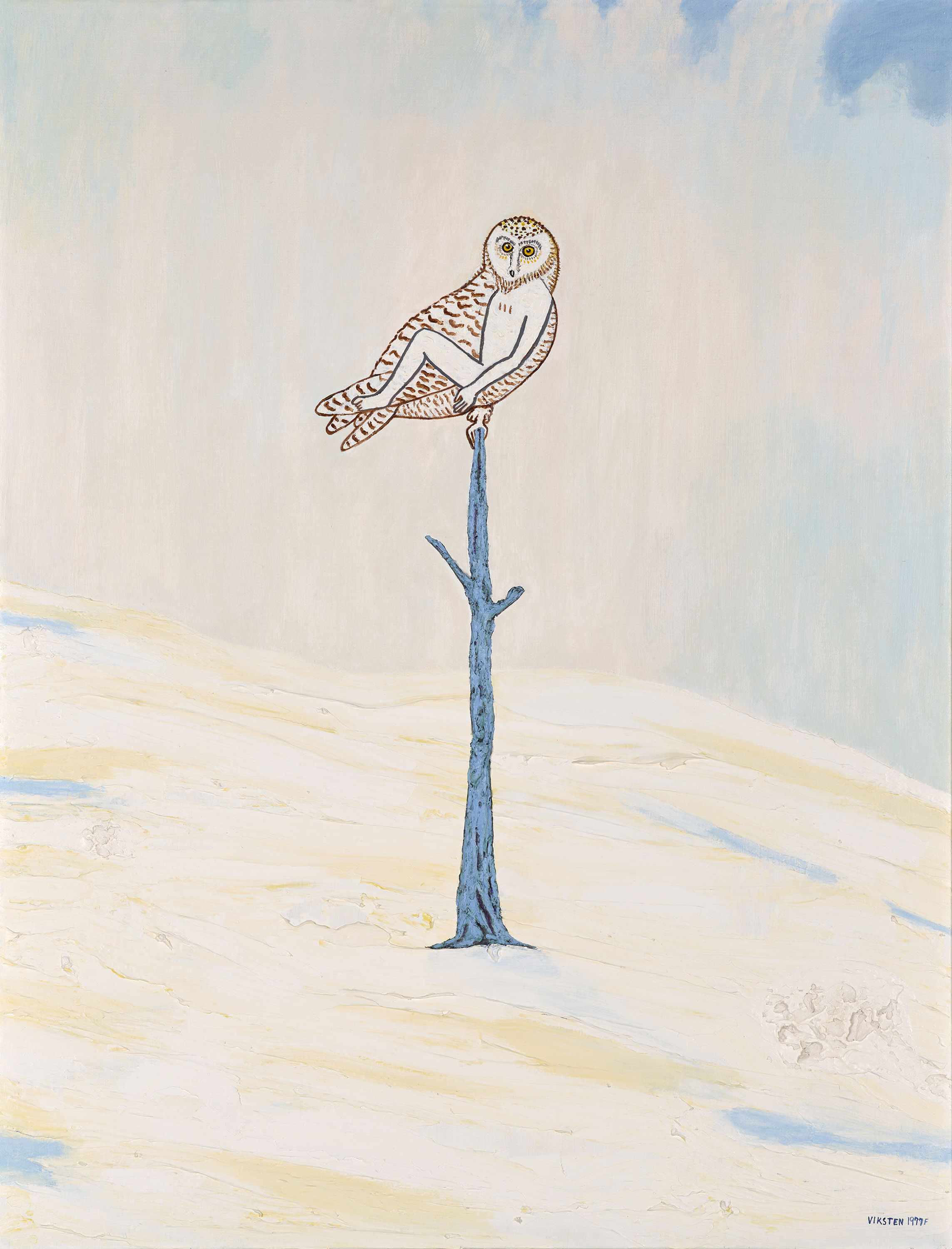
Photo: Tobias Fischer/Moderna Museet