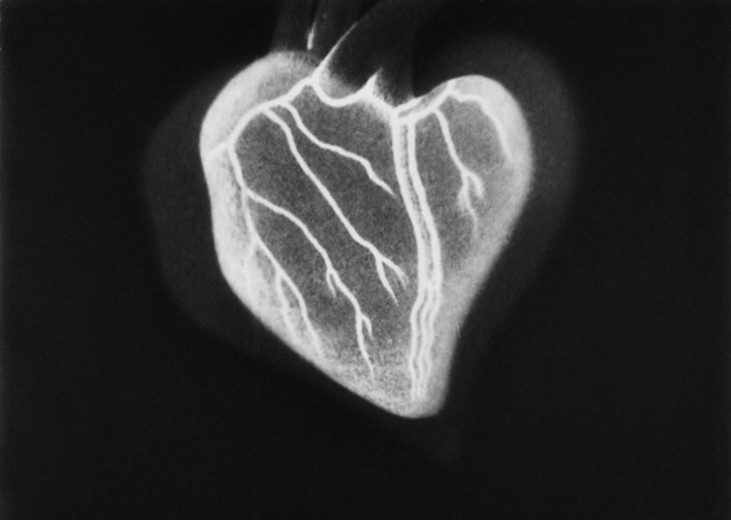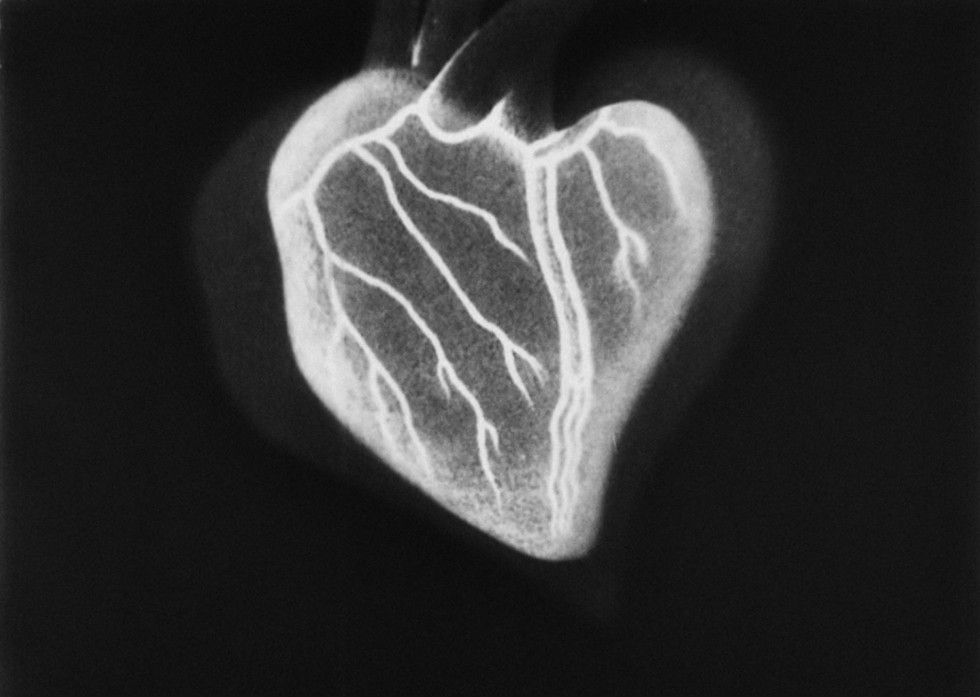
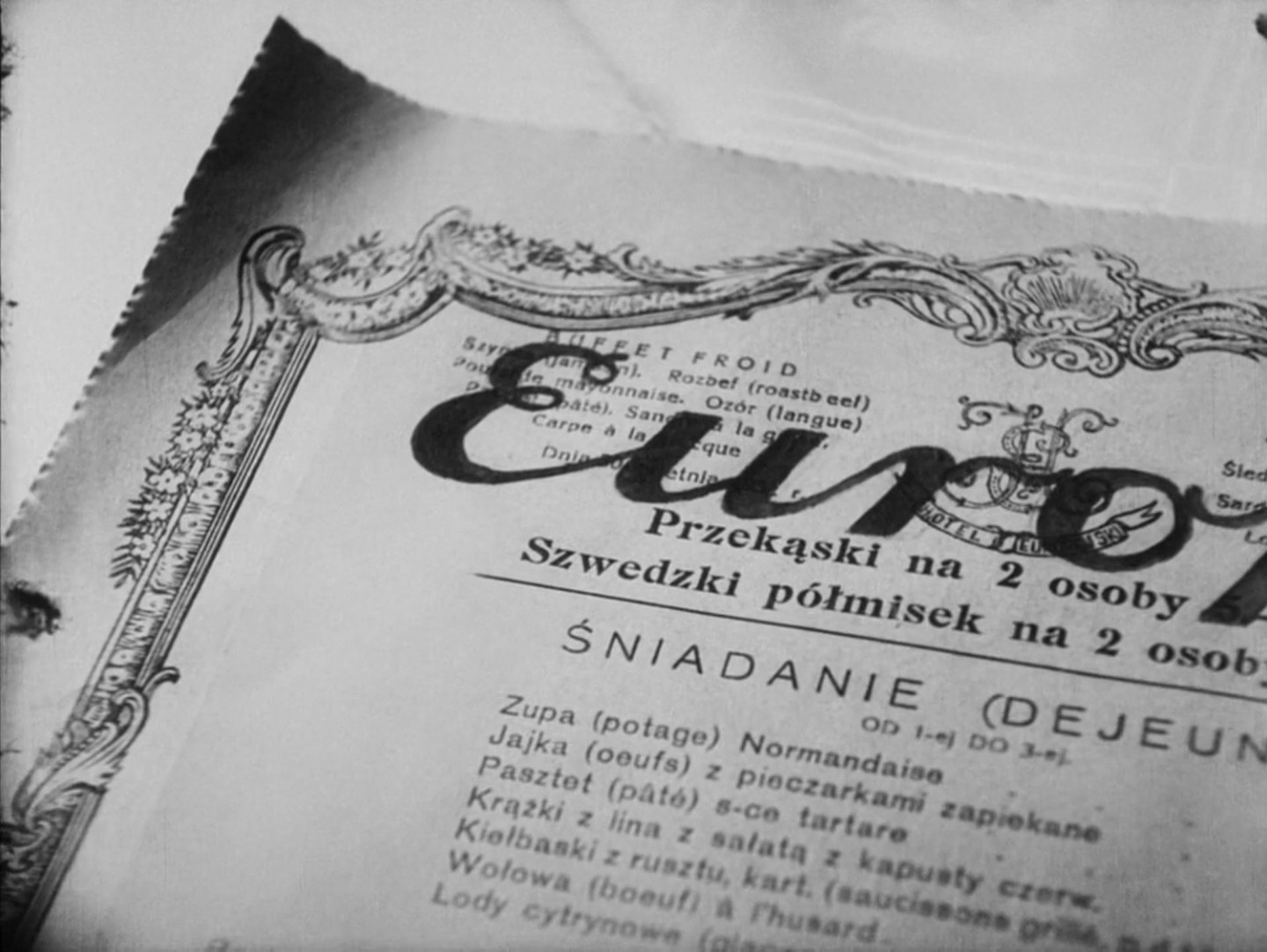
Europa (still), 1932, Franciszka och Stefan Themerson © Themerson Estate
Antifascism, Resistance and Queer Expressions in Central Europe
Conversation in the Collection
11.4 2026
Stockholm
With reference to the artistic practices of Franciszka and Stefan Themerson, and Toyen, and in relation to Karol Radziszewski – currently presenting the exhibition “The Classroom” at Moderna Museet – this season’s second Conversation in the collection focuses on connections between resistance in contemporary art and similar strategies within interwar surrealism. Art has functioned as a language of political opposition and as a means of articulating alternative understandings of identity, desire and belonging, then as now.
The conversation takes place in the exhibition “The Subterranean Sky – Surrealism in the Moderna Museet Collection”.
Antifascism, Resistance and Queer Expressions in Central Europe
Conversation in the Collection
Date
Saturday 11 April 2026
Time
12.00–13.00
Place
In the exhibition “The Subterranean Sky – Surrealism in the Moderna Museet Collection”, floor 4
Language
Swedish
Price
170 SEK, 140 SEK for students and seniors (entrance ticket included)
Free for members in Klubb Moderna and other free categories
The ticket is valid for the entire museum, except for the exhibition “Late Picasso”, which has timed entry slots. Access to “Late Picasso” is subject to availability.
Contact: Alexander Kateb, Curator of Programming Moderna Museet
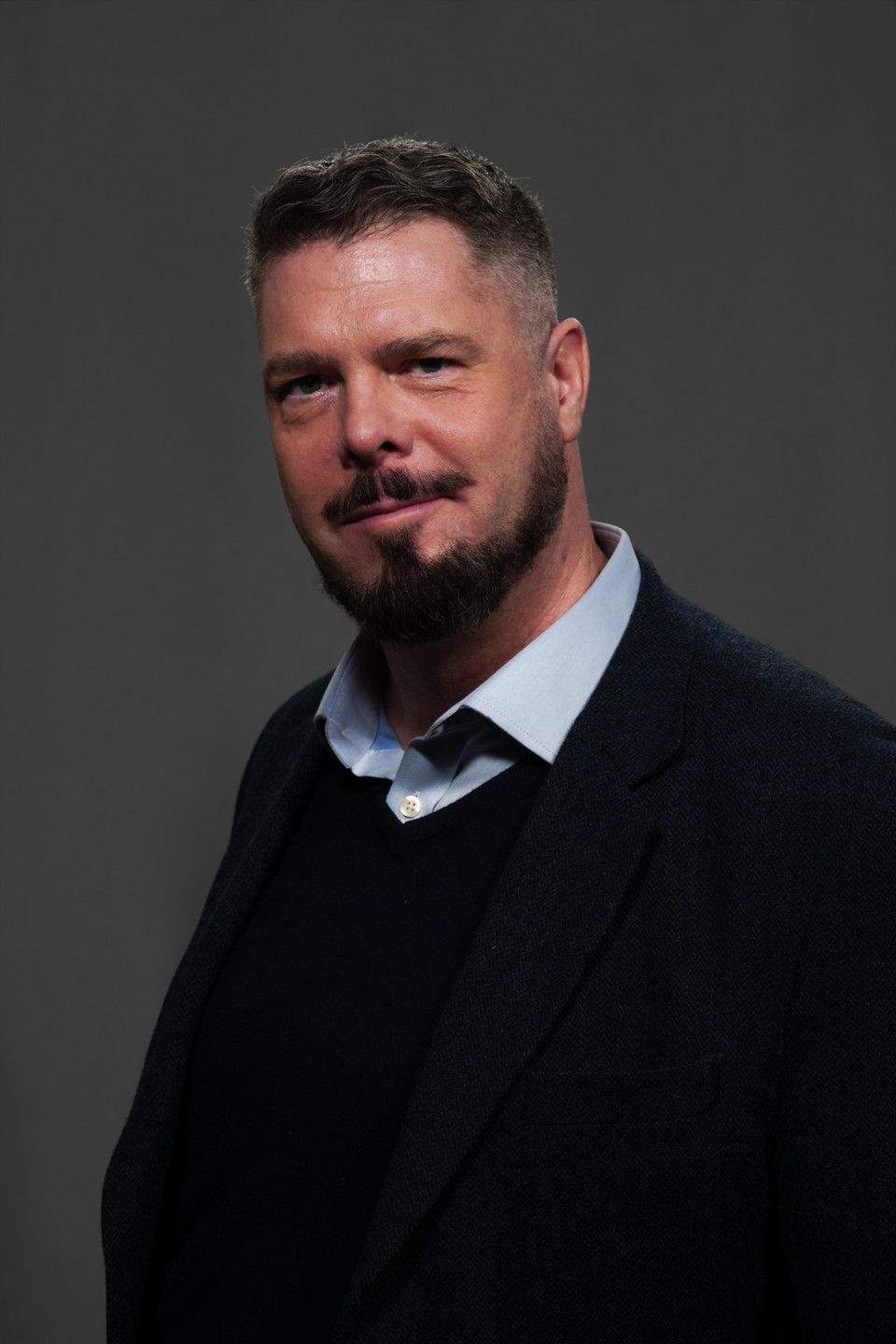
Stefan Ingvarsson
Stefan Ingvarsson is an analyst at the Stockholm Centre for East European Studies (SCEEUS) and project manager for European Expert Talks on Russia, an EU-funded project, both at the Swedish Institute for Foreign Affairs. He served as Cultural Counsellor at the Swedish Embassy in Moscow from 2015 to 2020. He has previously been artistic director of the Stockholm Literature festival at Moderna Museet and has a background in the publishing industry, public diplomacy and as a cultural writer and literary translator from Polish.
Stefan Ingvarsson was part of the original editorial board of the project DIK Fagazine in Warsaw, which was started and is run by Karol Radziszewski, and has collaborated with the artist on several issues of the magazine.
Become a Member
Come as often as you like! Purchase a membership in Klubb Moderna and enjoy free entry to Moderna Museet’s collection and all exhibitions. You can …
Klubb Moderna
Newsletter
Subscribe to our newsletter! Get the latest news about Moderna Museet directly to you by e-mail. …
Newsletter
Previous Conversations in the Collection
Discover past events in the series “Conversations in the Collection”. …
Previous Conversations in the Collection