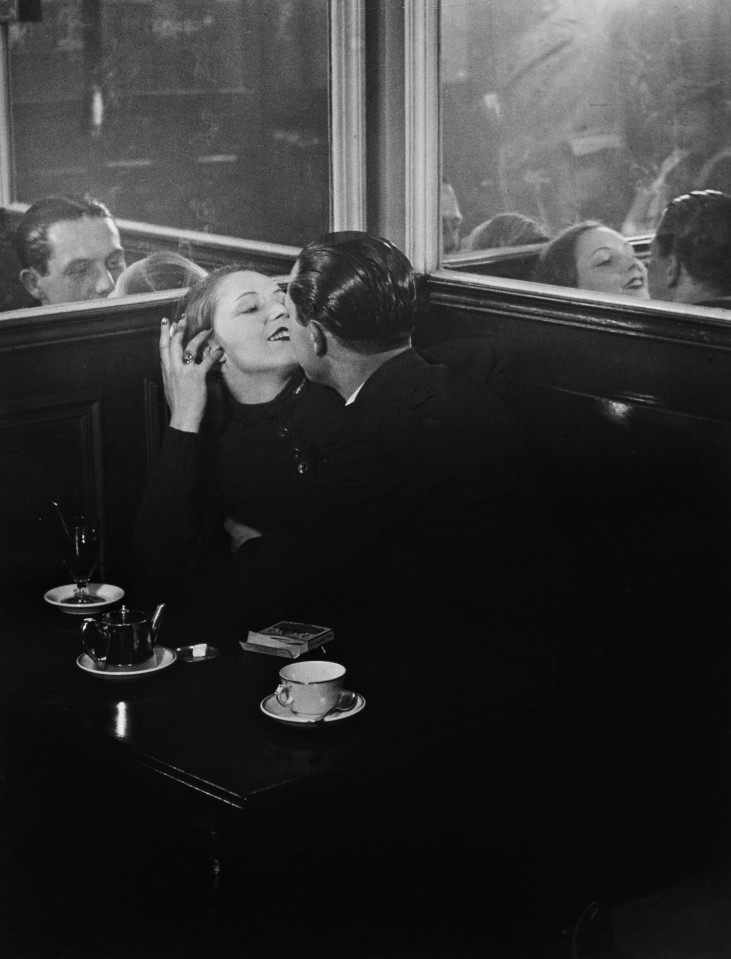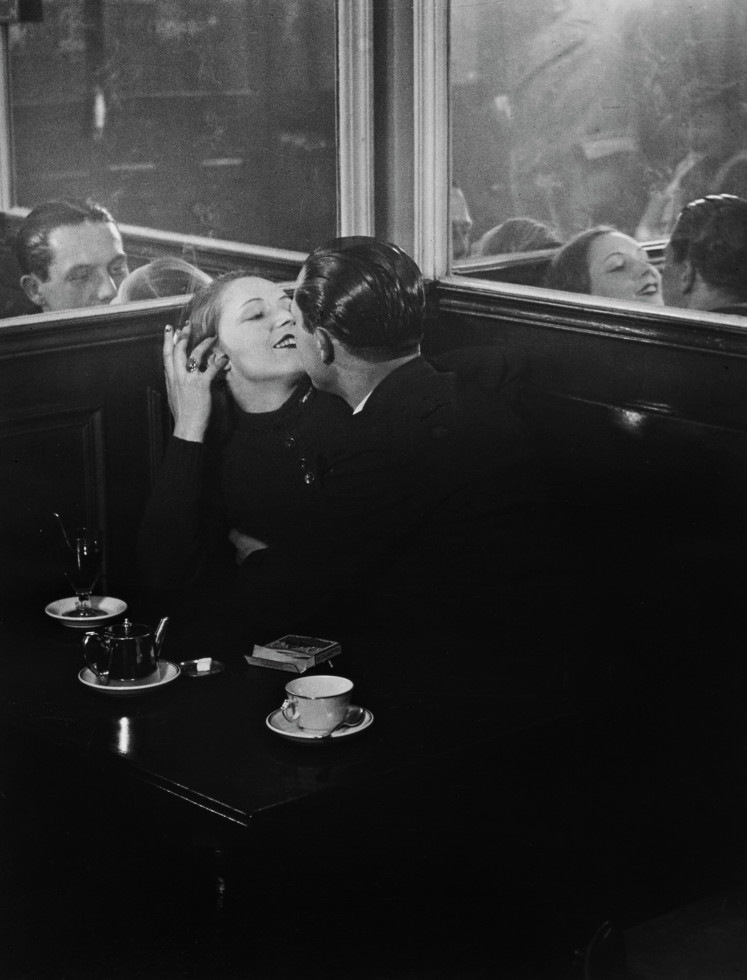
Brassaï, Couple d´amoureux dans un petit café parisien, Place d’Italie/Lovers in a Small French Café, Place d’Italie, ca 1932/ca 1970 © Estate Brassaï Succession – Philippe Ribeyrolles 2026
Brassaï
The Secret Signs of Paris
28.3 – 4.10 2026
Stockholm
Opens tomorrow
Buy ticket
Regular: 170 SEK (online 160 SEK)
Reduced: 140 SEK (online 130 SEK)
Free admission for those 18 and under and Klubb Moderna
Friday 27 March 2026
Welcome to the opening of the exhibition ”Brassaï – The Secret Signs of Paris” on Friday 27 March 2026. The opening runs from 18.00 to 20.00.
Director Gitte Ørskou will give a welcome speech at 18.15, followed by a short introduction by the curators of the exhibition Anna Tellgren, Moderna Museet, and Philippe Ribeyrolles, Estate Brassaï Succession.
Free admission. No pre-registration required.
Exhibition Catalouge
An extensive catalogue accompanies the exhibition, published by Moderna Museet and Silvana Editoriale, Milan. Design: Malmsten Hellberg, Stockholm.
The catalogue reproduces all of the more than 160 photographs included in the exhibition and features, among other texts, a piece by Brassaï himself, one by his nephew Philippe Ribeyrolles, along with a newly written essay by the French author Nina Bouraoui.
Brassaï (1899–1984) is the pseudonym of Gyula Halász, who grew up in Brassó in Transylvania, then Hungary. After studying in Budapest and Berlin, he moved to Paris at the age of twenty-five. There are three themes in Brassaï’s photographic production and in the exhibition “Brassaï – The Secret Signs of Paris”: the city of Paris with its inhabitants and environments, the portraits of artists and their works, and the city’s graffiti.
Brassaï’s photographs invite us to decipher signs – the traces of events and human presence – and to search for the answer to the city’s many mysteries. – Anna Tellgren, Curator
Nocturnal Environments and People
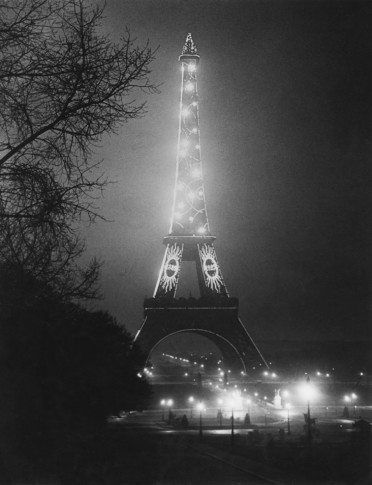
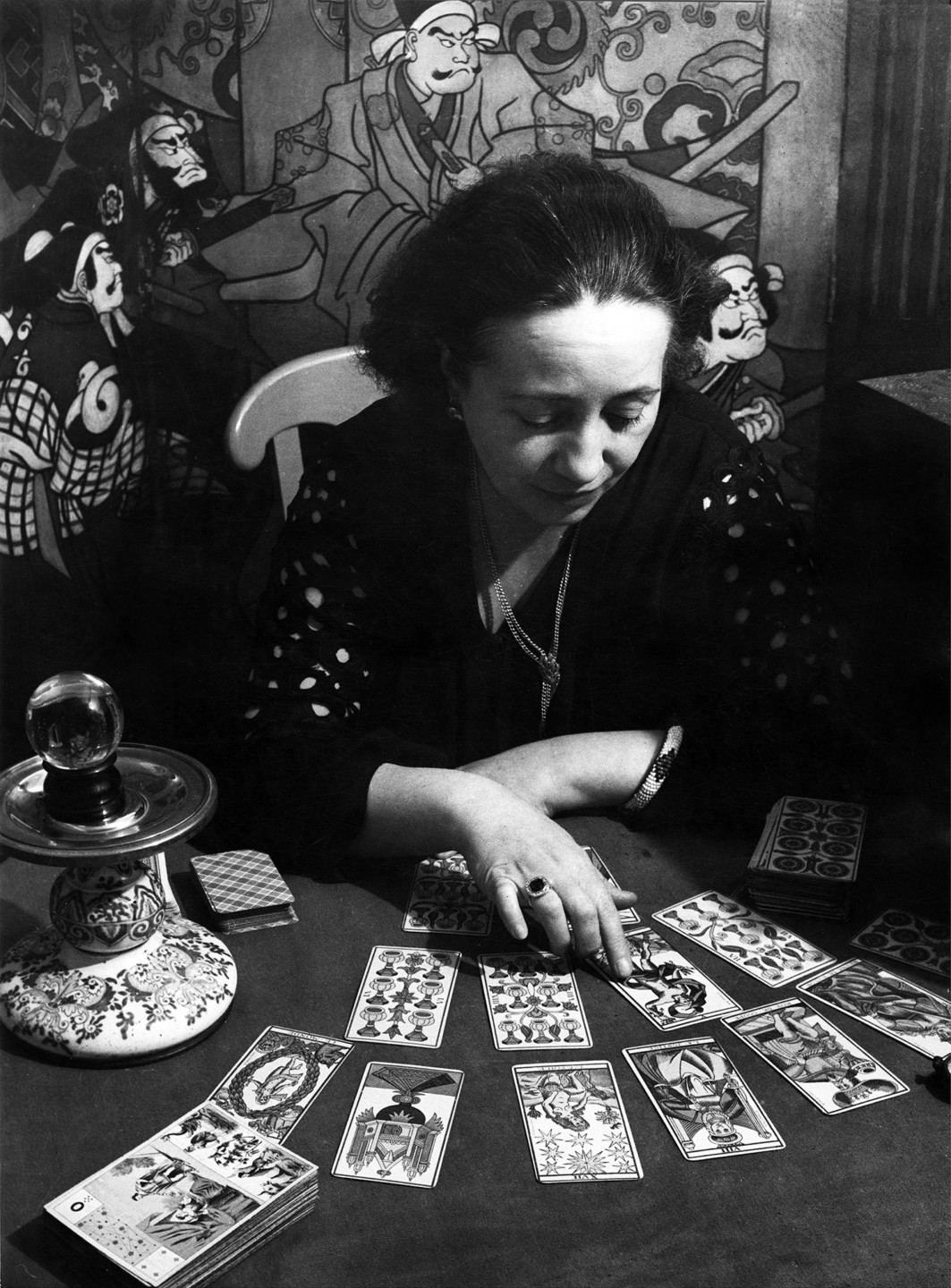
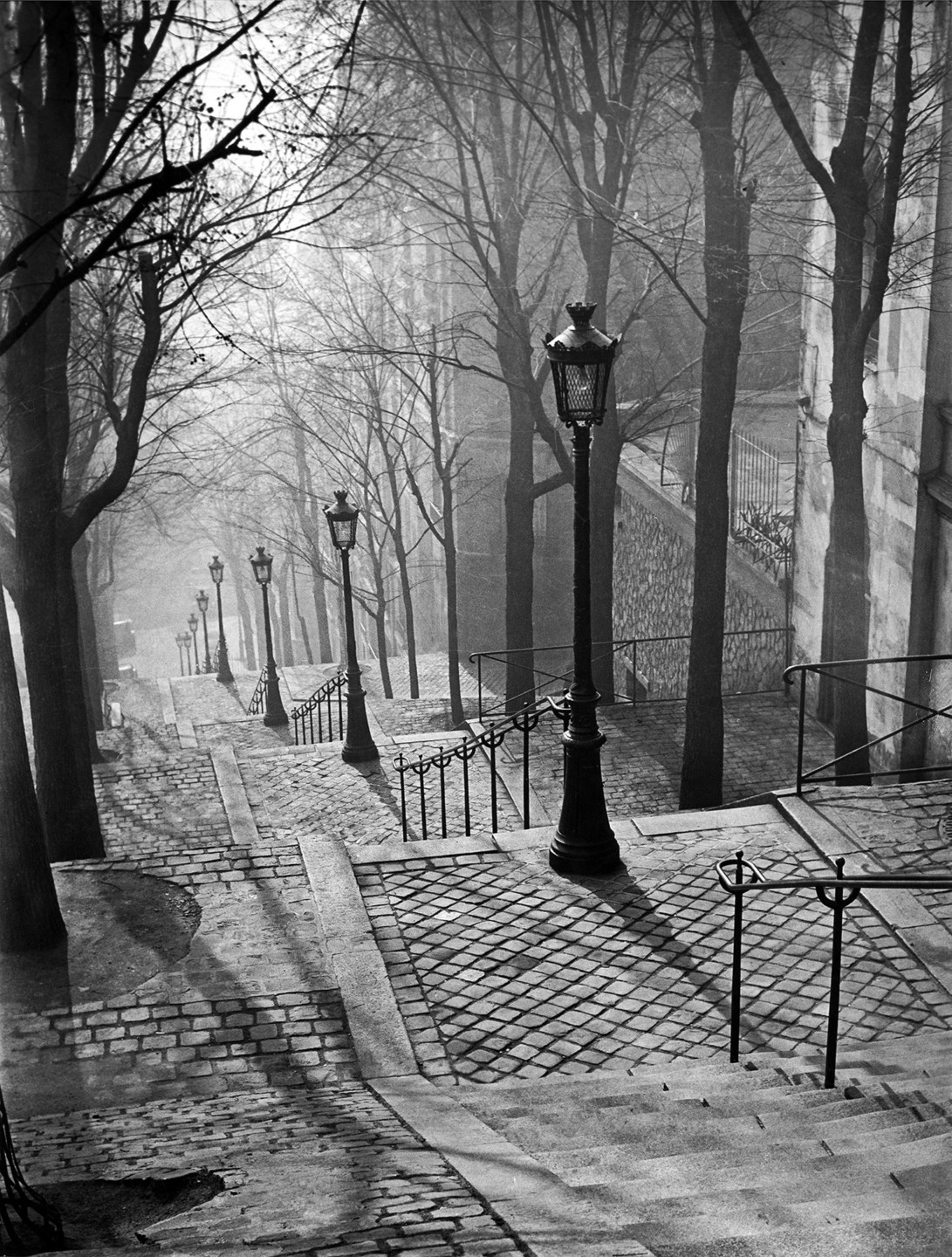
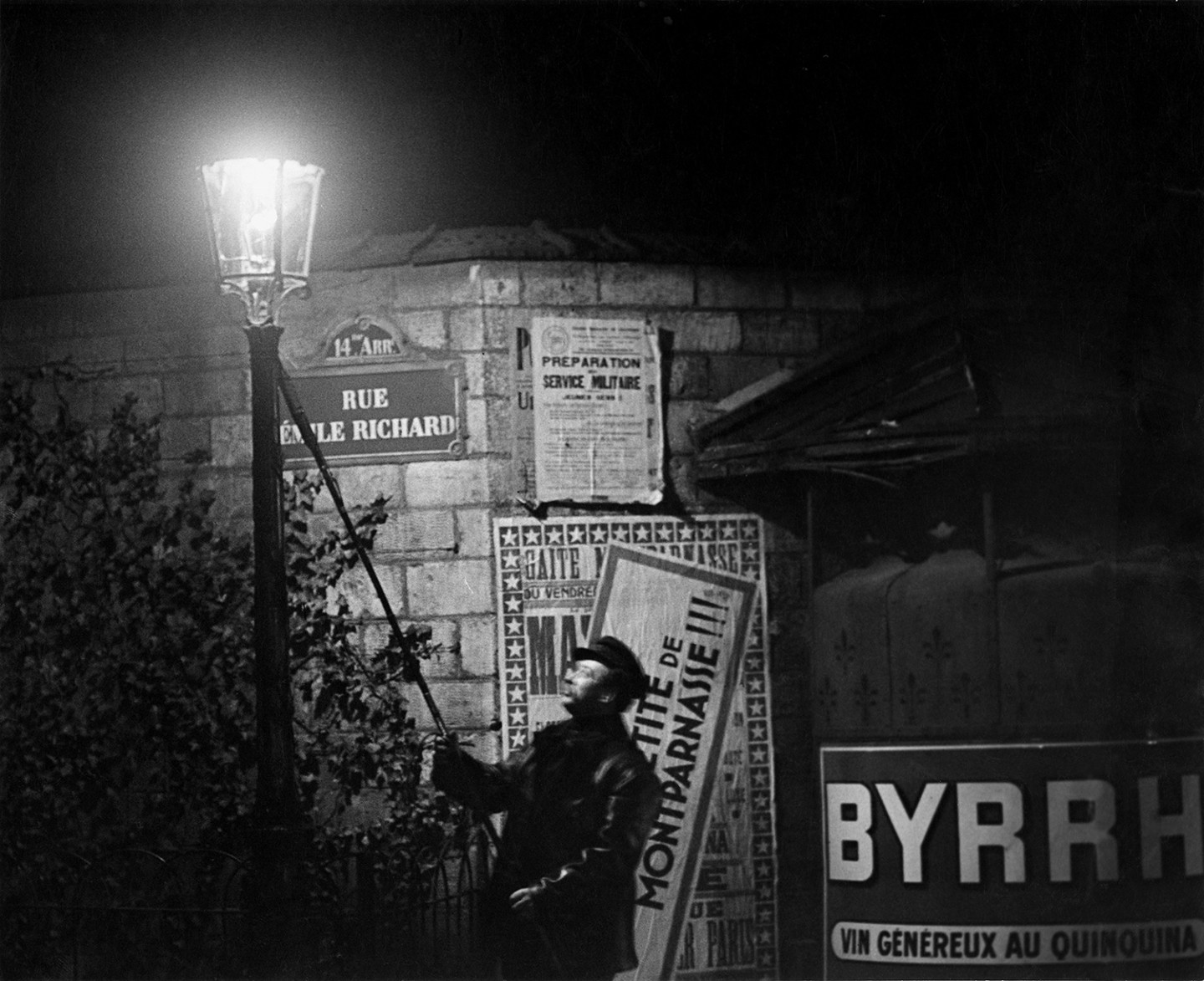
When Brassaï moved to Paris in 1924, he first worked as a journalist. His major breakthrough as a photographer came with the book “Paris de nuit” (Paris by Night), published in 1933. Many of his famous motifs can be found here – Notre-Dame and the Eiffel Tower, bars and dance halls, artists and workers, policemen and petty thieves.
The black-and-white photographs with motifs in soft tones were the result of his long nocturnal walks through Paris – his camera lens captures environments and people in the light of street lamps and the light falling from the buildings of the city.
ABOUT THE EXHIBITION
The exhibition “Brassaï – The Secret Signs of Paris” includes more than 160 vintage gelatine silver prints made by the photographer himself.
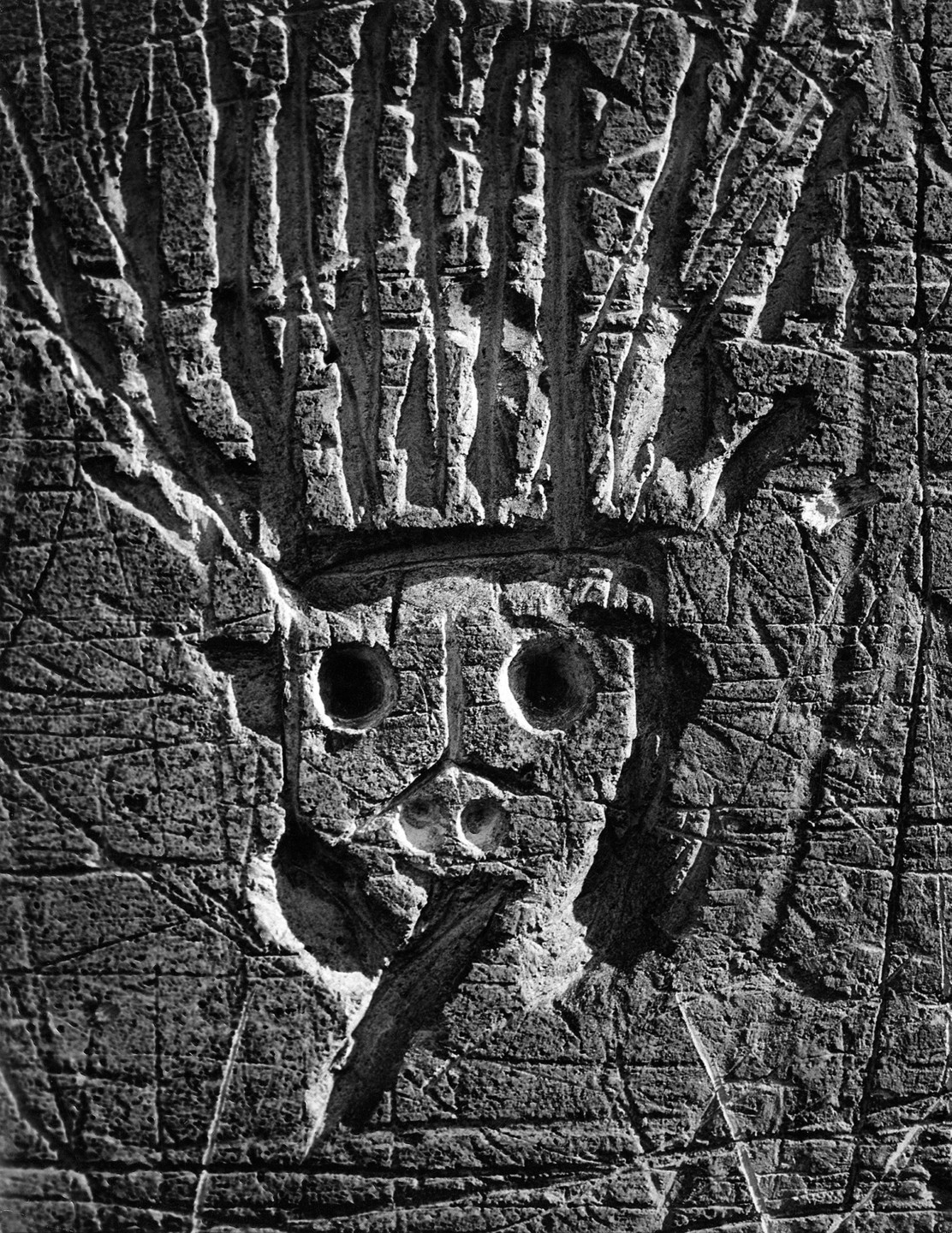
The first room of the exhibition features Brassaï’s legendary night photographs of Paris, its inhabitants and environments. The middle room shows his extensive documentation of the city’s graffiti, and the last room of the exhibition presents more of his images of life in Paris.
Brassaï’s film from the mid-1950s, “Tant qu’il y aura des bêtes” (As Long as There Are Animals), which was awarded as the most innovative short film at at the Cannes Film Festival in 1956, is also included in the exhibition.
Bars, Dance Halls and Brothels
After the success of “Paris de nuit”, Brassaï received requests to publish the material that includes his more intimate photographs of Paris by night – the bars, dance halls, gay clubs and brothels. But at that time, in post-war Paris, censorship had become stricter and publication had to wait.
It was not until about forty years later, in 1976, that the book “Le Paris secret des années 30” (The Secret Paris of the 30’s) was published, based on Brassaï’s large collection of photographs.
ABOUT THE ARTIST
Gyula Halász (1899–1984) grew up in Brassó in Transylvania, then Hungary.
After studying art in Budapest and Berlin, he moved to Paris in 1924 and took the name Brassaï, which means “from Brassó”. He was versatile and devoted himself to drawing, painting, sculpture and photography in parallel. Literature was another great interest.
Brassaï moved in Parisian artist circles and his contact with the surrealists, as well as his friendship with Pablo Picasso, sharpened his eye for the unexpected and overlooked. His major breakthrough as a photographer came with the book “Paris de nuit” (“Paris by Night”), published in 1933.
On his wanderings in Paris, Brassaï also discovered street graffiti, which he documented in an extensive series of photographs until the 1950s. At the same time, he also made reporting trips for the magazine “Harper’s Bazaar” to Brazil, Greece and Sweden, among other places.
Brassaï died in 1984, after receiving several awards and participating in exhibitions throughout Europe and the United States during his final years.
Brassaï – The Secret Signs of Paris
Curated by Anna Tellgren, Moderna Museet, in collaboration with Philippe Ribeyrolles, Estate Brassaï Succession.
The exhibition is organised by Moderna Museet, Stockholm in partnership with Estate Brassaï Succession, Paris and Silvana Editoriale, Milan.
The exhibition is supported by
The Brassai Exhibition Circle:
Veronica and Lars Bane
Pontus Bonnier
Anonymous donors