Visit Moderna Museet
Opening hours
| Monday | Closed |
| Tuesday | 10-20 |
| Wednesday | 10-18 |
| Thursday | 10-18 |
| Friday | 10-20 |
| Saturday | 10-18 |
| Sunday | 10-18 |
Opening hours:
Public holidays
The Art Library
The Restaurant
Admission
Regular: 170 SEK (online 160 SEK)
Reduced: 140 SEK (online 130 SEK)
Group discount (minimum 15 people): 140 SEK (online 130 SEK)
Free admission for those 18 and under and Klubb Moderna.
Free admission on Fridays 18.00–20.00 (final Friday of the season: 12 June 2026)
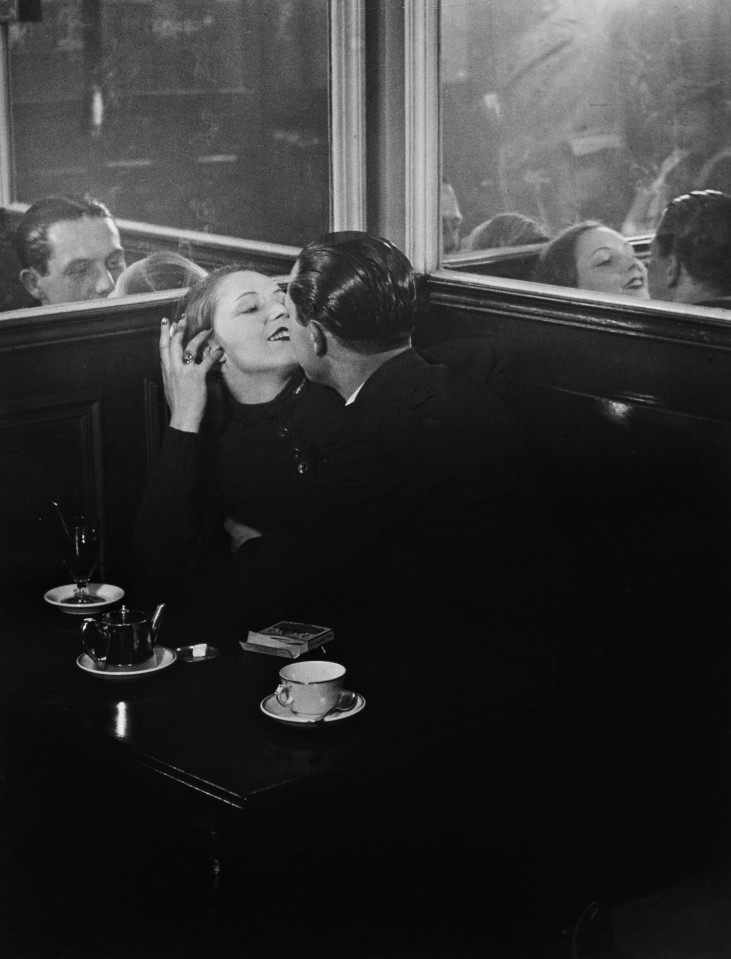
Brassaï
Brassaï is one of the most famous photographers in the history of photography. In the early 1930s, he set out with his camera on long nocturnal walks …
The Secret Signs of Paris
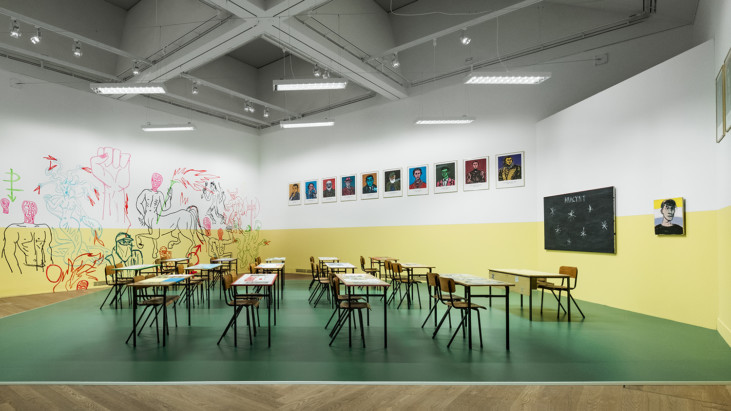
Karol Radziszewski
Enter “The Classroom” by Karol Radziszewski, a reconstruction of a 1990s Polish classroom. Here, materials from the artist’s long-term research …
The Classroom
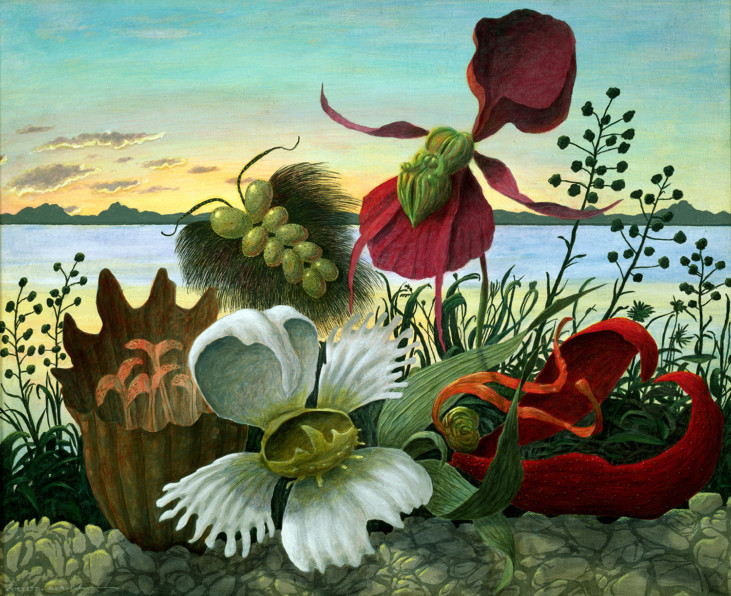
The Subterranean Sky
2024 marks one hundred years since the French poet and writer André Breton wrote the first Surrealist Manifesto. “The Subterranean Sky” is a deep …
Surrealism in the Moderna Museet Collection
The Art of Collecting
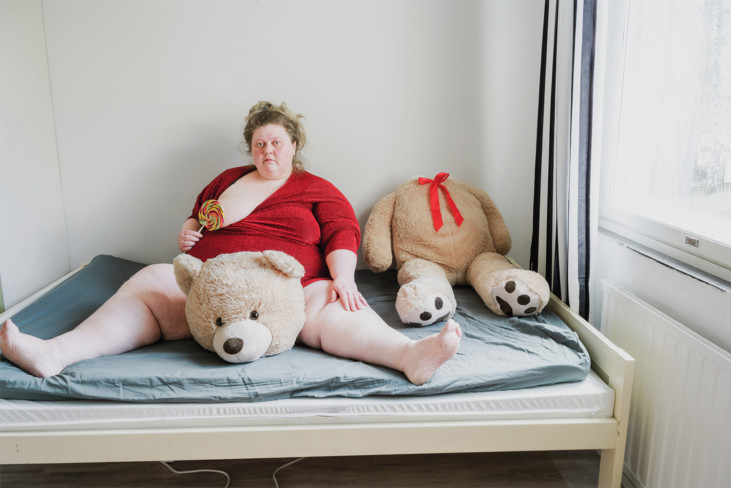
Discover artworks that Moderna Museet has recently purchased or received as gifts. “The Art of Collecting” presents a selection of our …
Expanding the Moderna Museet Collection
Monogram
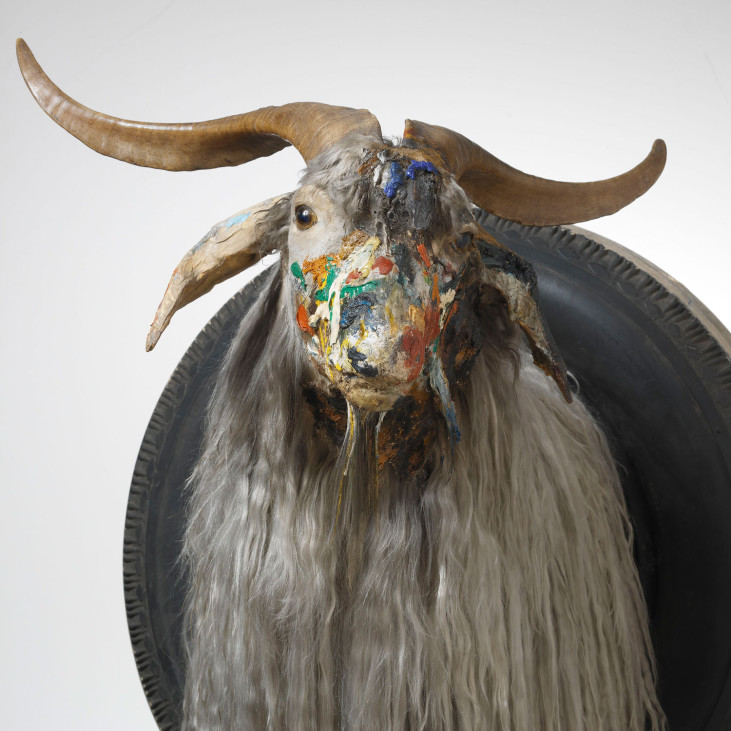
Robert Rauschenberg’s iconic work “Monogram” is exhibited in The Study Gallery. Experience our world-famous goat alongside other works and …
Robert Rauschenberg and the Moderna Museet Collection
The Study Gallery
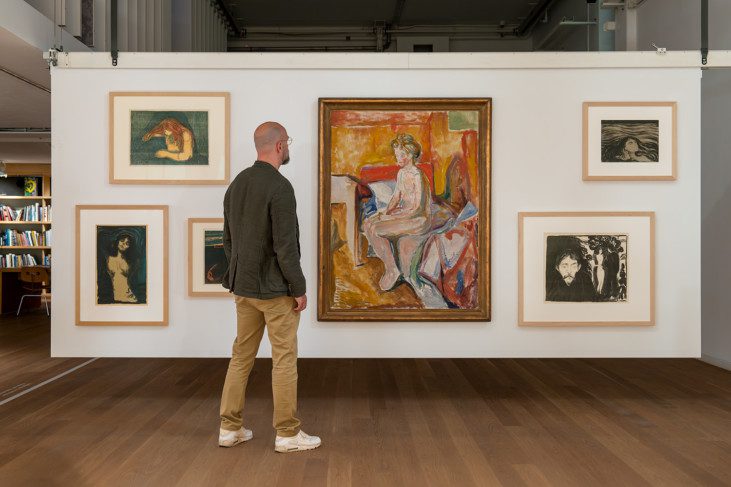
In the Study Gallery, you can request screens filled with works of art from the Moderna Museet collection. Our museum hosts will help you choose a …
The Study Gallery
Find us
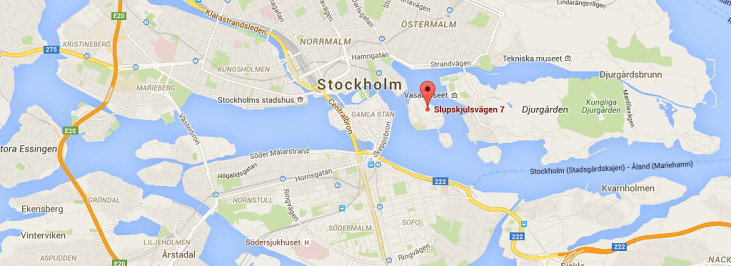
Moderna Museet is located on Skeppsholmen, an island in central Stockholm. Welcome! …
Find us
Plan your visit
Some tips and details that may be helpful when you plan your visit. …
Plan your visit
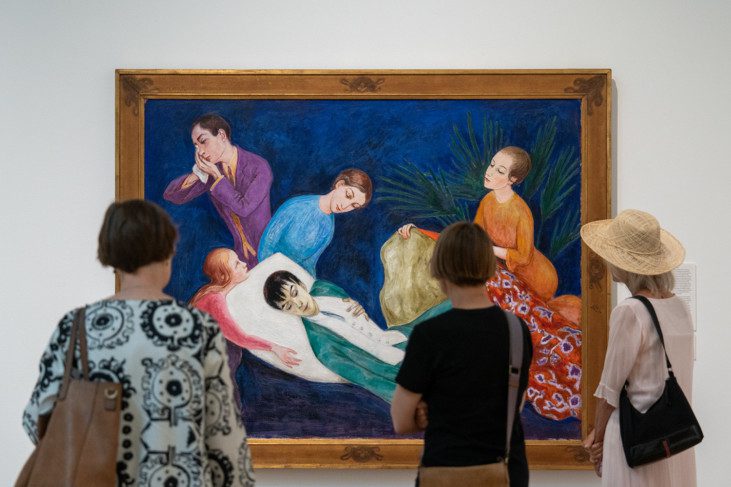
Exhibition Guide
In the Moderna Museet exhibition guide, you will find audio guides, texts and other material aimed at making the visit to the museum more accessible. …
Your guide to the museum
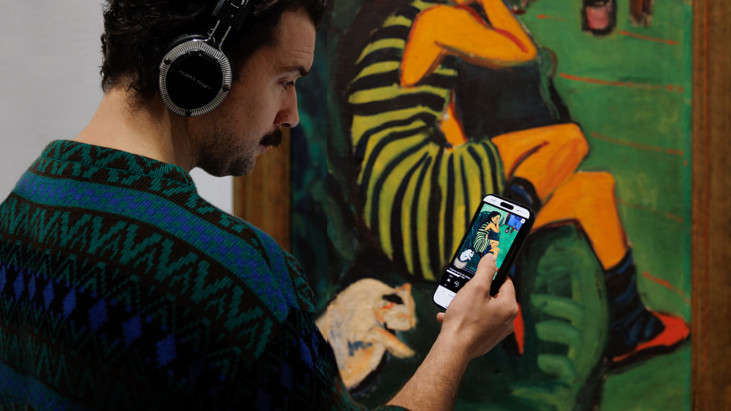
Information in National minority languages
Here your find information about Moderna Museet in Sweden’s national minority languages.
Suomi (pdf)
Meänkieli (pdf)
Romani arli (pdf)
Sámigiella (pdf)
Jiddisch (pdf)
Welcome to the Shop!
The Moderna Museet’s shop offers products featuring art-, photography- and design related gifts and over 3000 book titles.
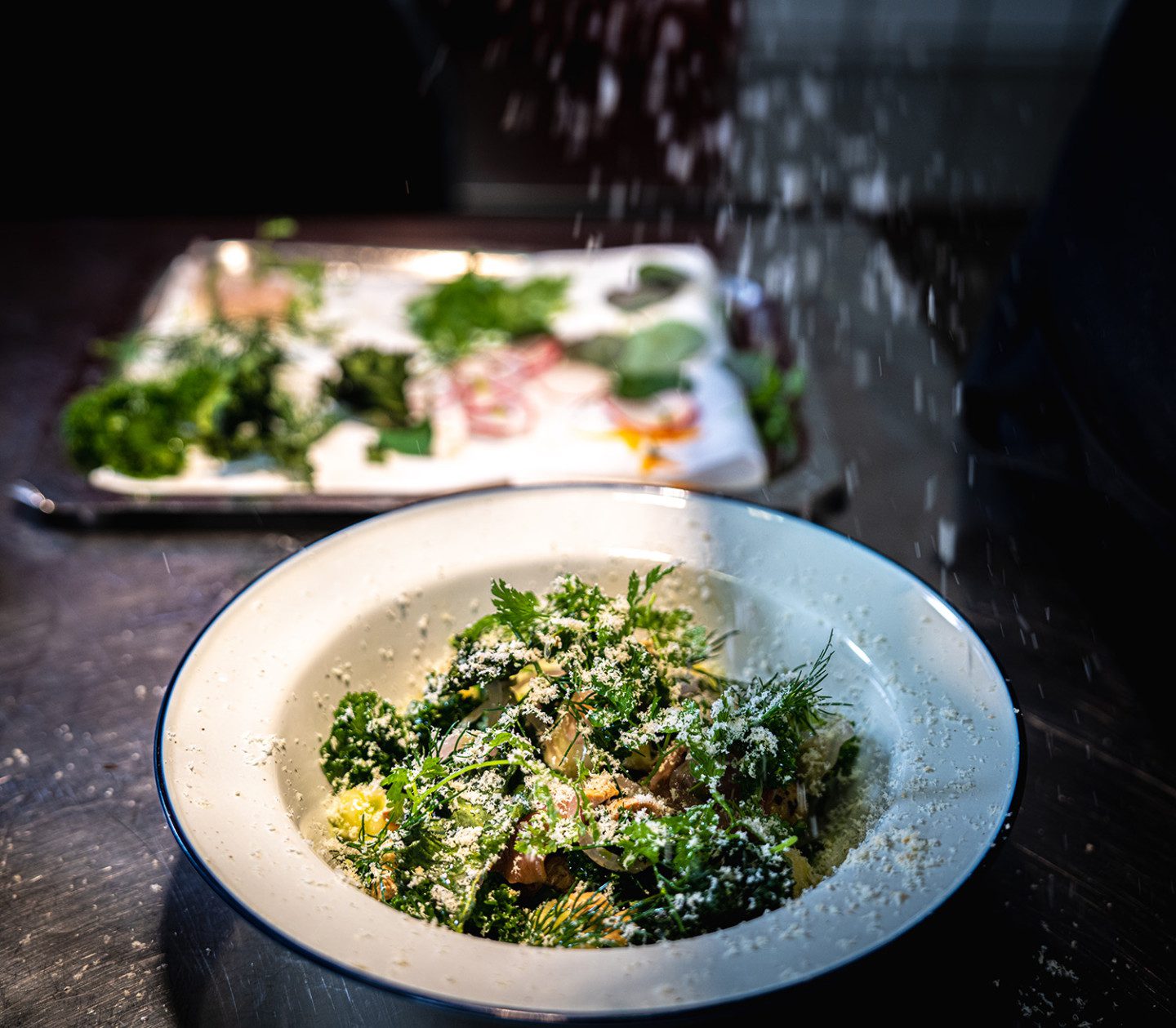
Restaurant, Cafe & Bar
The restaurant at Moderna Museet offers a dining experience for everyone, with sustainability in focus. The Restaurant is run by Malin Söderström, award-winning chef, restaurant owner and culinary expert.
Become a Member
Come as often as you like! Purchase a membership in Klubb Moderna and enjoy free entry to Moderna Museet’s collection and all exhibitions. You can …
Klubb Moderna
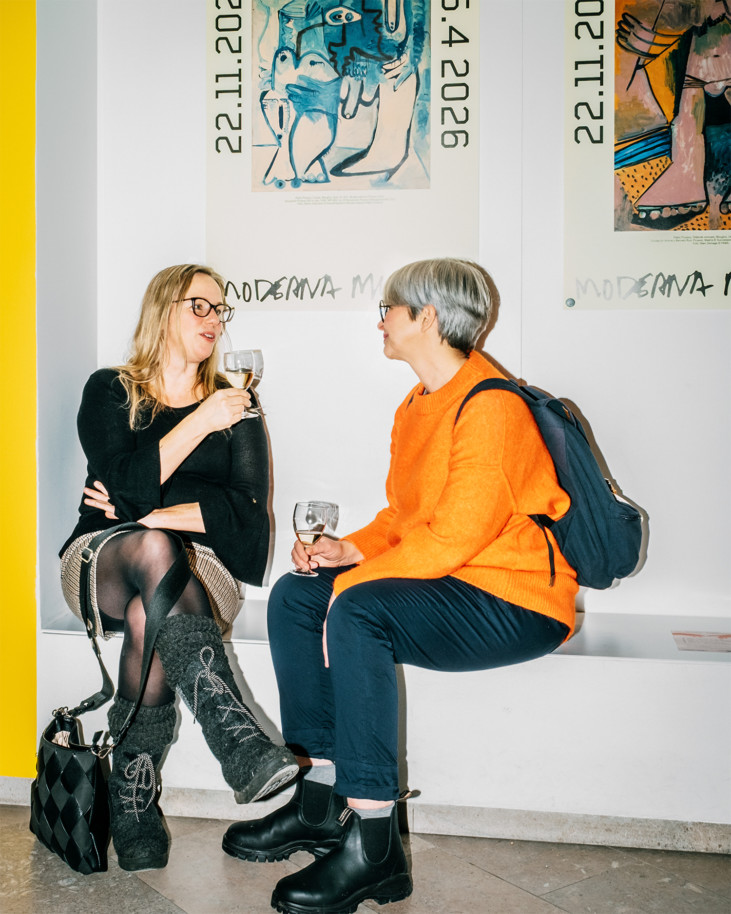
Access
Here you can find information about accessibility at the museum. Disabilities or allergies shouldn’t stop you from visiting. We strive to be an …
Access
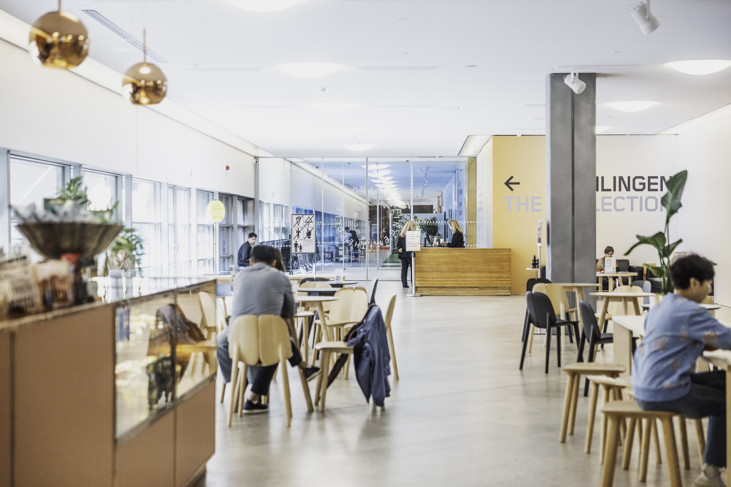
Published 20 May 2015 · Updated 12 May 2026
Related material
Plan your visit
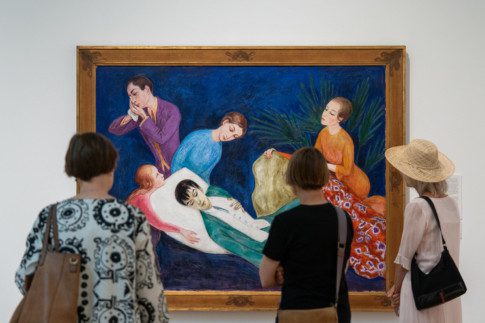
Plan your visit
Some tips and details that may be helpful when you plan your visit. …Food & drink
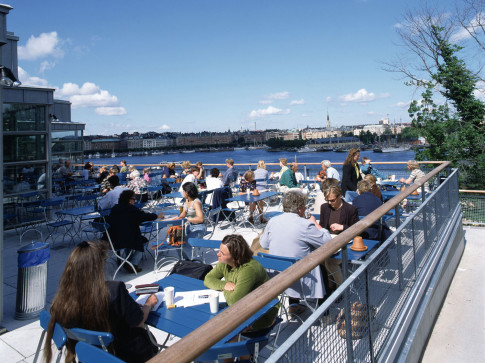
Food & drink
Enjoy great food and drink with Stockholm’s best view at Moderna Museet. Whether you’re craving a hearty lunch, a refreshing juice, or a …Book guided tours
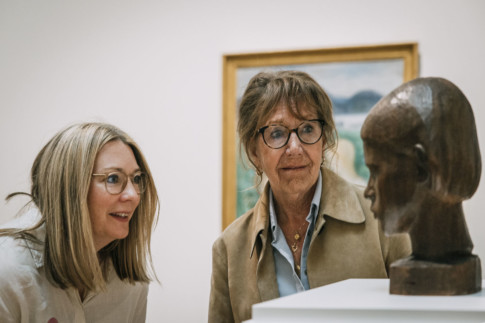
Book a guided tour
Do you have a company, school class, association, parent group, or a group of friends interested in art? Book a guided tour with an inspiring art …Family
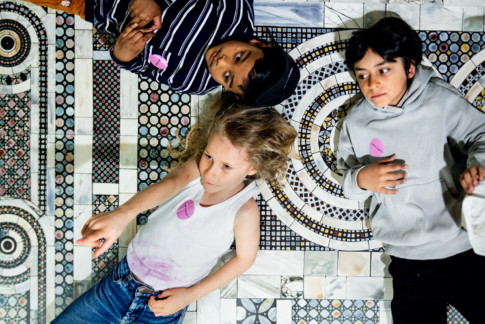
Family Programs
Bring the family to Moderna Museet in Stockholm! Join a guided family tour and get creative in the drop-in Workshop, enjoy the kids’ reading corner, …School
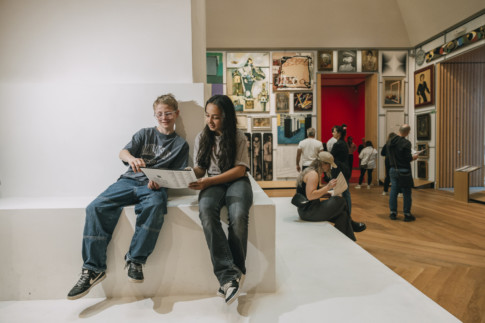
School
We welcome school classes to visit Moderna Museet! We have inspiring guided tours and workshop session for all ages. Book a tour or discover the …Calendar