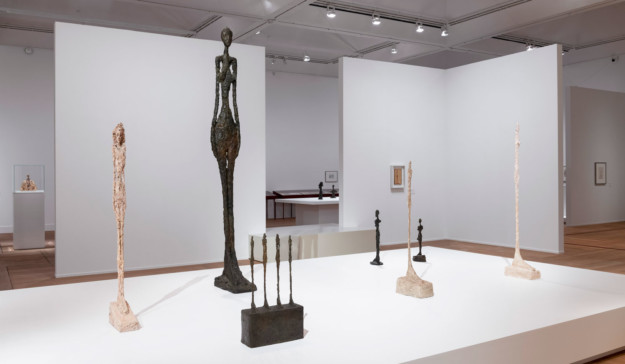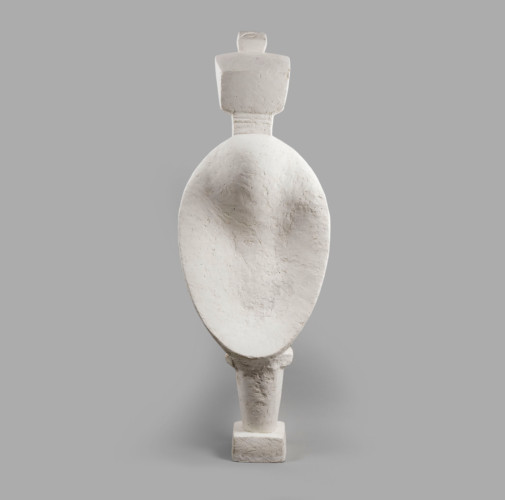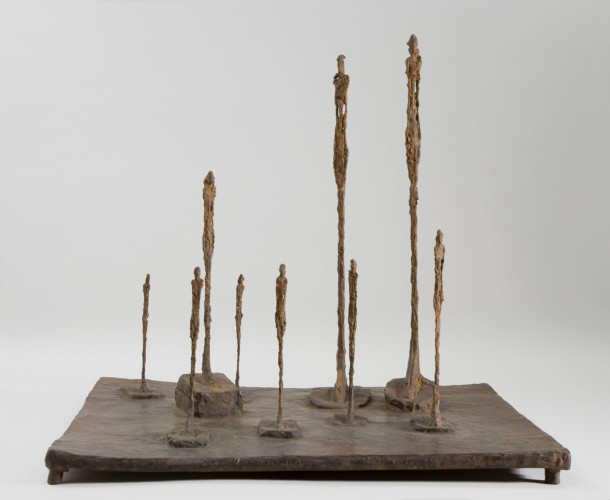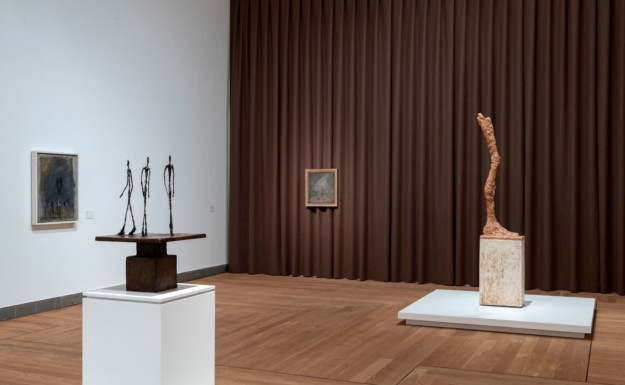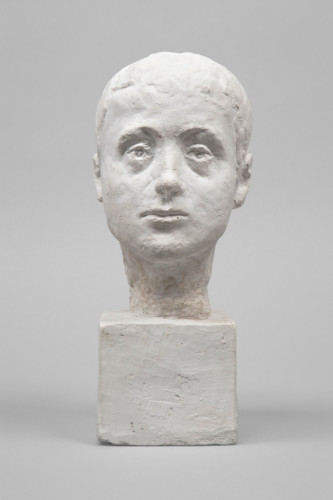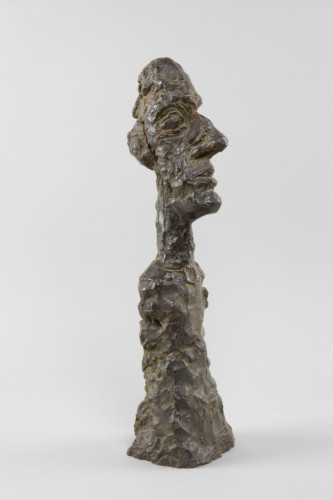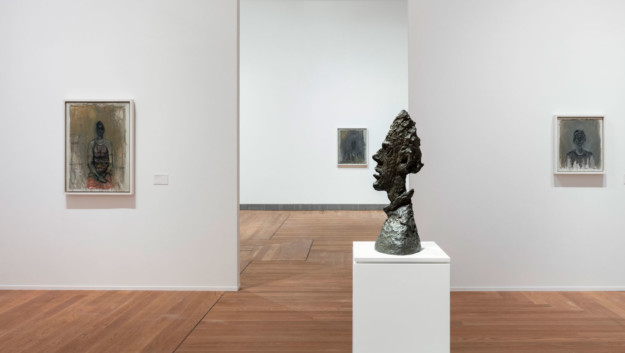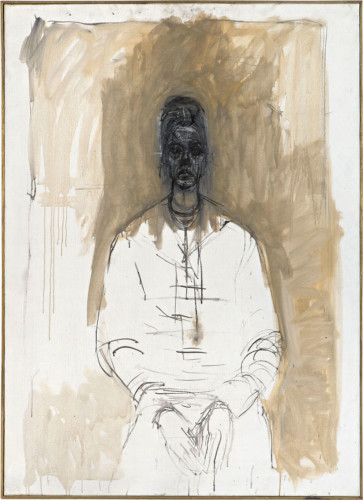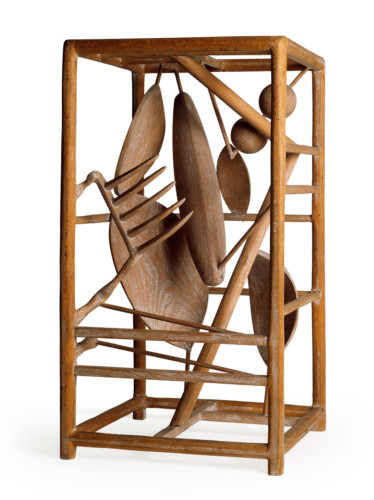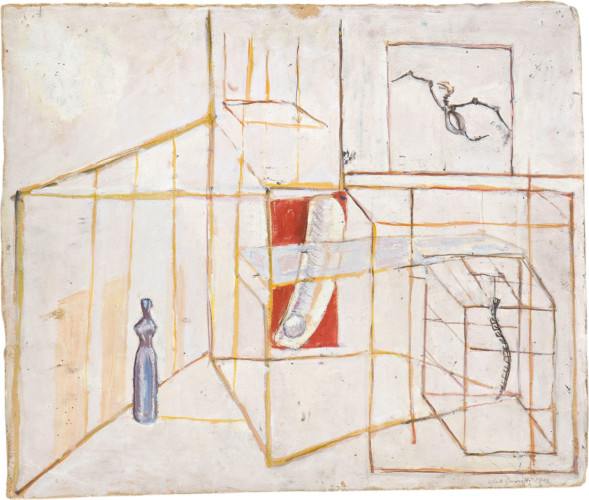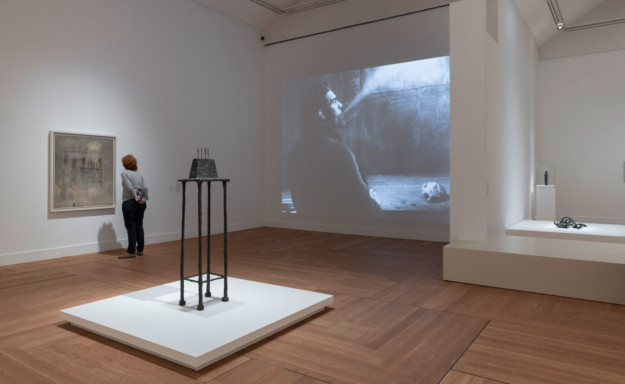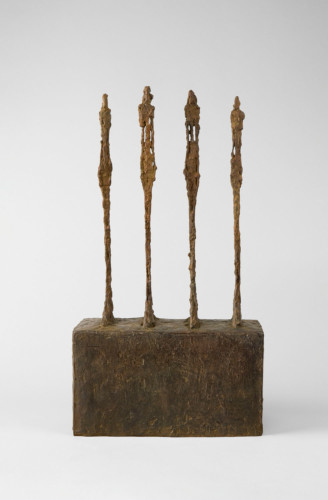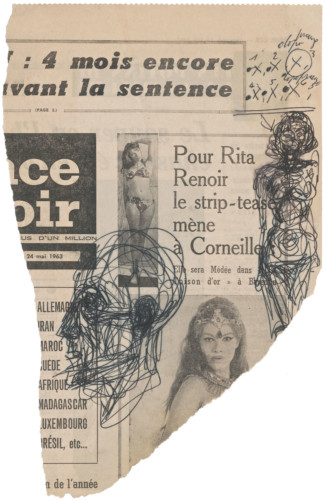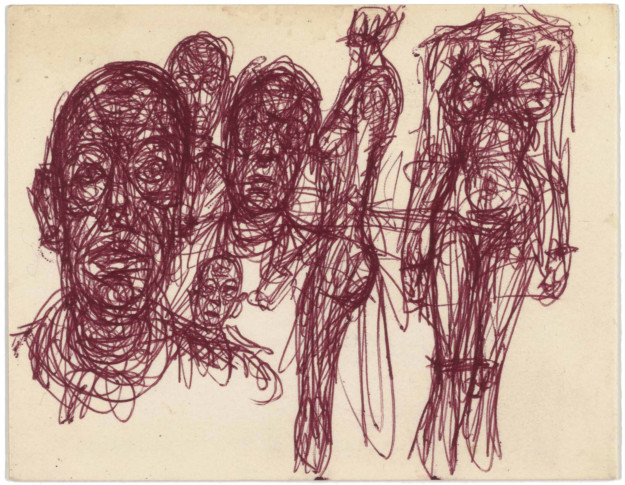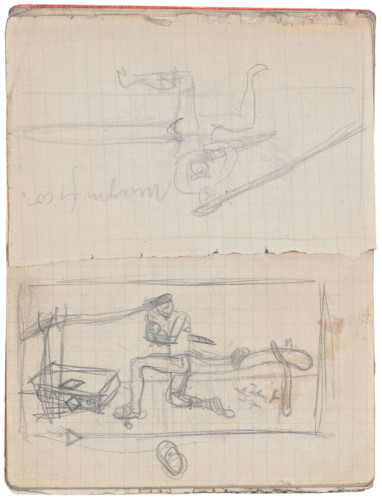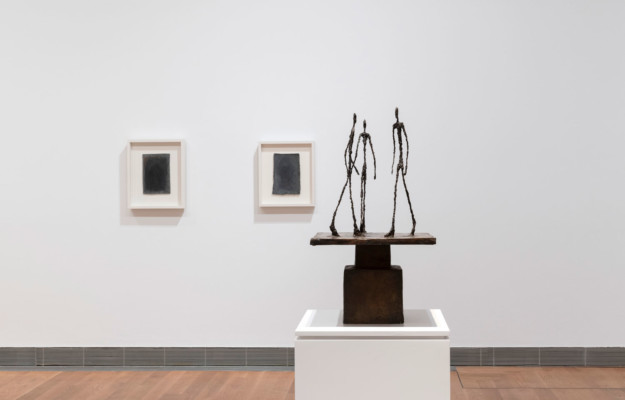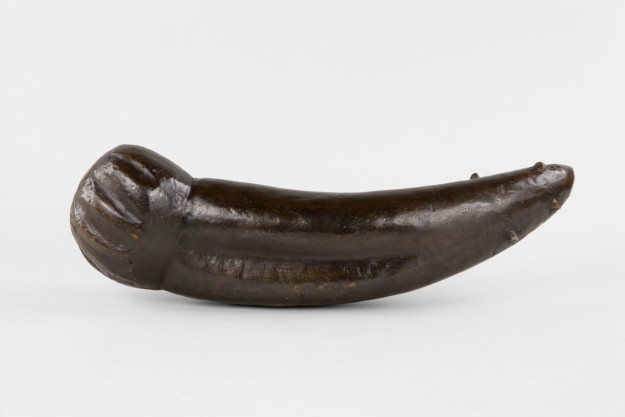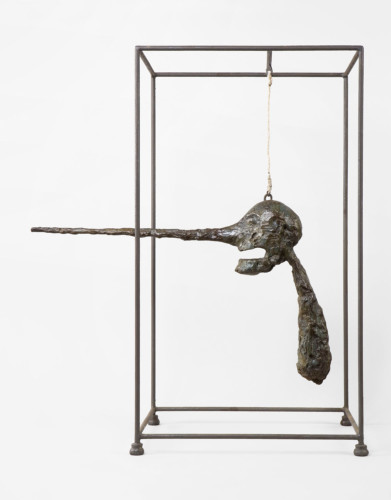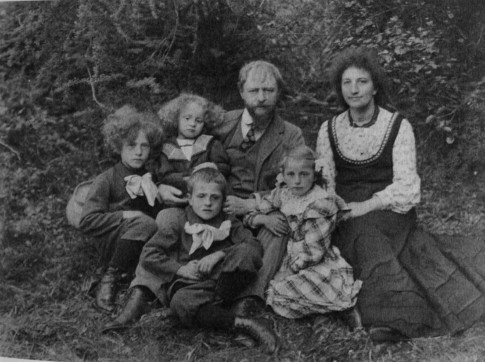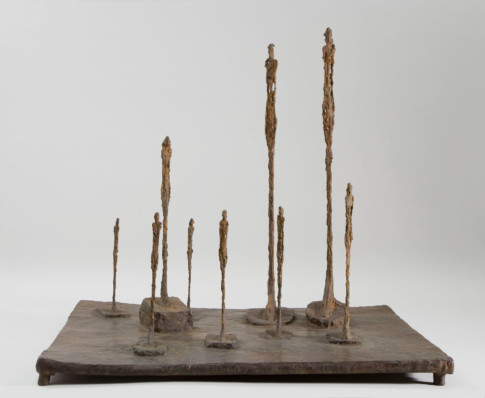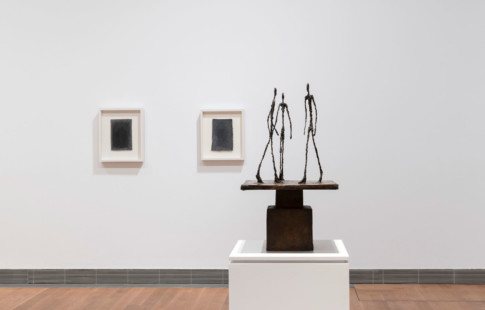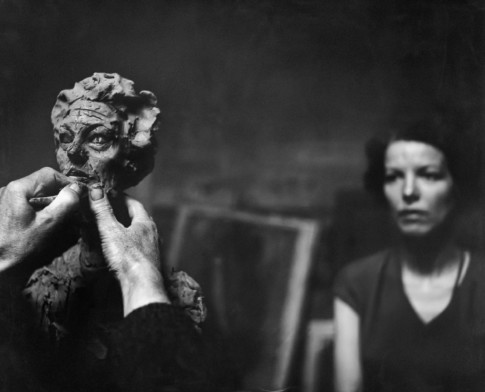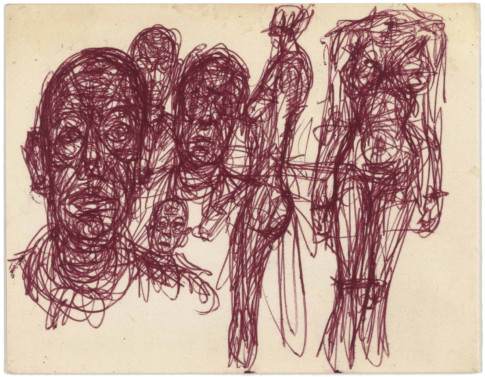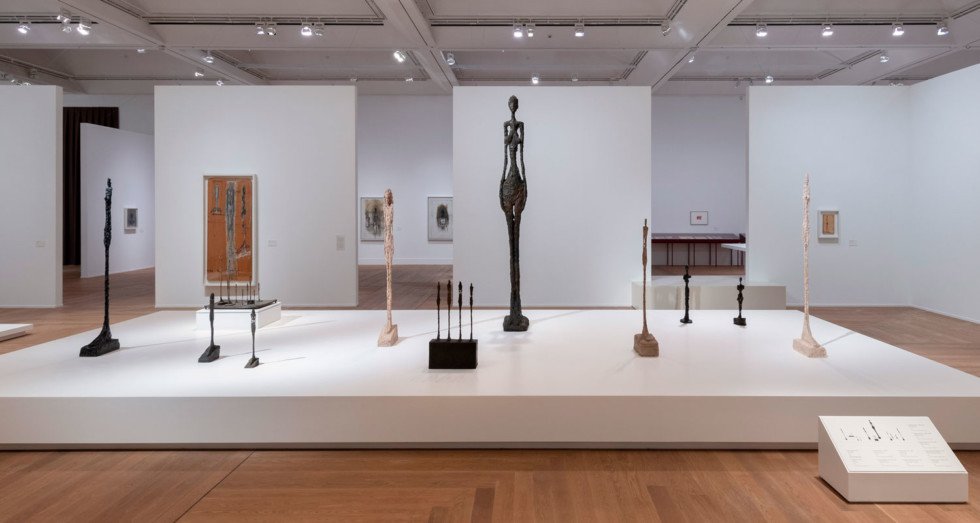
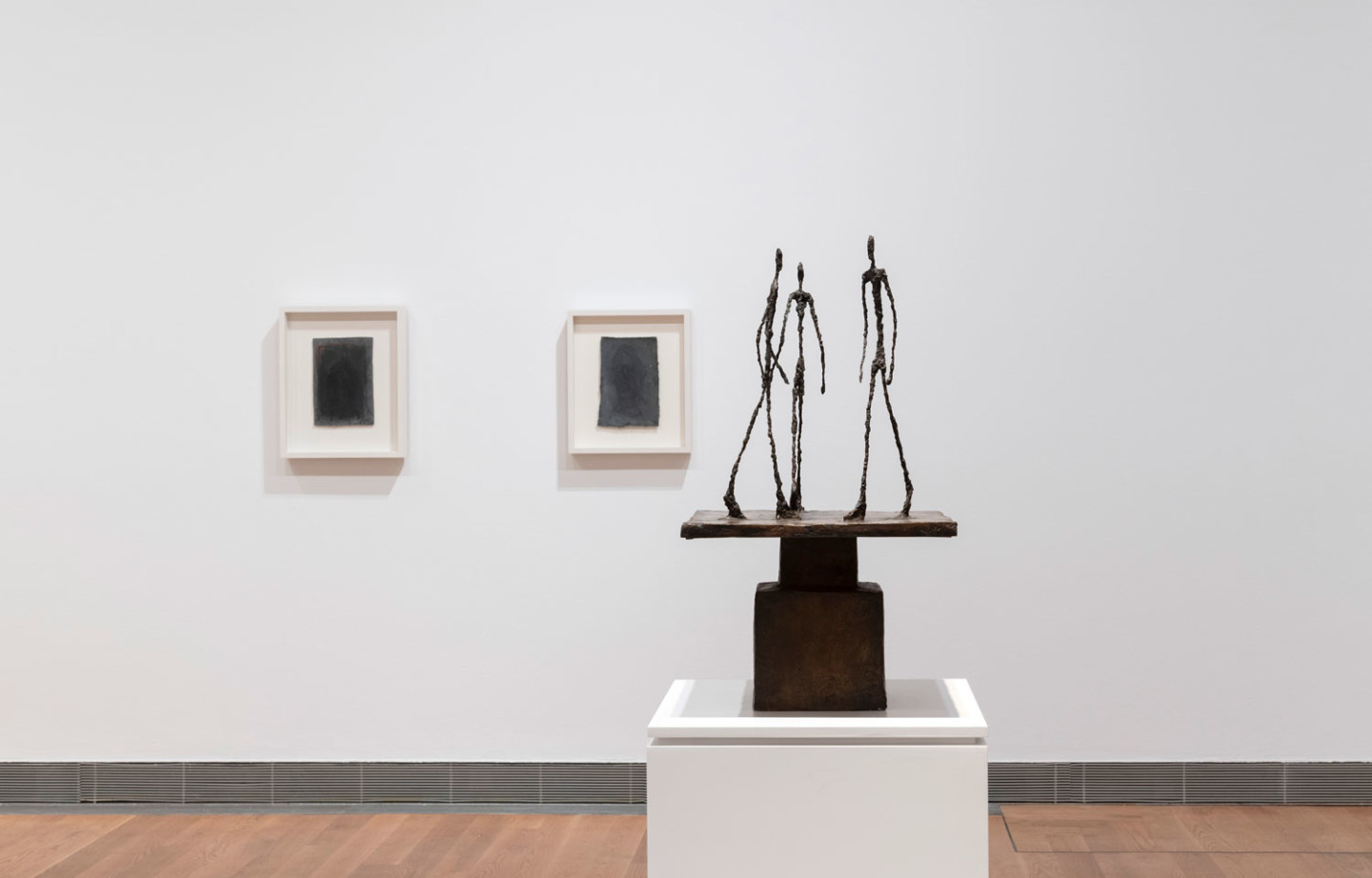
Installation view ”Giacometti – Face to Face”, Moderna Museet, 2020. Photo: Åsa Lundén / Moderna Museet © Estate of Alberto Giacometti / Bildupphovsrätt 2021
Giacometti
Face to Face
10.10 2020 – 30.5 2021
Stockholm
Guided video tour
Join Nina Blom, art educator, on a tour of the exhibition. We will study works from when Alberto Giacometti was 13 and made his first portrait of his brother Diego, to his late paintings and sculptures, and, of course, the iconic tall bronze figures.
Video introduction
Follow curator Jo Widoff on a walk through the exhibition ”Giacometti – Face to Face”. We will also meet curator Christian Alandete at Fondation Giacometti in Paris where he presents Giacometti’s library and reconstructed studio.
The Dialogue with Georges Bataille, Jean Genet and Samuel Beckett
At the age of twenty-one Alberto Giacometti (1901–1966) arrived in Paris to study sculpture at the Académie de la Grande Chaumière. He participated in the intellectual life of the city, which before the Second World War was a hub for artists and intellectuals from all over the world. The close dialogue with the three writers Georges Bataille, Jean Genet and Samuel Beckett had a particularly strong impact on Giacometti. This exhibition sets out to trace the marks that Giacometti’s encounter with Beckett’s irrational, closed-off worlds, Bataille’s violent opposition to staid conventions and Genet’s reverential depictions of life in the margins of society, left on the artist’s work.
Surrealism and Prehistoric Art
Throughout his artistic career, Giacometti was preoccupied with his own inadequacy when it came to depicting reality. In the 1930s he exhibited his work with the Surrealists but soon went his own way. Instead of looking to abstract art, which dominated Paris at the time, Giacometti cast his gaze further back in time – to prehistoric art and non-Western art objects.
The Tall Figures of the Postwar Period
From relatively early on, Giacometti was counted among the major interpreters of the post-war era and today his fragile and strangely elongated figures are associated with the image of a resilient humanity. When working with a model he tried time and again to find a “likeness” between art and what he saw before him, restlessly seeking a new language for sculpture as a “double of reality”. By feeling his way forward with his hands in clay and plaster, he came to change our view of sculpture.
”Giacometti – Face to Face” is the first large-scale retrospective of Alberto Giacometti’s work in Sweden in over twenty years. The exhibition was produced in close collaboration with Fondation Giacometti, Paris.
Curated by Jo Widoff, Moderna Museet, and Christian Alandete, Fondation Giacometti
The exhibition is organized in close collaboration with the Fondation Giacometti, Paris.

The exhibition is supported by



Our warm thanks The Giacometti Exhibition Circle and the donors:
Pontus Bonnier
Åke Bonnier
Kristina Gustafsson Bonnier
Lena and Per Josefsson
Veronica and Lars Bane
Christel and Peter Engelbert
Nicolai Tangen
Catarina Fritz
Svante and Sophie Påhlson-Möller
Peggy and Keith T. Anderson
Claes and Anna Bergmark
Johan Edfelt and Fredrika Pontén
Richard and Gunilla Kahm
Alf and Bibbi Sollevi
Fredrik and Helen Stenmo
Kerstin Lind Bonnier